World Heritage Sites: History, Importance, Examples, and Benefits of Preservation
World Heritage Sites are more than just landmarks or tourist attractions. They represent humanity’s shared legacy, embodying cultural traditions, architectural achievements, and natural wonders that transcend national boundaries. Recognized and protected under UNESCO, these sites are preserved for their outstanding value to humanity. In this article, we will explore their history, importance, real-world examples, and the practical benefits of their preservation.
What Are World Heritage Sites?
The United Nations Educational, Scientific and Cultural Organization (UNESCO) recognizes World Heritage Sites for their cultural, natural, or mixed significance. UNESCO considers these sites to be of “Outstanding Universal Value,” meaning they hold importance not just for a single nation, but for all humanity.
The designation serves two critical purposes: safeguarding heritage for future generations and raising global awareness about the importance of cultural and environmental conservation. Sites may range from ancient ruins and historical cities to unique ecosystems and natural landscapes.
Why World Heritage Sites Matter
Preserving World Heritage Sites goes beyond protecting old buildings or natural wonders. These sites connect us to our roots, telling stories of civilizations, art, and evolution. For many communities, they serve as symbols of identity and pride.
Economically, these sites play a vital role in tourism, creating jobs and supporting local economies. From a cultural perspective, they help foster dialogue between nations, reminding us of our shared responsibility in maintaining global heritage.
Real-World Examples of World Heritage Sites
Below are some iconic examples that showcase the diversity and richness of World Heritage Sites around the globe.
Great Wall of China
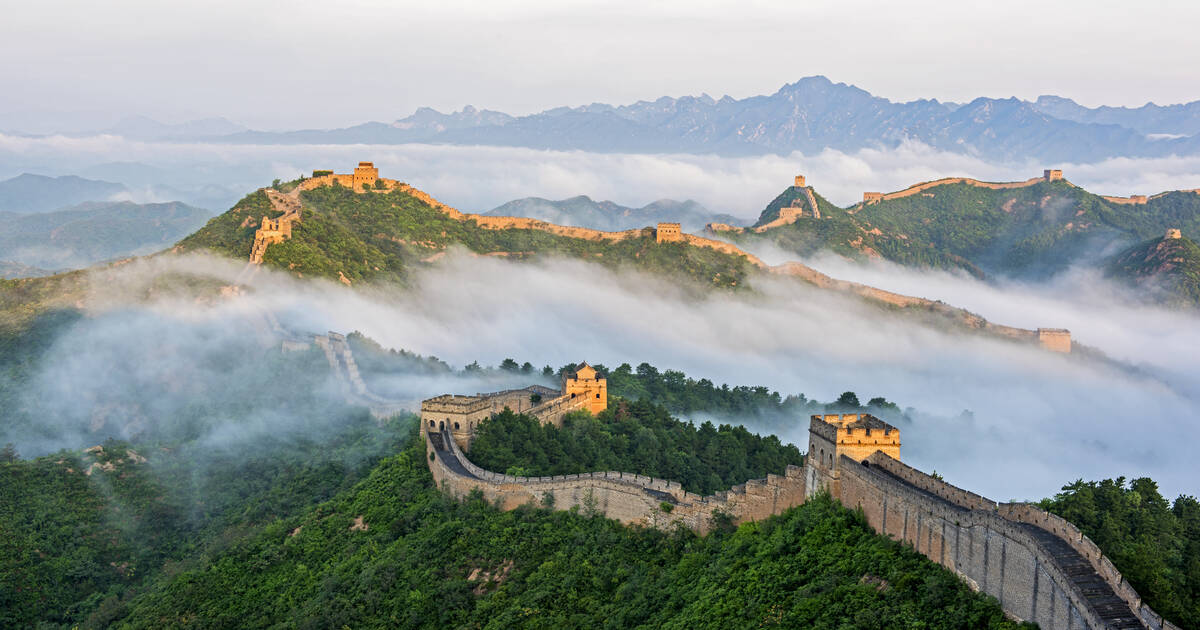
The Great Wall of China is one of the most recognizable structures on Earth. Spanning thousands of kilometers, it was originally built to protect Chinese states and empires from invasions. Beyond its defensive role, the Great Wall stands as a symbol of China’s ingenuity and perseverance.
As a World Heritage Site, the wall highlights not just military architecture but also the determination of a civilization to protect its culture. Millions of visitors walk along its ancient pathways each year, experiencing both its grandeur and historical significance.
Machu Picchu, Peru
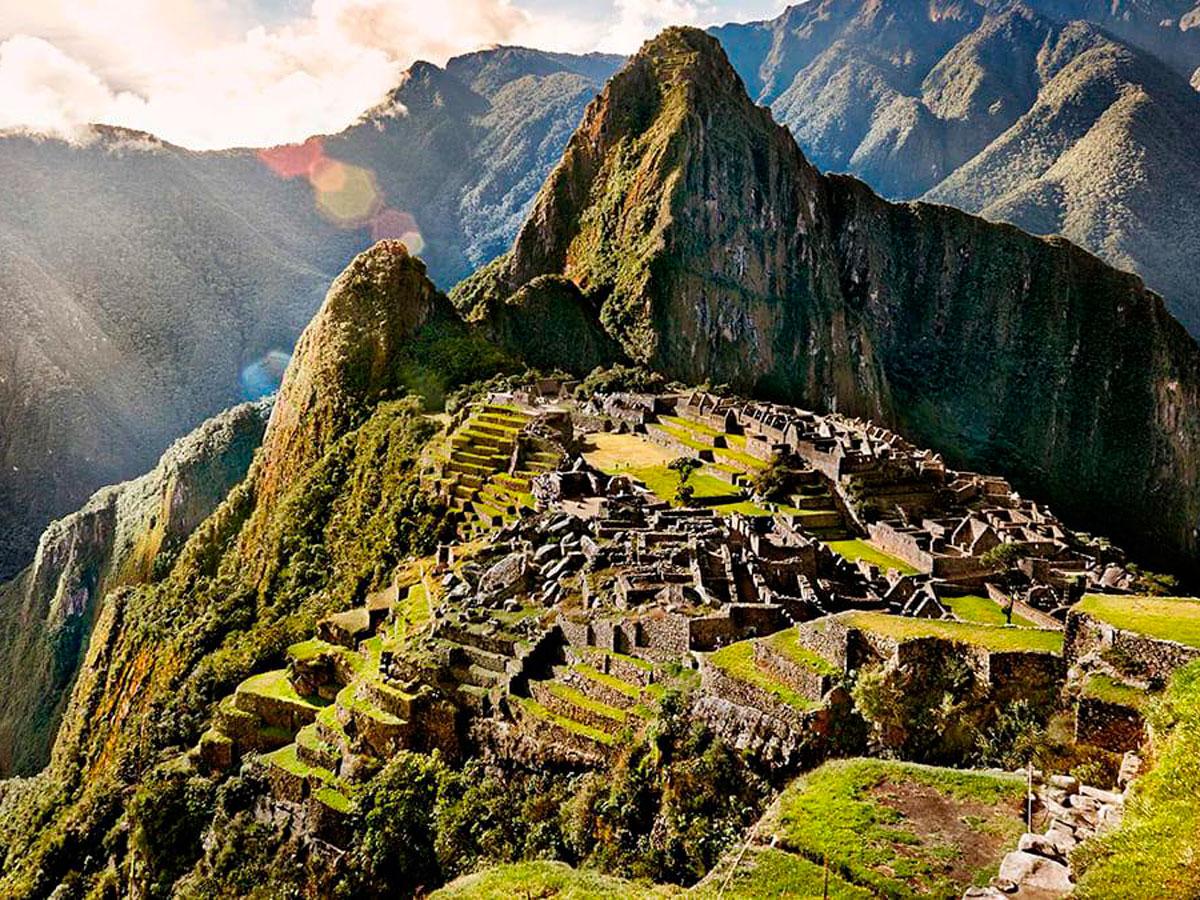
Machu Picchu, the “Lost City of the Incas,” rests high in the Andes Mountains of Peru. This breathtaking archaeological site was rediscovered in 1911 and has since become one of the most visited cultural landmarks in the world.
Its unique blend of natural beauty and human engineering showcases the brilliance of the Incan civilization. The terraces, temples, and stone constructions demonstrate advanced knowledge of agriculture and architecture. Designated as a World Heritage Site, Machu Picchu serves as a vital reminder of indigenous achievements.
Serengeti National Park, Tanzania

The Serengeti is one of the most extraordinary natural World Heritage Sites. It is famous for its annual migration of wildebeest, zebras, and gazelles, one of the most dramatic wildlife spectacles on Earth.
This site highlights the importance of biodiversity conservation. It not only protects species but also sustains ecosystems that balance global environmental health. Tourists, scientists, and conservationists alike are drawn to the Serengeti, making it both a natural wonder and a hub of ecological study.
Pyramids of Giza, Egypt
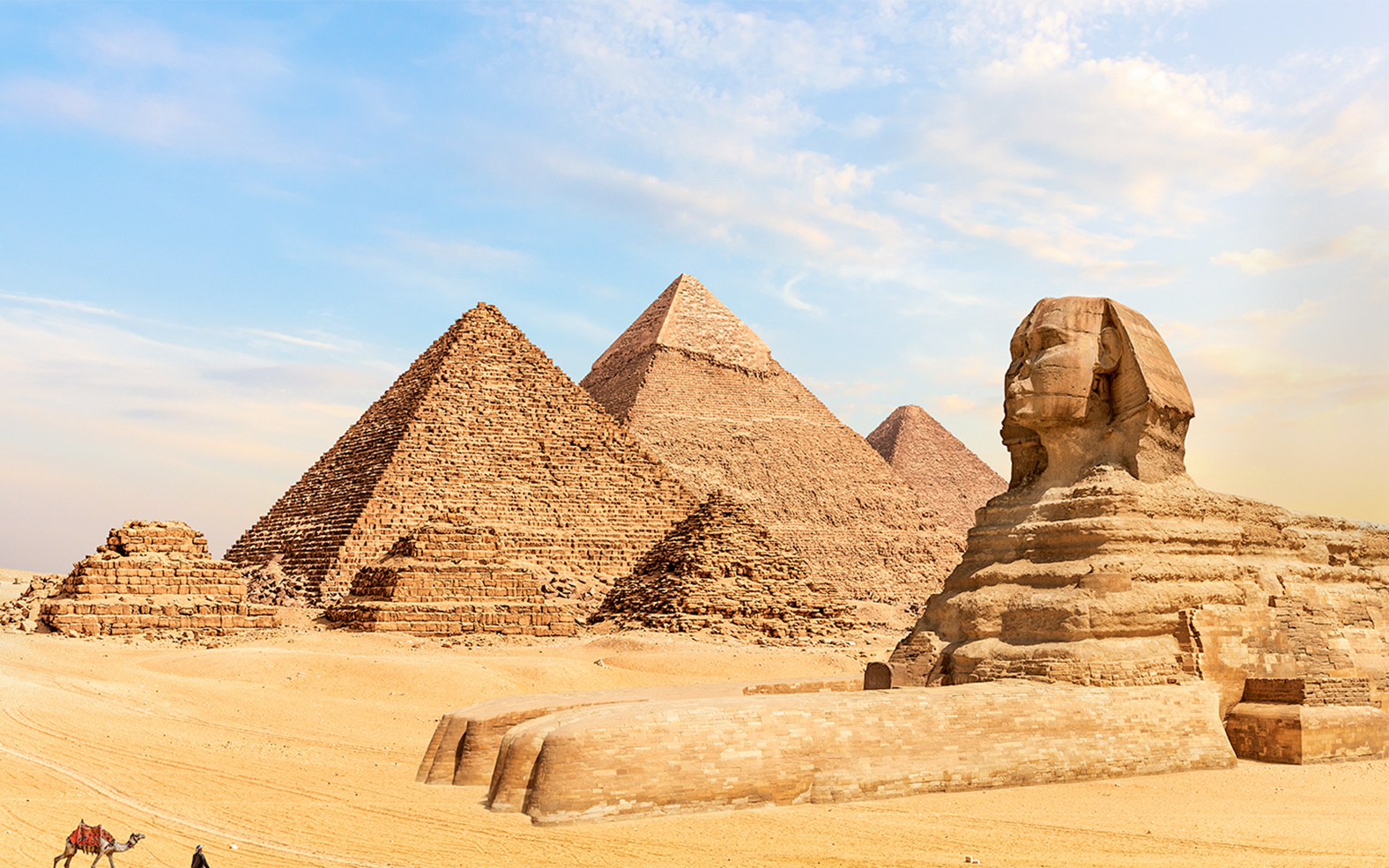
The Pyramids of Giza are enduring symbols of ancient Egypt’s architectural mastery. These monumental tombs were constructed over 4,500 years ago and continue to captivate archaeologists and visitors worldwide.
Recognized as a World Heritage Site, they remind humanity of the achievements of ancient civilizations. Their preservation ensures that future generations can study and marvel at one of history’s greatest engineering feats.
Galápagos Islands, Ecuador

The Galápagos Islands are a natural World Heritage Site with extraordinary biodiversity. They played a central role in Charles Darwin’s theory of evolution, providing invaluable insights into natural selection.
Today, the islands remain critical for scientific research and environmental conservation. They serve as a reminder of the delicate balance between human activity and ecological preservation, demonstrating the need to protect rare species and habitats.
Benefits of Preserving World Heritage Sites
Preserving World Heritage Sites offers numerous benefits that go far beyond cultural pride or tourism.
Cultural Identity and Continuity
World Heritage Sites safeguard cultural traditions and history. They provide communities with a sense of belonging, strengthening collective memory. By protecting these places, societies ensure that future generations understand their roots.
Educational Opportunities
Heritage sites are living classrooms. Students, researchers, and historians gain firsthand knowledge about past civilizations, architectural advancements, and ecosystems. This kind of experiential learning is irreplaceable compared to textbooks.
Tourism and Economic Growth
Tourism driven by World Heritage Sites generates significant income for countries. Local businesses thrive due to increased demand for services such as accommodations, food, and guided tours. This sustainable form of economic growth often uplifts entire communities.
Environmental and Biodiversity Protection
For natural World Heritage Sites, preservation ensures that ecosystems remain intact. These areas become protected spaces for rare species, contributing to biodiversity conservation and climate resilience.
Use Cases: How World Heritage Sites Solve Real Problems
World Heritage Sites are not only symbolic; they provide practical solutions to global challenges.
- Climate Change Awareness: Natural sites like the Great Barrier Reef raise awareness about the effects of global warming and coral bleaching. They serve as real-world examples of environmental issues needing urgent attention.
- Conflict Resolution: Shared heritage sites promote cultural understanding. For instance, historic cities like Jerusalem foster dialogue between communities of different faiths and traditions.
- Scientific Research: Sites such as the Galápagos Islands support groundbreaking research on ecosystems, evolution, and conservation practices. This helps governments and organizations make informed environmental policies.
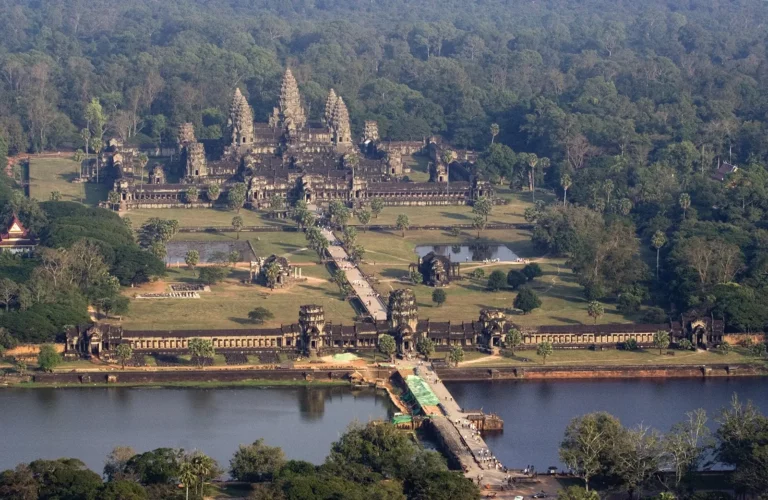
- Community Development: Local communities around sites like Angkor Wat in Cambodia benefit from jobs in conservation, tourism, and education, improving living standards.
Frequently Asked Questions
1. How does UNESCO choose World Heritage Sites?
UNESCO evaluates sites based on criteria of outstanding universal value, authenticity, integrity, and importance to cultural or natural heritage. A site must meet at least one of the ten criteria to be listed.
2. What threats do World Heritage Sites face today?
These sites face threats from climate change, urban development, mass tourism, pollution, and armed conflict. Preservation efforts are ongoing to mitigate these risks.
3. Can a site lose its World Heritage status?
Yes, if a site no longer meets UNESCO’s criteria due to neglect, destruction, or irreversible change, it can be removed from the World Heritage List. An example is the Dresden Elbe Valley in Germany, which lost its status due to bridge construction.