
Virtual reality tours offer a unique way to experience different places and industries without leaving the comfort of your home. Dive into a world where technology meets exploration, as we uncover the fascinating realm of virtual reality tours.
As we delve deeper into the benefits, applications, and future trends of virtual reality tours, you'll discover a new dimension of immersive experiences awaiting you.
Benefits of Virtual Reality Tours
Virtual reality tours offer a range of benefits that can significantly enhance user experience, improve cost-effectiveness, and reach a wider audience.
Enhanced User Experience
Virtual reality tours provide users with an immersive experience that allows them to feel like they are physically present in a different location. By putting on a VR headset, users can explore various environments and interact with objects in a way that goes beyond traditional 2D images or videos.
This level of immersion enhances engagement and makes the experience more memorable for users.
Cost-Effectiveness
Compared to physical tours that involve travel expenses, accommodation costs, and other logistical arrangements, virtual reality tours offer a cost-effective alternative. With virtual reality, users can visit different places from the comfort of their own homes, eliminating the need for travel and reducing overall expenses.
This makes virtual reality tours a more economical option for both users and businesses.
Wider Audience Reach
Virtual reality tours have the potential to reach a much wider audience compared to physical tours. By leveraging online platforms and social media, virtual reality tours can be easily shared and accessed by users from all around the world. This accessibility allows businesses to showcase their products, services, or destinations to a global audience, increasing visibility and attracting more potential customers.
Applications of Virtual Reality Tours
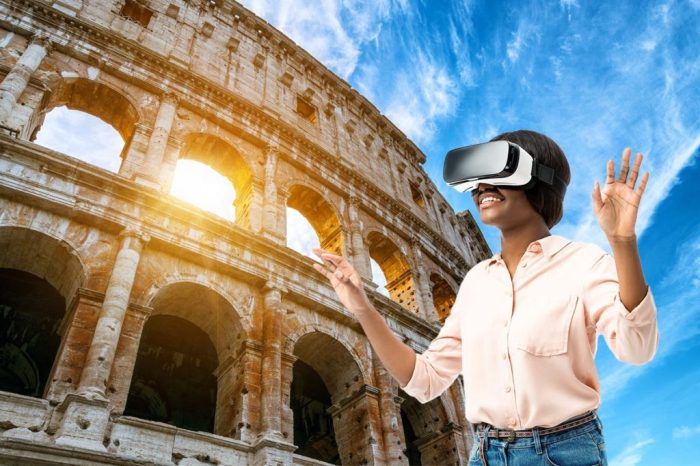
Virtual reality tours have found various applications across different industries, revolutionizing the way businesses engage with their customers and employees. Let's explore some examples of how virtual reality tours are being effectively utilized in various sectors.
Real Estate Industry Transformation
Virtual reality tours have completely transformed the real estate industry by offering immersive experiences to potential buyers. With virtual reality, prospective clients can take virtual tours of properties from the comfort of their own homes, saving time and resources for both buyers and agents.
This technology allows users to visualize spaces in a realistic manner, helping them make informed decisions without the need for physical visits.
Education and Training
In the field of education and training, virtual reality tours are being used to enhance learning experiences. Students can explore historical sites, museums, or even outer space through virtual reality simulations, providing a more interactive and engaging way of learning.
Additionally, virtual reality is being utilized for training purposes in various industries such as healthcare, aviation, and manufacturing. Trainees can practice real-life scenarios in a safe and controlled environment, improving their skills and confidence before facing actual situations.
Creating Engaging Virtual Reality Tours
When designing a virtual reality tour, there are key elements to consider to ensure it is engaging and immersive for the users. It is essential to create an interactive experience that captivates the audience and provides a memorable journey. One important aspect of virtual reality tours is the storytelling element, which can greatly enhance the overall experience for the users.
Key Elements to Consider
- Interactive Features: Incorporate interactive elements such as clickable hotspots, quizzes, or puzzles to engage users and make the tour more dynamic.
- High-Quality Visuals: Use high-resolution images and videos to create a realistic and visually appealing environment for users to explore.
- User-Friendly Navigation: Ensure that the tour is easy to navigate with clear instructions and intuitive controls to enhance the user experience.
- Immersive Audio: Utilize spatial audio and sound effects to create a more immersive and realistic environment for users to feel fully engaged.
Tips for Interactivity and Immersion
- Provide Choices: Allow users to make decisions that impact their journey through the virtual space, giving them a sense of control and involvement.
- Feedback Mechanisms: Offer feedback through visual or auditory cues to guide users and keep them engaged throughout the tour.
- Gamification Elements: Incorporate elements of gamification such as rewards, leaderboards, or challenges to make the experience more interactive and enjoyable.
Importance of Storytelling
Storytelling plays a crucial role in creating a compelling virtual reality tour. By weaving a narrative throughout the experience, users can feel more connected to the environment and characters within the virtual space. A well-crafted story can evoke emotions, create suspense, and leave a lasting impression on the users, making the tour more memorable and engaging.
Future Trends in Virtual Reality Tours
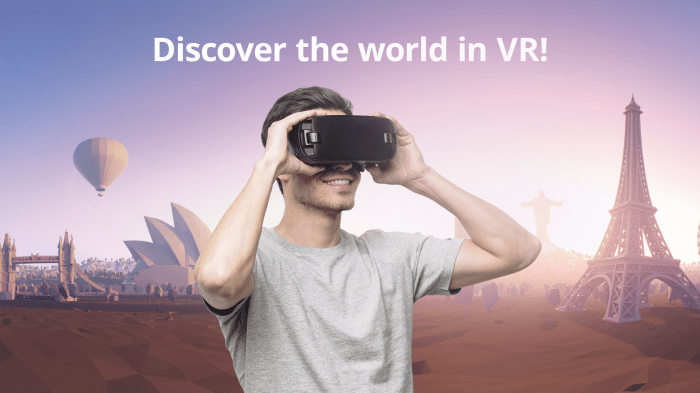
The future of virtual reality tours is an exciting landscape shaped by emerging technologies and innovative advancements. Let's explore the key trends that are set to revolutionize the way we experience virtual tours.
Emerging Technologies Shaping Virtual Reality Tours
Virtual reality tours are constantly evolving, thanks to cutting-edge technologies like 5G connectivity, artificial intelligence, and spatial computing. These technologies are enabling more immersive and interactive experiences for users. With 5G, users can enjoy ultra-fast internet speeds, reducing latency and enhancing the overall virtual tour experience.
Artificial intelligence is being used to personalize tours based on user preferences, creating unique and engaging experiences. Spatial computing, on the other hand, is revolutionizing the way we interact with virtual environments by blending the physical and digital worlds seamlessly.
Impact of Augmented Reality on Virtual Reality Tours
Augmented reality (AR) is set to have a significant impact on virtual reality tours by merging digital elements with the real world. AR overlays digital information onto the physical environment, enhancing the user's perception of reality. In the context of virtual tours, AR can provide real-time information about the surroundings, historical facts, or interactive elements that enrich the user experience.
By combining AR with VR, tours can become even more immersive and engaging, blurring the lines between the virtual and physical worlds.
Evolution of Virtual Reality Tours in the Coming Years
Looking ahead, virtual reality tours are expected to become more accessible and widespread, reaching a larger audience across various industries. As technology continues to advance, we can anticipate more realistic and interactive virtual tours that offer a truly immersive experience.
From virtual museum tours to virtual real estate walkthroughs, the possibilities are endless. With the integration of AI, AR, and other emerging technologies, virtual reality tours are poised to redefine how we explore and interact with digital spaces in the future.
Final Review
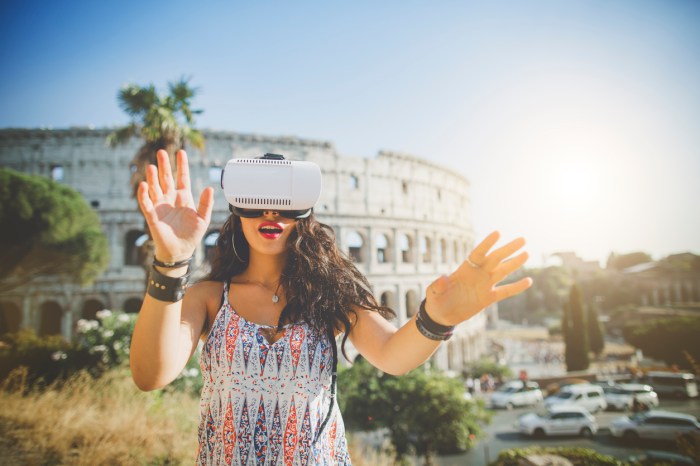
Embark on a journey like no other with virtual reality tours, where boundaries fade away, and possibilities are endless. Whether you're exploring far-off destinations or stepping into the future of technology, virtual reality tours open doors to a world of endless exploration and discovery.
Key Questions Answered
How can virtual reality tours enhance user experience?
Virtual reality tours provide a more immersive and interactive way for users to explore different environments, making the experience more engaging and memorable.
What industries are effectively utilizing virtual reality tours?
Industries such as real estate, tourism, education, and entertainment are leveraging virtual reality tours to showcase their offerings in a more engaging and innovative manner.
What are key elements to consider when designing a virtual reality tour?
Important elements include high-quality visuals, user-friendly navigation, interactive features, and compelling storytelling to create a captivating virtual experience.