UNESCO Tours: Explore World Heritage Sites with Expert Travel Insights
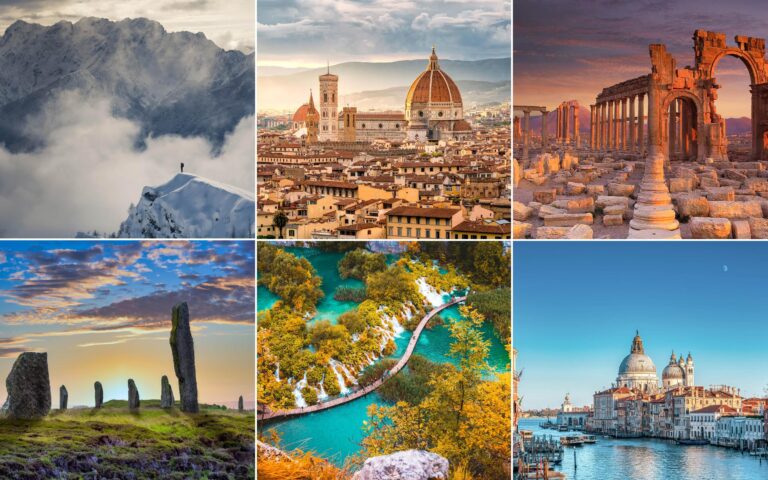
Traveling is more than just moving from one place to another. For many, it’s a journey into history, culture, and the natural wonders that shaped civilizations. UNESCO tours allow travelers to explore destinations recognized globally for their outstanding cultural or natural significance. These tours are carefully designed to highlight heritage sites while preserving their authenticity for future generations.
What Are UNESCO Tours?
UNESCO tours refer to guided or curated travel experiences that take visitors to UNESCO World Heritage Sites. These sites are chosen by the United Nations Educational, Scientific, and Cultural Organization (UNESCO) because of their cultural, historical, or natural importance. Whether it’s ancient ruins, sacred temples, or breathtaking landscapes, UNESCO tours give travelers the opportunity to understand global heritage on a deeper level.
Unlike standard tourism, UNESCO tours focus on education, preservation, and cultural exchange. Travelers learn about the history of each site, the challenges of maintaining it, and why it was designated as a World Heritage Site. This approach creates meaningful experiences that go beyond sightseeing.
Why UNESCO Tours Matter
UNESCO tours are not just about travel, they’re about connecting with humanity’s shared heritage. By visiting these sites, travelers play a role in supporting conservation and local communities. For example, revenue from tourism often goes back into preserving fragile monuments or supporting cultural traditions.
These tours also raise awareness about the importance of protecting world treasures. Visiting UNESCO sites helps travelers understand their universal value, making them advocates for global cultural and environmental preservation.
Benefits of UNESCO Tours
Preserving Global Heritage
One of the biggest advantages of UNESCO tours is their role in preserving cultural and natural sites. Tour fees often contribute directly to conservation programs, ensuring that future generations can continue to enjoy and learn from these treasures.
Deep Cultural Immersion
Unlike ordinary trips, UNESCO tours provide travelers with in-depth cultural knowledge. Guides explain traditions, rituals, and historical events, enriching the travel experience. This allows travelers to form genuine connections with local communities and gain insights into their way of life.
Educational Travel Experience
Travelers not only see famous landmarks but also understand their meaning. For example, visiting the Great Wall of China isn’t just about admiring architecture; it’s about learning how it protected dynasties and influenced global trade.
Sustainable Tourism
Many UNESCO tours prioritize eco-friendly practices. They limit group sizes, encourage responsible travel habits, and collaborate with local communities to minimize environmental impact. This makes them a sustainable choice for conscious travelers.
Real-World Examples of UNESCO Tours
Machu Picchu, Peru
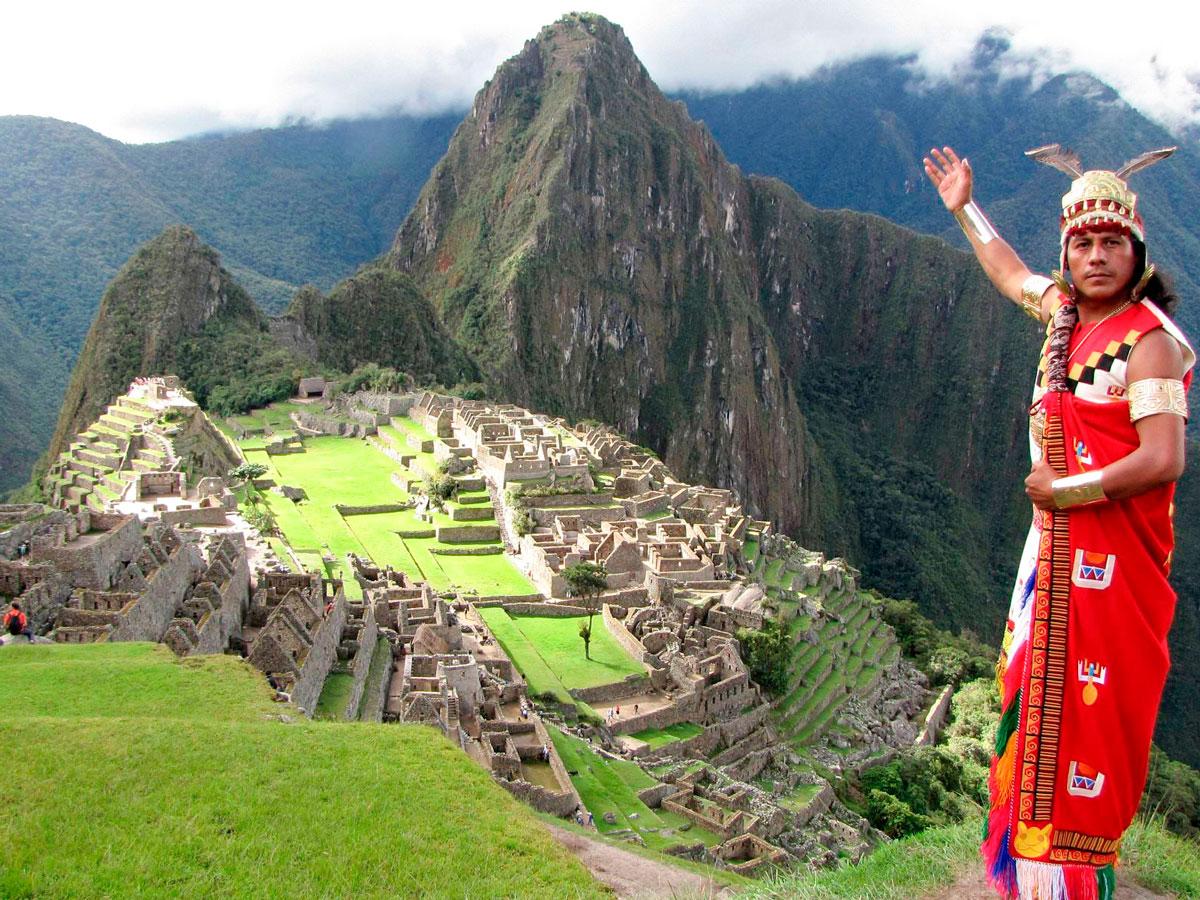
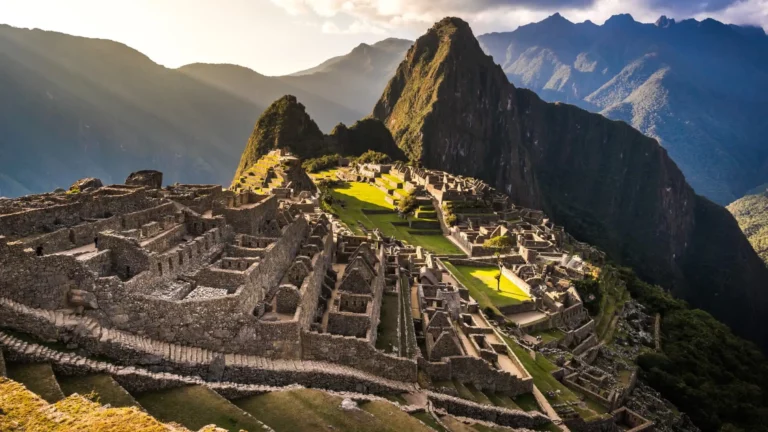
Machu Picchu is one of the most iconic UNESCO sites in the world. Tours to this ancient Incan city involve guided treks through the Andes, with expert explanations about its architectural marvels and religious significance. A UNESCO tour here doesn’t just showcase stone terraces and temples; it also provides insights into how the Incas lived harmoniously with nature.
Travelers learn about agricultural terraces, water systems, and the spiritual beliefs that shaped Machu Picchu’s design. Guided tours emphasize conservation, teaching visitors how to minimize their impact while enjoying the breathtaking landscape.
Angkor Wat, Cambodia

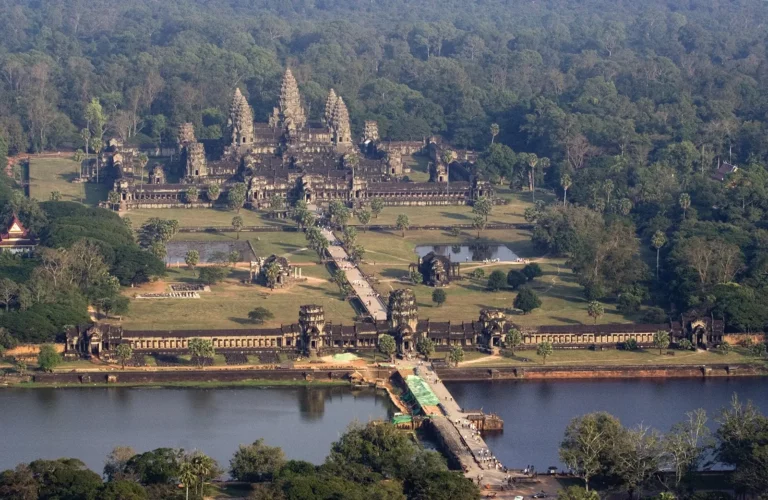
UNESCO tours at Angkor Wat highlight the world’s largest religious monument. While many tourists visit for photos, guided UNESCO tours dive deeper into its cultural meaning. Travelers learn how this temple complex reflects Khmer Empire spirituality, cosmology, and artistry.
Walking through its intricate carvings, visitors discover mythological stories etched into stone. Tours also reveal the ongoing efforts to restore and protect Angkor, which faces threats from over-tourism and environmental factors.
Petra, Jordan
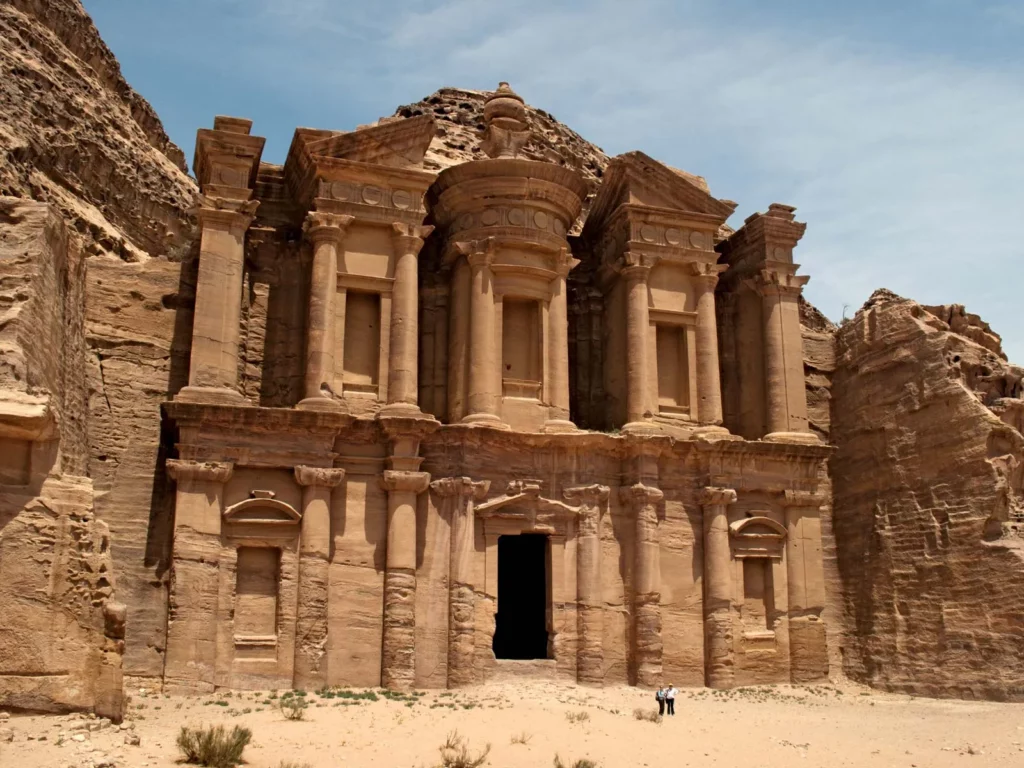
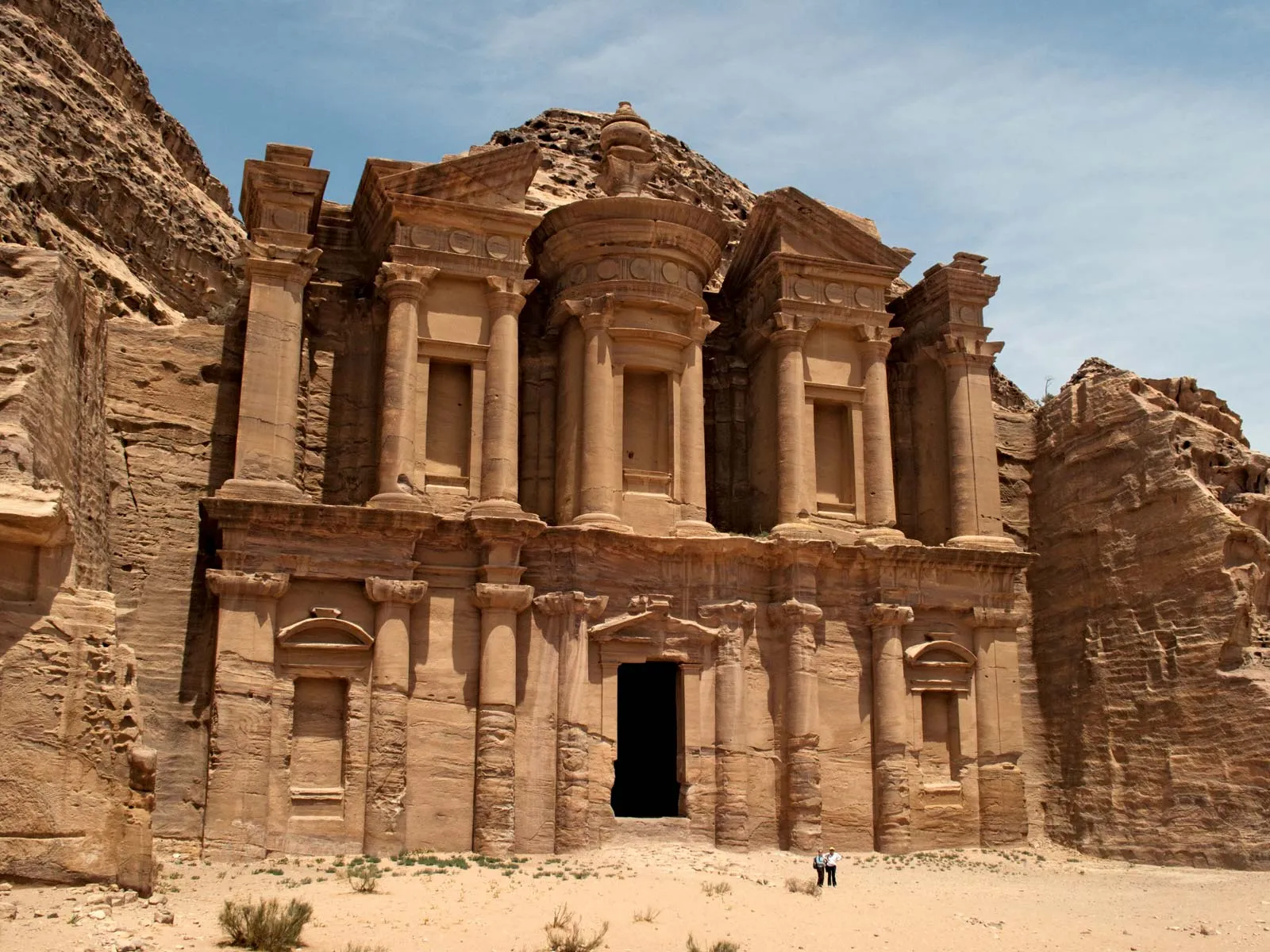
Known as the “Rose City,” Petra is carved into sandstone cliffs and offers a fascinating look into Nabataean civilization. UNESCO tours to Petra typically include walking through the Siq (a narrow gorge) and arriving at the Treasury, one of the most famous structures in the world.
These tours provide historical explanations of Petra’s role as a major trade hub. They also discuss how the city was engineered to manage scarce water resources in a desert environment. Beyond sightseeing, UNESCO tours ensure that travelers understand the fragile state of this heritage site and how they can contribute to its preservation.
Great Wall of China, China

Spanning thousands of miles, the Great Wall is one of humanity’s greatest achievements. UNESCO tours here focus on exploring key sections, such as Badaling or Mutianyu, where preservation efforts are strongest.
Guides explain not only the military purpose of the wall but also its cultural symbolism. These tours highlight how the Wall served as both a defense mechanism and a trade route connector, influencing the course of Chinese and global history.
Galápagos Islands, Ecuador
:max_bytes(150000):strip_icc()/galapagos-islands-ecuador-GALAPA1104-d013219debf14369ab5039a4eafb496e.jpg)
UNESCO tours of the Galápagos emphasize natural heritage. Instead of ancient ruins, travelers witness biodiversity that inspired Charles Darwin’s theory of evolution. Guided tours here are highly regulated to ensure minimal impact on wildlife.
Travelers might snorkel with sea turtles, observe giant tortoises, or hike volcanic landscapes. These tours combine adventure with education, teaching visitors about ecological balance and the importance of preserving fragile ecosystems.
How Technology Enhances UNESCO Tours
Modern technology plays a huge role in improving the UNESCO tour experience. Virtual reality, for instance, allows travelers to preview sites before visiting, creating excitement and awareness. Some tour operators provide mobile apps with augmented reality features that overlay historical reconstructions onto current ruins.
Drones and 3D mapping technologies are also used for preservation, documenting sites in detail to help restoration experts. For travelers, this technology means richer storytelling during tours. Imagine standing at Angkor Wat while using an app to see how the temple looked at its peak centuries ago—technology turns imagination into reality.
Use Cases of UNESCO Tours in Real Life
Supporting Education
UNESCO tours are often integrated into school and university programs. Students visiting sites like Rome’s Colosseum or Greece’s Acropolis gain firsthand exposure to history, complementing their academic studies. This makes education more engaging and memorable.
Boosting Local Economies
When travelers book UNESCO tours, local communities benefit directly. Guides, artisans, and small businesses around these sites often depend on heritage tourism for their livelihood. This creates sustainable economic opportunities while preserving culture.
Encouraging Responsible Travel
UNESCO tours educate travelers about respecting cultural sites. For example, guides remind visitors not to touch fragile carvings or disturb wildlife. This awareness fosters more responsible global citizens.
Promoting Global Awareness
By experiencing different cultures and landscapes, travelers become more open-minded. They learn about shared challenges like climate change, urbanization, and over-tourism. This awareness can inspire action in their own communities.
Frequently Asked Questions
What is a UNESCO tour?
A UNESCO tour is a guided travel experience focused on visiting UNESCO World Heritage Sites. These tours emphasize cultural education, heritage preservation, and sustainable tourism practices.
Why should I choose a UNESCO tour over a regular tour?
UNESCO tours provide deeper insights, expert guidance, and sustainable practices. They ensure you not only see a site but also understand its historical, cultural, and ecological importance.
Can technology improve the UNESCO tour experience?
Yes, technology enhances the experience through augmented reality, mobile apps, and interactive storytelling. It also helps with preservation efforts, ensuring sites remain intact for future generations.