UNESCO Heritage Italy – Complete Guide to Italy’s World Heritage Sites
Italy is home to the largest number of UNESCO World Heritage Sites in the world, making it a cultural and historical hub for travelers and scholars alike. From ancient Roman ruins to breathtaking Renaissance cities and awe-inspiring natural landscapes, the UNESCO heritage in Italy reflects the richness of its history, art, and traditions. Understanding these sites is not just about tourism but also about appreciating the legacy of human civilization.
What Makes UNESCO Heritage Italy So Special
Italy’s vast collection of UNESCO World Heritage Sites represents thousands of years of history, from prehistoric rock art to medieval cathedrals and Renaissance masterpieces. Each site is recognized for its outstanding universal value, meaning it contributes to humanity’s collective heritage.
These sites embody cultural, architectural, and environmental importance. They preserve the identity of communities while also fostering educational, scientific, and tourism opportunities. Italy’s unique position as a bridge between civilizations from Ancient Rome and the Renaissance to the modern age makes its UNESCO heritage sites especially valuable.
The Cultural Significance of UNESCO Heritage Sites in Italy
UNESCO World Heritage Sites in Italy are more than landmarks; they are living stories of the people who built them, the events that shaped them, and the traditions that keep them alive today. Recognizing them under UNESCO protection ensures their preservation for future generations.
For travelers, these sites are gateways to deeper cultural understanding. For local communities, they provide identity and pride. For the world, they act as a reminder of the importance of safeguarding shared cultural achievements.
Iconic UNESCO Heritage Sites in Italy
The Historic Centre of Rome
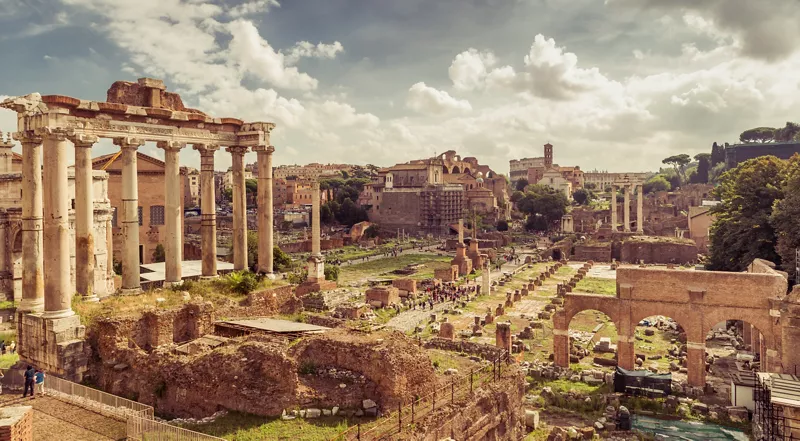
The historic centre of Rome, along with the Vatican City, represents one of the most visited UNESCO heritage sites in Italy. Rome’s streets are an open-air museum showcasing ancient monuments like the Colosseum, Roman Forum, and Pantheon alongside Renaissance palaces and Baroque fountains.
This UNESCO designation recognizes Rome’s unmatched influence on architecture, governance, art, and religion. Visitors gain a direct encounter with the legacies of emperors, popes, and artists who shaped Western civilization.
Venice and Its Lagoon
Venice, the city built on water, is another UNESCO World Heritage Site renowned for its unique urban structure. The canals, bridges, and Gothic architecture blend seamlessly with cultural traditions such as glassmaking and the Venetian Carnival.
Venice’s UNESCO status protects not only its architectural treasures but also its fragile ecosystem. Rising sea levels and mass tourism challenge the city’s survival, making its preservation an urgent global concern.
Florence, the Cradle of the Renaissance
Florence’s historic centre is a UNESCO heritage site that epitomizes the Renaissance. The city is home to the Uffizi Gallery, the Cathedral of Santa Maria del Fiore with its iconic dome, and countless masterpieces by Michelangelo, Leonardo da Vinci, and Botticelli.
Florence represents a turning point in art, science, and human thought. As a UNESCO site, it stands as a symbol of human creativity and innovation, continuing to inspire scholars and artists worldwide.
Pompeii and Herculaneum
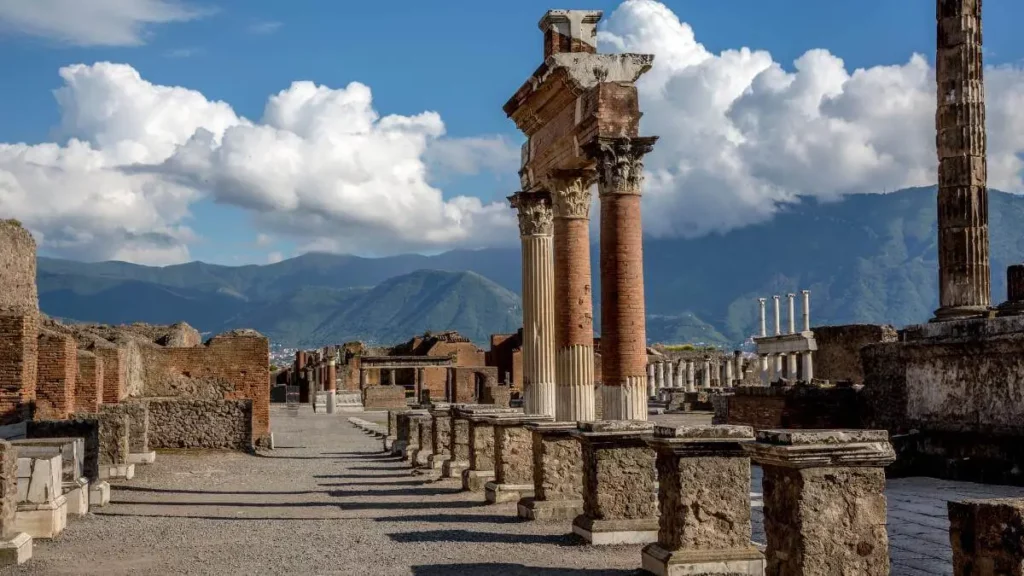
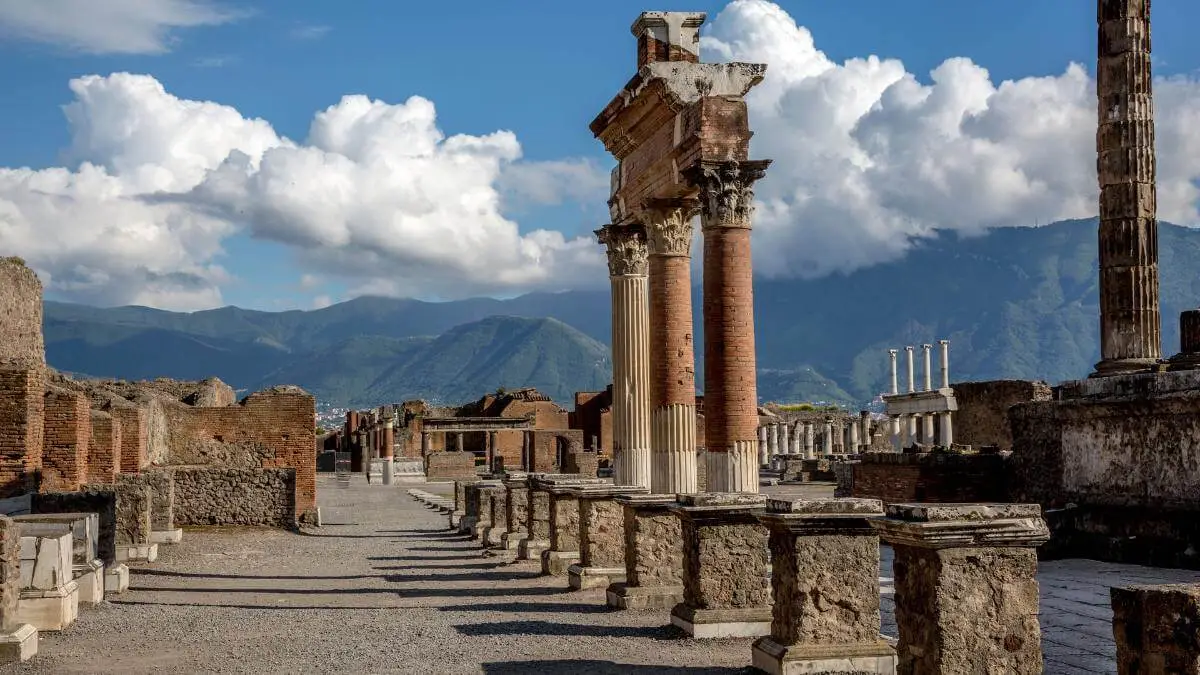
Pompeii and Herculaneum, buried under volcanic ash after the eruption of Mount Vesuvius in 79 AD, are UNESCO World Heritage Sites that provide extraordinary insights into Roman life. Excavations reveal homes, mosaics, markets, and even preserved food remains.
Their significance lies in the detailed snapshot they offer of ancient society. The UNESCO recognition ensures that these cities remain preserved as archaeological treasures for future study and public education.
Insert image of the product: The Dolomites.
The Dolomites, located in northern Italy, are natural UNESCO World Heritage Sites celebrated for their dramatic mountain landscapes. With towering peaks, alpine meadows, and unique geological formations, the Dolomites represent a masterpiece of natural beauty.
As a UNESCO site, the Dolomites highlight the importance of preserving natural environments that are both ecologically fragile and culturally significant. They serve as a prime example of the harmony between human activity, such as traditional farming, and natural conservation.
The Benefits of Preserving UNESCO Heritage Sites in Italy
Preserving UNESCO heritage sites in Italy brings multiple benefits, not only to Italians but also to global society.
One key advantage is cultural continuity. Protecting these landmarks ensures that future generations can experience the same historical and artistic wonders as people do today. Another benefit is economic growth through sustainable tourism. UNESCO heritage recognition attracts millions of visitors annually, supporting local economies while promoting awareness of cultural preservation.
Technology also plays a role in safeguarding these sites. Innovations like 3D scanning, digital archiving, and smart visitor management systems help document, restore, and manage heritage sites more effectively. This integration ensures that while tourism grows, the integrity of the sites remains intact.
Real-World Use Cases of UNESCO Heritage Italy
Digital Preservation of Pompeii

The site of Pompeii has benefited from advanced technologies such as 3D laser scanning and digital mapping. These technologies create virtual models that preserve structures in case of future damage and allow global audiences to experience Pompeii through virtual reality.
Such initiatives not only protect the site but also expand accessibility, enabling people worldwide to engage with history without physical travel.
Smart Tourism in Florence
Florence has introduced digital ticketing systems, crowd management apps, and augmented reality tours to balance heavy tourist flows. These innovations protect delicate Renaissance sites from overcrowding while enhancing visitor experience.
This approach illustrates how heritage preservation and tourism can coexist through technology, ensuring long-term sustainability.
Monitoring Venice’s Lagoon

Venice employs satellite monitoring and flood barrier systems like MOSE (Modulo Sperimentale Elettromeccanico) to protect the lagoon from rising waters. These technological interventions safeguard both the city’s heritage and its residents.
The Venice example demonstrates how technology can address environmental threats while maintaining the cultural identity of a UNESCO site.
Practical Benefits of UNESCO Heritage Italy in Real Life
The recognition of UNESCO heritage sites in Italy solves practical problems related to cultural preservation, education, and tourism management. For example, without UNESCO designation, many historic towns and landscapes would risk neglect, exploitation, or destruction.
In real life, these sites provide educational opportunities for students, researchers, and travelers who wish to learn about ancient civilizations, artistic achievements, or environmental conservation. They also offer community benefits, as local populations can generate income through sustainable tourism while fostering cultural pride.
Use Cases: Why UNESCO Heritage Matters in Italy
UNESCO heritage in Italy addresses several real-world challenges:
- Cultural Erosion: By safeguarding traditions and monuments, UNESCO sites combat the risk of cultural identity being lost.
- Tourism Management: Proper recognition and regulation prevent destructive mass tourism while still providing economic opportunities.
- Environmental Protection: Natural sites like the Dolomites or Venice’s lagoon benefit from international attention and resources for conservation.
- Global Education: Heritage sites serve as living classrooms where people can study history, architecture, and environmental science.
Frequently Asked Questions
1. How many UNESCO World Heritage Sites does Italy have?
Italy currently has more than 55 UNESCO World Heritage Sites, the highest number in the world. These include cultural, natural, and mixed sites.
2. Why are Italian UNESCO sites important globally?
They represent milestones in human history, art, architecture, and environmental preservation, contributing to global cultural identity and knowledge.
3. What challenges do UNESCO sites in Italy face today?
Major challenges include climate change, overcrowding from mass tourism, pollution, and the need for sustainable preservation methods.