UNESCO Cultural Heritage – Preserving Humanity’s Shared Legacy
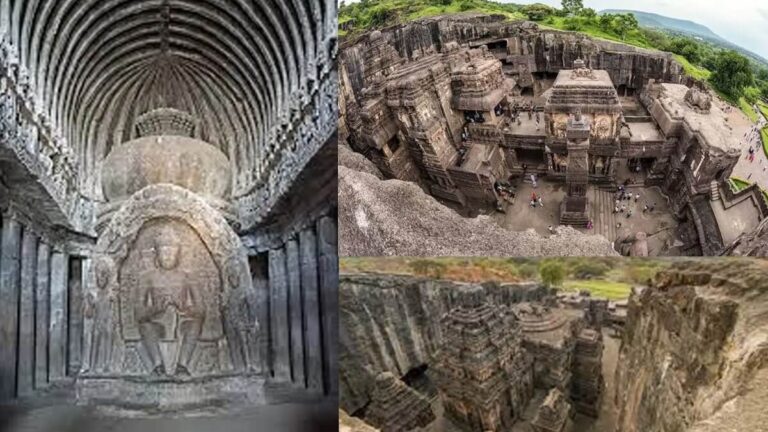
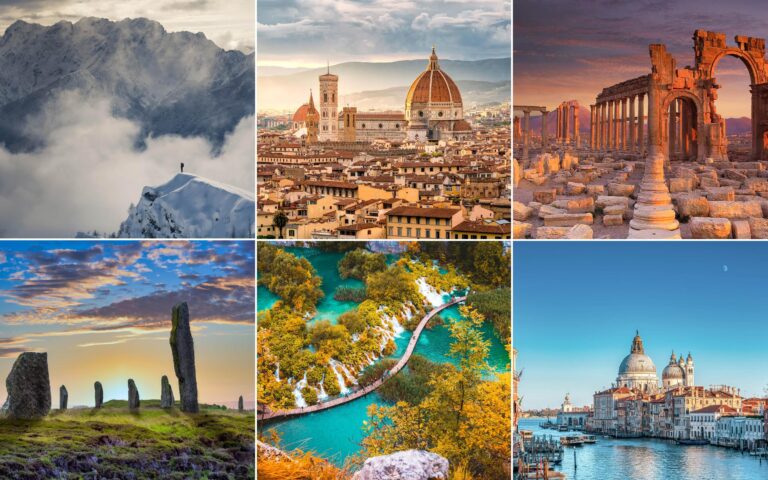
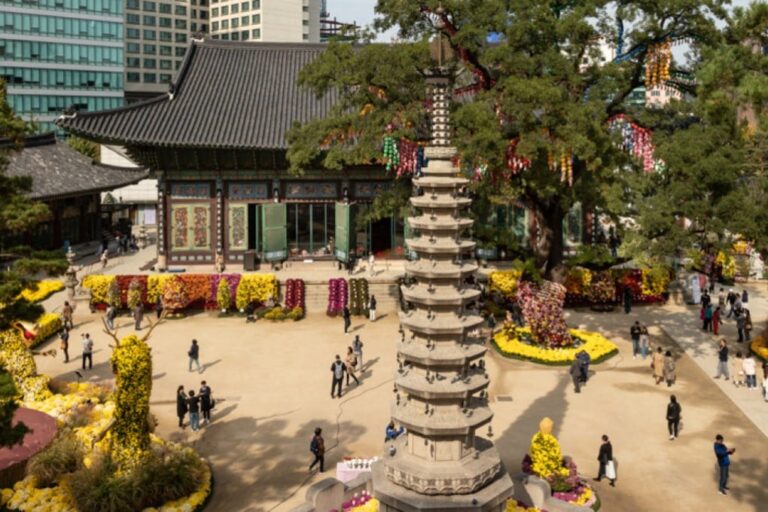
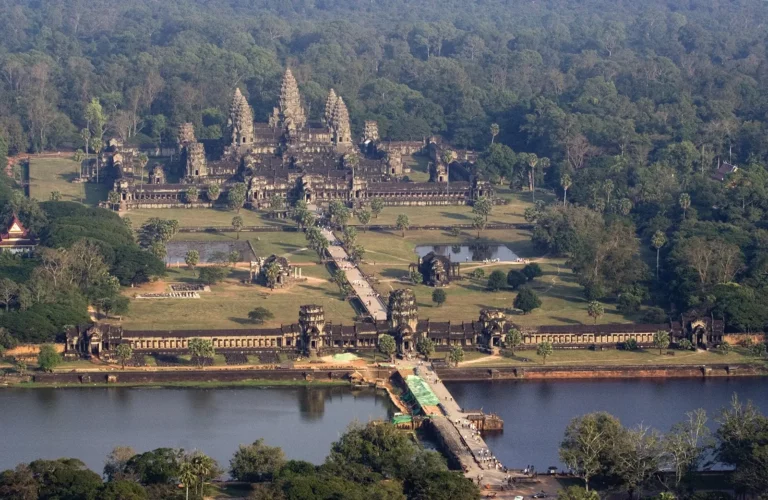
UNESCO Cultural Heritage refers to the treasures of humanity, both tangible and intangible, that have been recognized by the United Nations Educational, Scientific, and Cultural Organization (UNESCO) as having outstanding universal value. This includes historic monuments, cities, landscapes, traditions, music, dance, and knowledge systems that reflect the diverse cultural expressions of humanity.
The concept goes far beyond famous monuments; it also safeguards the practices and traditions that shape community identities. By recognizing these cultural elements, UNESCO ensures that future generations can continue to experience and learn from them. The initiative highlights the belief that cultural diversity is as important to humanity as biodiversity is to nature.
The Role of UNESCO in Cultural Heritage Preservation
UNESCO plays a central role in protecting both tangible and intangible heritage. Established in 1945, its mission is to promote international collaboration in education, science, and culture. Through the World Heritage Convention of 1972 and the Convention for the Safeguarding of Intangible Cultural Heritage in 2003, UNESCO provides a global framework for identifying and protecting heritage.
This work involves evaluating nominations from countries, monitoring heritage sites, providing technical support, and raising awareness of cultural value. UNESCO also assists nations in balancing tourism with conservation, ensuring that heritage sites and traditions are not compromised by rapid modernization.
Categories of UNESCO Cultural Heritage
Tangible Cultural Heritage
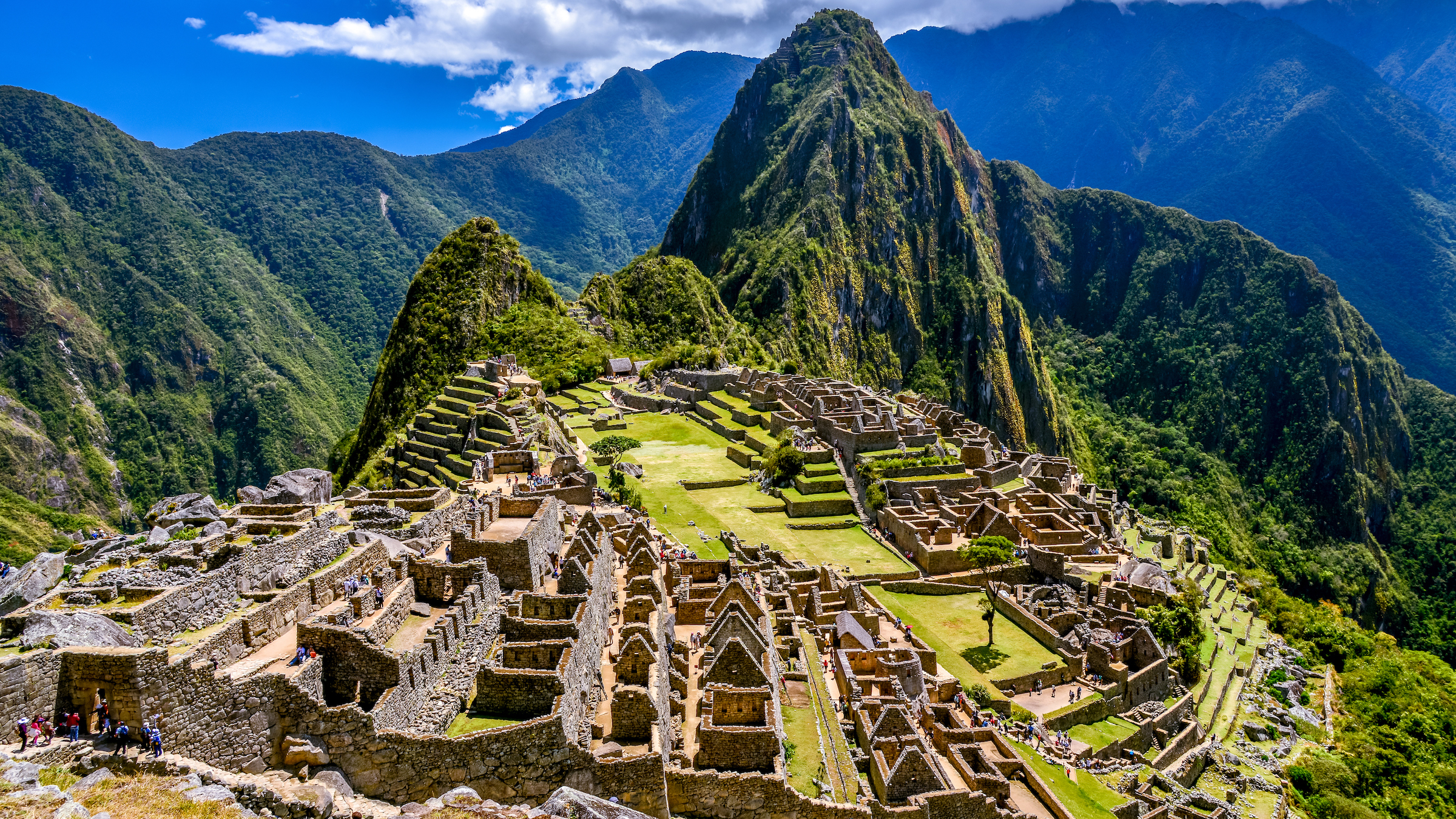
Tangible cultural heritage includes physical objects, buildings, monuments, and archaeological sites. Examples range from the Pyramids of Egypt to the Great Wall of China. These are visible, physical structures that tell stories of past civilizations, architectural advancements, and artistic creativity.
These sites often face threats such as urbanization, climate change, and natural disasters. UNESCO’s role is to ensure preservation through restoration projects, monitoring systems, and international cooperation.
Intangible Cultural Heritage
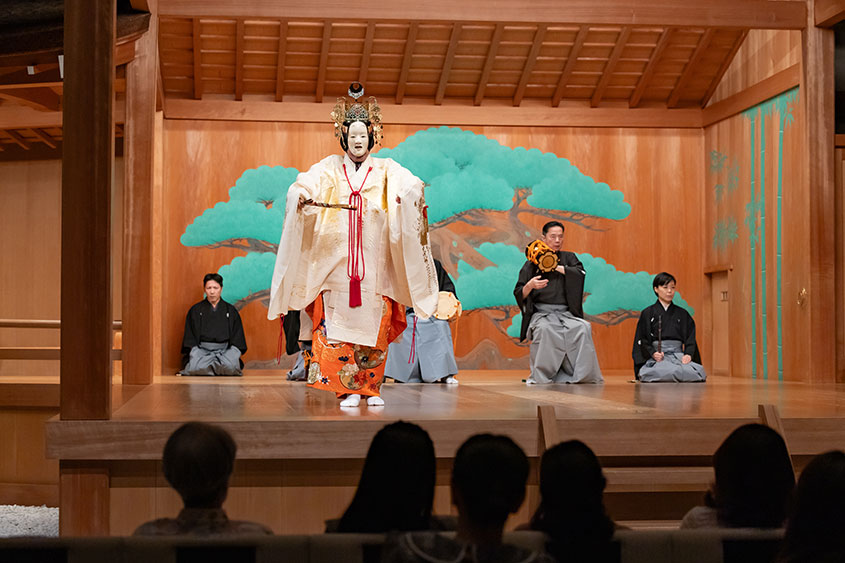
Intangible heritage covers practices, traditions, expressions, and skills passed down from generation to generation. This includes oral traditions, rituals, festive events, traditional craftsmanship, and performing arts. For example, flamenco dance from Spain, yoga from India, and the art of Mongolian throat singing are all UNESCO-recognized.
The recognition of intangible heritage strengthens community pride, fosters cultural identity, and promotes intercultural dialogue across nations.
Real-World Examples of UNESCO Cultural Heritage
The Great Wall of China
The Great Wall of China is a remarkable example of tangible UNESCO heritage. It represents not only an architectural achievement but also a symbol of cultural identity and historical resilience. Spanning over 21,000 kilometers, the wall was built over centuries to protect Chinese territories from invasions.
Its recognition by UNESCO emphasizes the importance of preserving large-scale human achievements. The site attracts millions of visitors yearly, but this also brings challenges of erosion and over-tourism. UNESCO collaborates with Chinese authorities to balance tourism while safeguarding its historical integrity.
Flamenco, Spain

Flamenco, the passionate Spanish art form combining singing, guitar, and dance, is recognized as intangible heritage. It is deeply tied to Andalusian culture and expresses emotions of struggle, love, and resilience. Passed down through families and communities, flamenco embodies cultural memory and artistic expression.
UNESCO’s recognition has helped increase global awareness of flamenco, leading to efforts to support schools and cultural programs that ensure the art form continues to thrive.
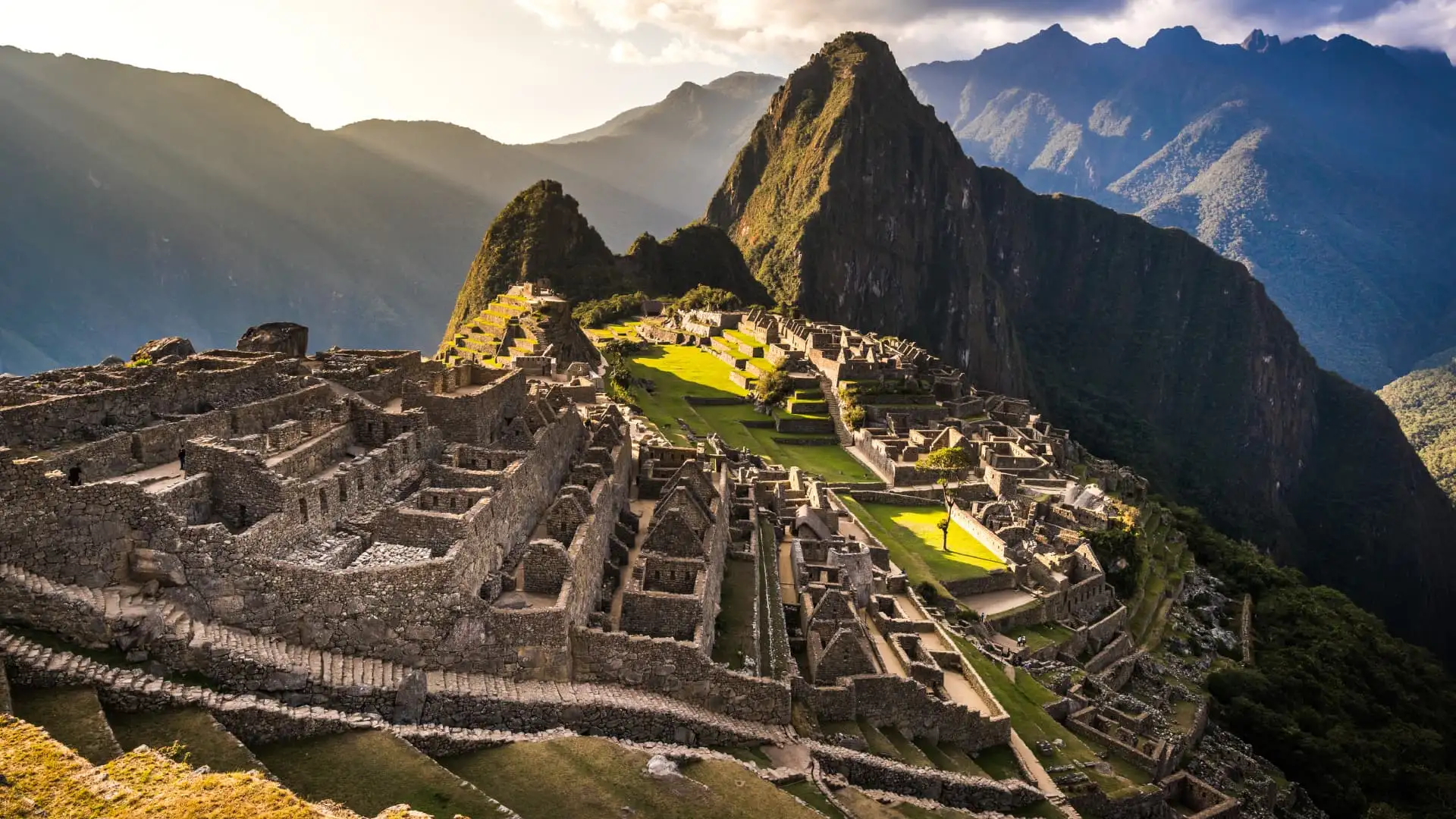
Machu Picchu, Peru
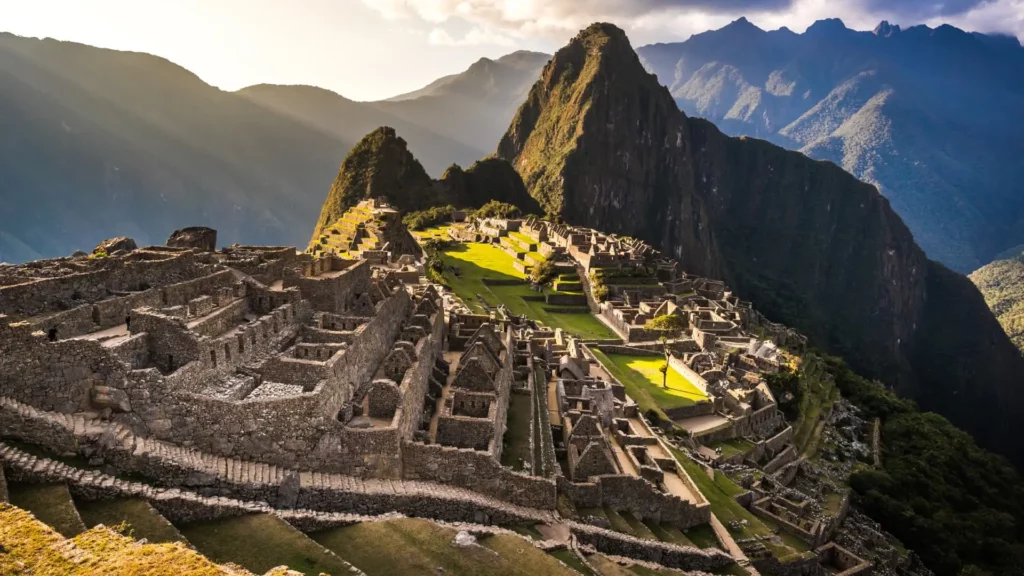
Machu Picchu is a testament to the Inca civilization’s architectural genius. Located high in the Andes, it combines natural beauty with cultural innovation. This UNESCO site is a cultural treasure not only for Peru but for the world.
Preservation challenges include natural erosion, tourism pressure, and climate change. UNESCO and local authorities work on conservation strategies such as controlled visitor numbers, restoration, and community engagement to safeguard its future.
Yoga, India
Yoga is an intangible heritage recognized for its global cultural impact. Originating in ancient India, yoga combines physical postures, breathing techniques, and meditation practices that foster physical and mental well-being.
UNESCO’s inclusion of yoga highlights its importance as a cultural tradition that has transcended borders. It promotes intercultural exchange, holistic health, and spiritual growth, making it a living tradition that continues to evolve.
Benefits of Preserving UNESCO Cultural Heritage
Preserving cultural heritage offers multiple benefits for societies worldwide. First, it strengthens cultural identity and fosters pride among communities. Knowing that a tradition or site is recognized by UNESCO often inspires local efforts to safeguard it for future generations.
Second, heritage preservation has significant economic benefits through sustainable tourism. Visitors travel from around the world to experience UNESCO sites, creating jobs and supporting local businesses. However, UNESCO emphasizes responsible tourism to avoid exploitation.
Third, cultural heritage promotes education and intercultural dialogue. By learning about the practices and monuments of other cultures, societies build mutual understanding, tolerance, and respect. This is vital in today’s interconnected world, where cultural exchange can bridge divides.
Lastly, heritage preservation contributes to sustainable development. By protecting both natural landscapes and cultural traditions, UNESCO aligns heritage conservation with broader goals such as environmental protection and social inclusion.
Use Cases of UNESCO Cultural Heritage in Real Life
Education and Cultural Awareness
Heritage sites and traditions are valuable resources for education. Schools and universities use them as teaching tools to inspire critical thinking about history, culture, and global interconnectedness.
Sustainable Tourism Development
Communities near UNESCO sites benefit from tourism revenue while also learning the importance of managing resources sustainably. This balance creates long-term economic stability and cultural pride.
Conflict Resolution and Peacebuilding
Cultural heritage can act as a bridge between divided communities. By recognizing shared cultural values, UNESCO helps foster reconciliation and dialogue in post-conflict regions.
Technology in Preservation
Advanced technologies such as 3D scanning, drones, and digital archives allow UNESCO and local authorities to document heritage sites with unprecedented precision. These tools make restoration and protection more effective, especially in areas prone to natural disasters.
Frequently Asked Questions (FAQ)
1. What is the difference between tangible and intangible UNESCO cultural heritage?
Tangible heritage refers to physical monuments, sites, and artifacts, while intangible heritage includes traditions, rituals, languages, and performing arts passed down through generations.
2. How does UNESCO decide which sites or traditions to recognize?
UNESCO evaluates nominations submitted by member states based on criteria such as historical significance, cultural value, and the need for preservation. Independent experts and committees assess these nominations before official recognition.
3. Why is preserving cultural heritage important for future generations?
Cultural heritage connects people to their roots, provides lessons from history, and promotes global diversity. Preserving it ensures that future generations can experience, learn, and benefit from humanity’s shared legacy.