New UNESCO Sites 2025: A Complete Guide to World Heritage Additions
UNESCO World Heritage Sites represent humanity’s collective legacy. Every year, UNESCO recognizes new cultural and natural treasures that hold outstanding universal value. In 2025, a range of new UNESCO sites will be inscribed, reflecting diverse histories, ecosystems, and cultural traditions. These sites not only safeguard heritage but also provide educational, cultural, and environmental benefits for communities and travelers alike.
Understanding the importance of these new UNESCO sites allows us to appreciate the delicate balance between heritage preservation and sustainable development. This article provides an in-depth exploration of the 2025 inscriptions, their global significance, and their real-world impact.
What Are UNESCO World Heritage Sites?
UNESCO World Heritage Sites are landmarks or areas chosen by the United Nations Educational, Scientific, and Cultural Organization (UNESCO) for their outstanding cultural, historical, or natural importance to humanity. They may include ancient ruins, architectural masterpieces, sacred landscapes, biodiversity-rich areas, and cultural practices that define human civilization.
A site must meet strict criteria, such as representing a masterpiece of human creative genius, bearing unique testimony to a cultural tradition, or containing outstanding natural phenomena. Once inscribed, UNESCO sites receive international recognition and protection to ensure their preservation for future generations.
Why New UNESCO Sites Matter
The inscription of new UNESCO sites each year is not simply symbolic. It directly impacts communities, global tourism, cultural exchange, and scientific research. By safeguarding heritage, UNESCO strengthens our connection to the past and helps address present-day issues like climate change, loss of biodiversity, and cultural erosion.
For countries, recognition often brings international attention, fostering pride and encouraging sustainable tourism. For local communities, it creates opportunities for education, employment, and cultural continuity.
Highlighted New UNESCO Sites in 2025
Below are several of the newly inscribed UNESCO sites for 2025, each reflecting the diversity and richness of our global heritage.
City of Byblos (Lebanon)

One of the most celebrated additions in 2025 is the Ancient City of Byblos, an archaeological site on Lebanon’s Mediterranean coast. Byblos is believed to be among the oldest continuously inhabited cities in the world, with origins dating back to 5000 BCE.
Its ruins reveal layers of history, from Neolithic settlements to Phoenician temples, Roman theaters, and Crusader castles. Byblos is also significant as the birthplace of the Phoenician alphabet, one of the earliest written languages that influenced modern alphabets.
Byblos’ inclusion highlights how urban centers have evolved over millennia, serving as cultural crossroads that shaped trade, language, and art.
Lake Turkana Basin (Kenya)
Another notable inscription in 2025 is Kenya’s Lake Turkana Basin, a natural site that has yielded some of the world’s most important fossil discoveries. Known as the “Cradle of Humankind,” the area has produced remains of early hominids dating back millions of years.
The lake itself, the largest desert lake in the world, supports unique ecosystems including Nile crocodiles, hippos, and migratory birds. The combination of its natural biodiversity and archaeological significance makes Lake Turkana an invaluable site for both science and heritage.
Its recognition emphasizes the global importance of protecting fragile ecosystems threatened by climate change and human activity.
Silk Roads of Central Asia (Uzbekistan, Kazakhstan, Kyrgyzstan)
The Silk Roads inscription is a transnational site that stretches across multiple Central Asian countries. It includes caravanserais, ancient cities, and mountain passes that once facilitated trade between Asia and Europe.
These routes were not only commercial pathways but also cultural highways, transmitting religions, art, and technologies. The 2025 UNESCO recognition ensures that these heritage landscapes will be preserved collectively by participating nations.
By protecting the Silk Roads, UNESCO highlights the shared history of globalization and cultural exchange that shaped modern civilizations.
Insert image of the product format: Baroque Churches of South America (Peru and Ecuador)
A cultural highlight of 2025 is the inclusion of several Baroque churches built by indigenous artisans during the colonial era in South America. These churches, blending European Baroque architecture with native motifs, stand as symbols of cultural fusion.
Their frescoes, altarpieces, and structural designs reflect indigenous interpretations of Christianity, creating a unique hybrid style often called “Andean Baroque.” Recognition of these churches acknowledges the resilience of local traditions and their role in shaping Latin American identity.
Mount Rwenzori National Park Expansion (Uganda)

Mount Rwenzori, known as the “Mountains of the Moon,” has been expanded as part of UNESCO’s 2025 natural site recognition. This alpine ecosystem is one of the most biodiverse mountain ranges in Africa, home to rare species like the Rwenzori turaco and giant lobelias.
The glaciers of Mount Rwenzori are receding due to climate change, and UNESCO’s recognition underscores the urgency of conservation efforts. By expanding the park’s UNESCO status, Uganda gains greater support for protecting both biodiversity and the communities that depend on it.
Benefits of Recognizing New UNESCO Sites
The recognition of new UNESCO sites has multiple real-world benefits beyond cultural prestige.
Cultural Preservation
New UNESCO sites encourage nations and local communities to invest in preserving traditions, languages, and practices that might otherwise be forgotten. This preservation is not just physical but also intangible, ensuring rituals, crafts, and oral traditions survive.
Economic Growth Through Tourism
Sustainable tourism often follows UNESCO recognition. Local economies benefit from increased visibility, attracting travelers interested in cultural and ecological tourism. This leads to job creation, infrastructure development, and renewed pride in heritage.
Scientific and Environmental Research
Many natural UNESCO sites, like Lake Turkana and Mount Rwenzori, provide invaluable opportunities for scientific study. From archaeology to biodiversity research, these sites act as living laboratories that contribute to global knowledge.
Global Cultural Exchange
By highlighting shared human heritage, UNESCO sites foster intercultural dialogue and cooperation. They remind us of humanity’s interconnectedness and encourage collaboration across borders.
Real-World Use Cases of New UNESCO Sites
Educational Programs in Byblos
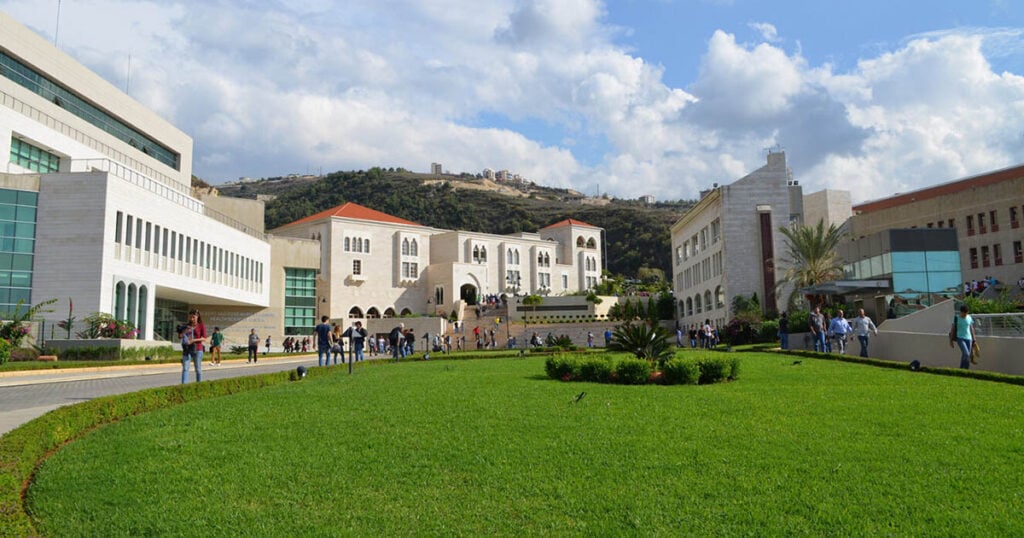
Byblos has become a hub for educational initiatives, where archaeologists, linguists, and historians conduct research and host workshops. Students from around the world can study ancient scripts, architectural techniques, and urban development over millennia.
Such educational use cases illustrate how UNESCO recognition transforms sites into global classrooms.
Ecotourism at Lake Turkana
At Lake Turkana, ecotourism programs support both conservation and community development. Local guides lead tours that emphasize sustainable practices while educating visitors about the lake’s fragile ecosystems.
This model demonstrates how UNESCO sites balance preservation with economic opportunities, ensuring long-term benefits for surrounding communities.
Cultural Festivals Along the Silk Roads

The Silk Roads inscription has inspired cross-border cultural festivals featuring traditional music, cuisine, and crafts. These events not only attract tourists but also revive cultural practices that strengthen regional identity.
By linking modern communities with their historical roots, UNESCO recognition fosters cultural resilience.
Practical Advantages of New UNESCO Sites
The practical advantages of UNESCO recognition extend beyond heritage protection. For instance, local authorities often receive international funding and technical expertise to improve site management. Communities gain access to training in tourism management, conservation, and cultural documentation.
Moreover, recognition serves as a safeguard against exploitation, such as unregulated construction, deforestation, or looting. It provides legal and political backing to resist threats that might endanger these irreplaceable treasures.
Frequently Asked Questions
1. How does UNESCO choose new World Heritage Sites?
UNESCO evaluates nominations based on ten criteria covering cultural and natural significance. Sites must demonstrate “outstanding universal value” and include detailed management plans to ensure preservation.
2. Do new UNESCO sites immediately see an increase in tourism?
Often, yes. Recognition typically brings global attention, but responsible site management is crucial to balance tourism growth with sustainability.
3. Can UNESCO status be revoked?
Yes. If a site fails to maintain preservation standards or faces irreversible damage, it can be placed on the endangered list or lose its World Heritage status altogether.