

Embark on a journey through the digital realm with interactive virtual tours, a revolutionary way to experience places and spaces without leaving your seat. From immersive technology to enhanced user engagement, these tours offer a unique perspective on various industries and locations.
Dive in to discover more about this innovative concept.
What are Interactive Virtual Tours?
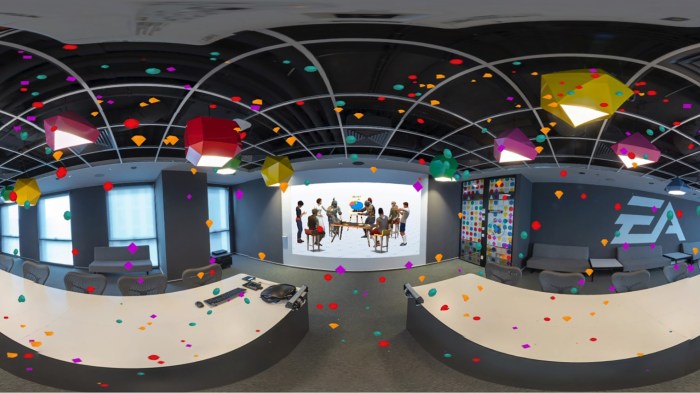
Interactive virtual tours are digital simulations of physical locations that allow users to explore and interact with the space as if they were there in person. These tours typically use a combination of images, videos, and virtual reality technology to provide a realistic and immersive experience.
Technology Behind Interactive Virtual Tours
Interactive virtual tours are created using specialized cameras called 360-degree cameras that capture images from all directions. These images are then stitched together using software to create a seamless panoramic view. Users can navigate through the virtual tour using their mouse, keyboard, or touch screen to move around and explore the space from different angles.
Differences from Traditional Tours
Traditional tours require physical presence at the location, while interactive virtual tours can be accessed remotely from anywhere with an internet connection. Interactive virtual tours also offer a more interactive and engaging experience compared to traditional tours, allowing users to control their exploration and focus on areas of interest.
Additionally, virtual tours can be easily shared and revisited multiple times, offering a convenient and flexible way to experience a space.
Benefits of Interactive Virtual Tours
Interactive virtual tours offer numerous advantages for businesses looking to showcase their properties or products in a dynamic and engaging way. These tours provide a unique opportunity for users to explore a space or a product virtually, leading to enhanced user experience and increased customer engagement.
Enhanced User Experience
Interactive virtual tours allow users to navigate through a space at their own pace, giving them a sense of control and autonomy. Users can choose where to go, what to look at, and how long to spend in each area.
This level of interactivity creates a personalized experience that can significantly impact user engagement and satisfaction.
- Users can explore properties or products from the comfort of their own homes, eliminating the need for physical visits.
- Interactive features such as hotspots, videos, and audio guides can provide additional information and context, making the experience more informative and immersive.
- Virtual tours can be accessed from any device with an internet connection, making them easily accessible to a wide range of users.
Business Advantages
Numerous industries can benefit from the use of interactive virtual tours to showcase their offerings in a more engaging and compelling way. Real estate, hospitality, tourism, education, and retail are just a few examples of industries that can leverage the power of virtual tours to attract customers and drive sales.
- Real estate agents can offer virtual property tours to potential buyers, saving time and resources on physical visits.
- Hotels and resorts can provide virtual tours of their facilities to entice guests and showcase amenities.
- Universities and schools can create virtual campus tours for prospective students, allowing them to explore the campus and facilities remotely.
- Retailers can offer virtual shopping experiences, allowing customers to browse products and make purchases online.
Designing Interactive Virtual Tours
When designing interactive virtual tours, there are key elements to consider to ensure a captivating and engaging experience for users. By focusing on creating interactive content and optimizing user engagement, virtual tours can offer a unique and immersive way to showcase spaces and locations.
Key Elements to Consider
When designing interactive virtual tours, it is important to consider the following key elements:
- Navigation: Ensure intuitive navigation controls to allow users to easily explore the virtual environment.
- Interactive Features: Incorporate interactive elements such as clickable hotspots, pop-up information boxes, and multimedia content.
- Visual Quality: Use high-resolution images and videos to provide a realistic and immersive experience.
- User Interface: Design a user-friendly interface that enhances the overall usability of the virtual tour.
- Mobile Compatibility: Optimize the virtual tour for mobile devices to reach a wider audience.
Creating Engaging Content
To create engaging and interactive content for virtual tours, consider the following tips:
- Storytelling: Develop a narrative or storyline that guides users through the virtual tour and keeps them engaged.
- Interactive Elements: Include interactive features such as quizzes, games, or interactive maps to encourage user participation.
- Multi-sensory Experience: Incorporate audio, video, and other multimedia elements to create a multi-sensory experience for users.
- Personalization: Offer customization options that allow users to tailor their virtual tour experience to their preferences.
Optimizing User Engagement
To optimize user engagement in virtual tours, follow these best practices:
- Feedback Mechanism: Provide opportunities for users to provide feedback and suggestions to improve the virtual tour experience.
- Social Sharing: Enable users to share the virtual tour on social media platforms to increase visibility and reach.
- Call to Action: Include clear calls to action that prompt users to take specific actions, such as booking a reservation or requesting more information.
- Analytics Tracking: Use analytics tools to track user behavior and engagement metrics to continually improve the virtual tour.
Interactive Features in Virtual Tours
Interactive virtual tours come with a variety of features that enhance user engagement and create a more immersive experience. These interactive elements allow users to explore the virtual space in a dynamic and engaging way. Let's take a closer look at some common interactive features found in virtual tours:
Types of Interactive Elements
- 360-Degree Views: This feature allows users to navigate the virtual environment in a full 360-degree perspective, providing a more realistic sense of space.
- Hotspots: Hotspots are clickable areas within the virtual tour that provide additional information, images, videos, or links to other content.
- Interactive Maps: Interactive maps help users navigate through different sections of the virtual space, making it easier to explore and find specific points of interest.
- Virtual Reality (VR) Integration: VR technology enables users to experience the virtual tour in a more immersive way by using VR headsets for a truly interactive experience.
Tips for Incorporating Interactive Features
- Engage Users: Use interactive elements strategically to engage users and encourage them to explore different areas of the virtual tour.
- Provide Information: Use hotspots to provide relevant information, images, videos, or links that enhance the user's understanding of the space.
- Keep it User-Friendly: Ensure that interactive elements are intuitive and easy to use, so users can navigate the virtual tour seamlessly.
- Utilize Multimedia: Incorporate a variety of multimedia elements such as videos, audio clips, and interactive images to make the virtual tour more engaging and informative.
Final Thoughts
As we conclude our exploration of interactive virtual tours, we hope you've gained valuable insights into this exciting technology. With benefits ranging from business advantages to enhanced user experiences, the potential for interactive virtual tours is limitless. Start creating your own immersive experiences today and unlock a world of possibilities.
Question Bank
What makes interactive virtual tours unique?
Interactive virtual tours offer a dynamic and engaging way to explore spaces, providing a more immersive experience compared to traditional tours.
How can businesses benefit from interactive virtual tours?
Businesses can showcase their products or services in a more interactive and engaging manner, leading to increased customer engagement and interest.
What are some common interactive features in virtual tours?
Common interactive features include 360-degree views, interactive hotspots, virtual reality integration, and multimedia content.