Understanding Human Heritage: Importance, Preservation, and Modern Use Cases
Human heritage is the collective legacy of humanity, everything passed down through generations that defines our identity, culture, and shared history. It encompasses tangible monuments, intangible traditions, and natural landscapes that tell the story of human civilization. From the Pyramids of Egypt to indigenous oral traditions, human heritage is not only about the past but also about shaping the present and future.
Understanding human heritage is vital because it helps communities connect with their roots, maintain cultural continuity, and foster respect across nations. In a rapidly changing world driven by globalization and technology, preserving this heritage ensures that we do not lose the wisdom, creativity, and knowledge of our ancestors.
The Concept of Human Heritage
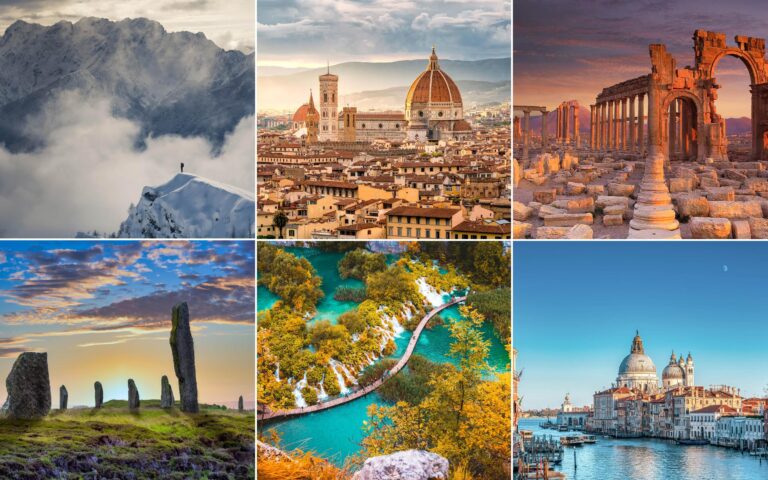
Human heritage can be divided into three key dimensions: cultural, natural, and intangible. Cultural heritage includes structures, artwork, and artifacts that illustrate human achievements. Natural heritage involves landscapes, biodiversity, and ecosystems valued for their historical and ecological significance. Intangible heritage refers to traditions, languages, rituals, and craftsmanship that are carried on through oral transmission and practice.
Each of these elements reflects the diversity of humanity. They are reminders of where societies came from, what challenges they overcame, and how they evolved. Preserving human heritage means ensuring that the values and lessons embedded in it are not forgotten, but passed on as tools for growth and resilience in modern life.
Why Human Heritage Matters

Human heritage is more than just remnants of the past. It matters because it connects communities to their sense of belonging. When people understand their heritage, they are more likely to protect their identity and respect others’ traditions. This creates harmony and mutual understanding across borders.
Furthermore, human heritage has economic and educational value. Heritage sites attract millions of visitors annually, boosting tourism and local economies. They also serve as living classrooms, offering knowledge that textbooks alone cannot provide. By interacting with heritage, students and communities learn the significance of sustainability, cultural respect, and innovation rooted in tradition.
Benefits of Preserving Human Heritage with Technology
In the digital age, technology has become a powerful ally in preserving and sharing human heritage. Virtual reality, 3D scanning, and artificial intelligence are redefining how artifacts, languages, and traditions are documented. These innovations ensure accessibility while reducing the risks of physical damage to original heritage materials.
Digitization, for example, allows ancient manuscripts and artwork to be preserved in high-resolution formats. This protects fragile originals while enabling researchers, students, and the general public to study them without physical contact. Similarly, augmented reality offers immersive experiences that help people explore heritage sites remotely, breaking down geographic and financial barriers.
The practical benefits extend beyond preservation. Technology also fosters education, cultural exchange, and sustainable tourism. By making heritage resources widely available, communities worldwide can engage in cultural dialogue, learn from one another, and collectively promote global understanding.
Real-World Examples of Human Heritage Preservation
Below are four detailed examples that highlight how human heritage is being safeguarded and celebrated worldwide.
The Lascaux Cave Paintings, France

The Lascaux caves, home to Paleolithic cave paintings over 17,000 years old, illustrate the earliest expressions of human creativity. Due to the fragility of the caves, public access was restricted to protect the artwork from damage caused by carbon dioxide and light. To solve this, technology played a crucial role. Digital replicas and virtual tours were created, enabling millions of people to experience the cave art without endangering the original paintings.
This approach shows how heritage can be shared without sacrificing preservation. It demonstrates the value of combining traditional conservation with digital innovation, ensuring that cultural treasures are both safeguarded and widely accessible.
The Great Wall of China
The Great Wall is not only a symbol of Chinese history but also an emblem of human perseverance. However, centuries of natural erosion and human activity threatened its stability. To address this, modern preservation projects use drones and satellite imagery to monitor their condition. These technologies allow researchers to detect weak spots, analyze weather impacts, and plan restoration with precision.
This example highlights how advanced technology enables practical solutions for managing large-scale heritage sites. It also shows how heritage conservation can align with sustainable tourism, as monitoring ensures that public access does not compromise preservation.
Indigenous Languages and Oral Traditions

Human heritage is not confined to monuments; it lives in words, songs, and traditions. Indigenous languages worldwide are disappearing at alarming rates. To combat this, projects like UNESCO’s language preservation initiatives use digital recording tools and online archives to safeguard oral traditions. Communities are now able to store and share their stories in digital libraries accessible to future generations.
This initiative preserves cultural identity while promoting diversity. Language is a key part of human heritage, and its preservation ensures that wisdom encoded in traditional expressions remains relevant in the modern world.
Machu Picchu, Peru
Machu Picchu represents the ingenuity of the Inca civilization. Recognized as a UNESCO World Heritage Site, it faces challenges from mass tourism and environmental pressures. Preservation programs have incorporated controlled access systems, eco-friendly tourism practices, and advanced monitoring technologies to balance conservation with public visitation.
Machu Picchu’s preservation efforts demonstrate how heritage sites can remain open to global visitors while protecting their integrity. The site continues to inspire millions, serving as both a cultural landmark and a symbol of sustainable preservation practices.
Use Cases of Human Heritage in Modern Society
Human heritage is not simply about preservation; it has meaningful applications in today’s world.
One use case is education. Museums, digital archives, and heritage tours provide students with interactive learning experiences that deepen their understanding of history, culture, and the environment.
Another use case is community identity and healing. In regions affected by conflict, restoring cultural sites and reviving traditions help communities rebuild a sense of belonging and continuity. Heritage serves as a unifying force that encourages reconciliation and resilience.
Human heritage also plays a crucial role in sustainable development. By leveraging heritage tourism responsibly, countries generate income that supports local economies while raising awareness about environmental and cultural conservation.
These use cases highlight why human heritage is not a relic of the past but a living asset that continues to solve real-world problems and inspire innovation.
Practical Advantages of Preserving Human Heritage
Preserving human heritage has profound benefits that extend across generations. It ensures that future societies can learn from historical achievements and mistakes. It also fosters global respect, as nations recognize the value of each other’s contributions to humanity.
Practically, heritage preservation encourages sustainable practices, cultural pride, and intercultural dialogue. It promotes a sense of stewardship, motivating people to protect the environment and traditions for future generations. By safeguarding heritage, we safeguard humanity’s collective identity and wisdom.
Frequently Asked Questions
1. What is the difference between cultural and natural human heritage?
Cultural heritage refers to man-made achievements like monuments, art, and traditions, while natural heritage includes landscapes, ecosystems, and biodiversity valued for their ecological and historical importance. Both are integral to human heritage and reflect humanity’s shared legacy.
2. How does technology help preserve human heritage?
Technology helps by digitizing fragile artifacts, creating virtual experiences of heritage sites, monitoring structural integrity through drones or satellites, and safeguarding intangible elements like languages. It ensures wider accessibility while minimizing risks of damage.
3. Why is preserving human heritage important for future generations?
Preserving human heritage allows future generations to learn from past civilizations, maintain cultural identity, and build sustainable futures. It fosters global understanding and ensures that humanity’s collective wisdom and creativity are never lost.