Corporate Travel Platforms: Complete Guide, Benefits, and Examples
Business travel remains a critical function for organizations of all sizes. Whether it is for sales meetings, conferences, or operational oversight, companies invest significantly in ensuring their employees travel efficiently and safely. In this digital era, corporate travel platforms have emerged as essential tools for streamlining processes, reducing costs, and enhancing the overall travel experience.
This article provides an in-depth exploration of corporate travel platforms, their benefits, leading examples, and practical use cases in real business settings.
Understanding Corporate Travel Platforms
Corporate travel platforms are centralized digital solutions designed to help businesses manage their employees’ travel needs. These platforms combine booking systems, expense management, policy compliance, and reporting tools into a unified interface.
Instead of relying on manual bookings or fragmented tools, companies can consolidate all aspects of travel, flights, hotels, car rentals, and expenses into a single ecosystem. This reduces administrative overhead and gives both the company and travelers more transparency and control.
Modern platforms integrate artificial intelligence (AI), automation, and mobile-first technology to enhance decision-making. For example, AI can suggest cost-effective flights, while mobile apps allow employees to change bookings on the go.
Why Businesses Need Corporate Travel Platforms
Managing business travel without a dedicated system can quickly become chaotic. Companies face challenges such as overspending, policy violations, and poor traveler satisfaction. Corporate travel platforms address these problems by offering:
- Centralized travel booking and management
- Real-time visibility into spending
- Policy enforcement and compliance tracking
- Simplified expense reporting
- Enhanced traveler safety with duty-of-care features
For companies sending multiple employees on trips monthly, such platforms move from being a convenience to an operational necessity.
TravelPerk: A Modern Travel Management Experience
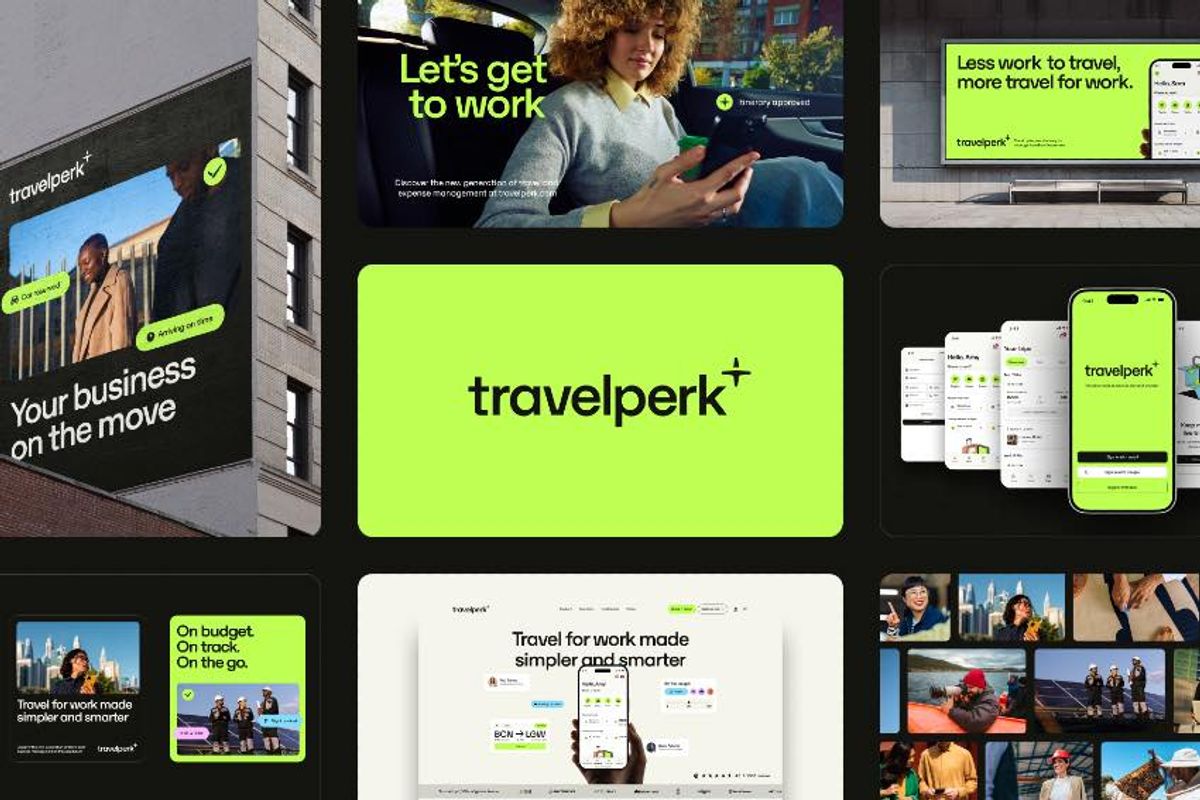
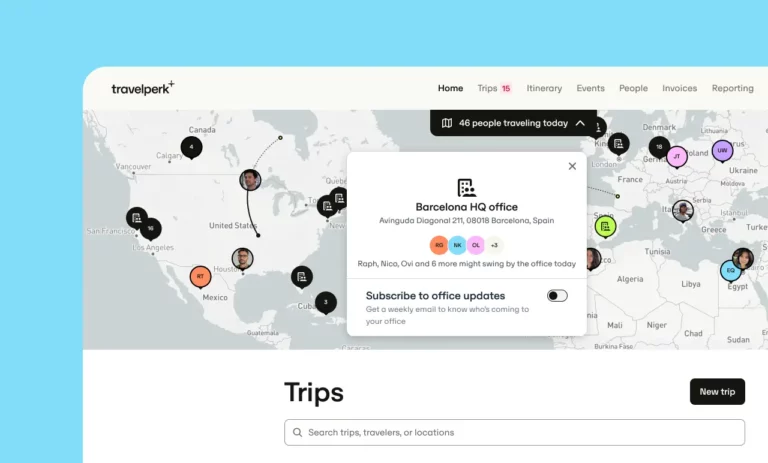
TravelPerk is one of the most recognized corporate travel platforms today. It provides a user-friendly interface designed to make travel booking as seamless as consumer-grade applications while still adhering to corporate policies.
With TravelPerk, employees can book flights, hotels, and trains in a single platform while staying within company-approved options. Its “FlexiPerk” feature is particularly valuable, allowing businesses to cancel or modify bookings with minimal penalties.
Companies also benefit from TravelPerk’s integrated expense tracking and compliance monitoring. Finance teams can generate detailed travel reports, helping optimize budgets and control costs. This combination of flexibility and control makes TravelPerk ideal for growing businesses.
SAP Concur: Enterprise-Grade Travel Management
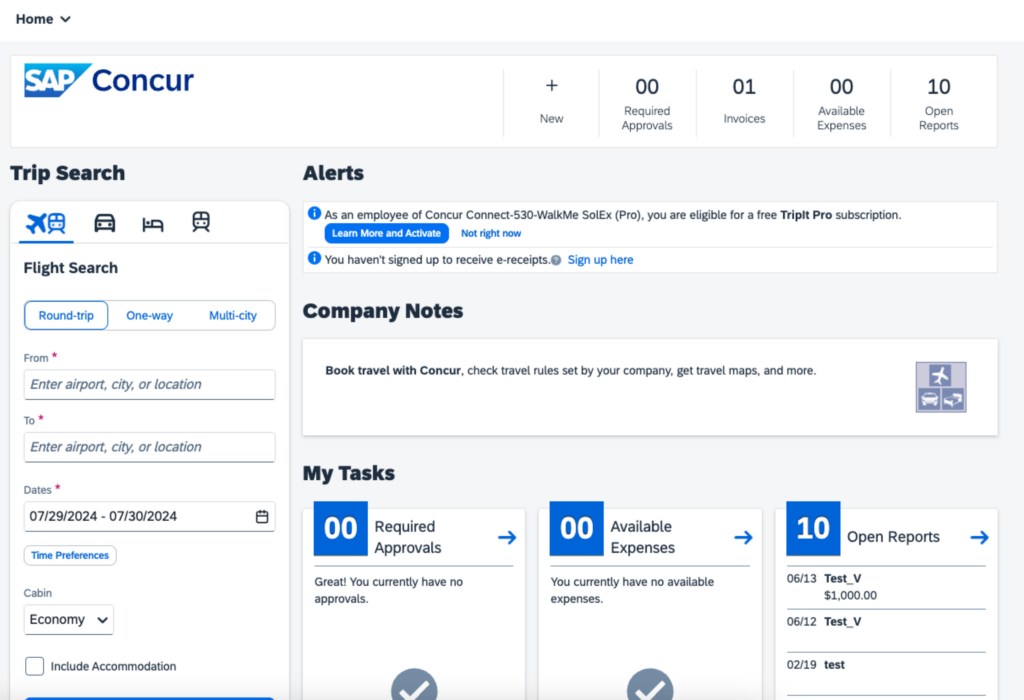
SAP Concur is a market leader in corporate travel management software, widely adopted by multinational corporations. Unlike lightweight tools, Concur offers enterprise-level features, including deep integrations with ERP and HR systems.
One of its strengths is expense automation. Employees can upload receipts via a mobile app, and the system automatically matches expenses with bookings. This not only reduces errors but also saves countless administrative hours.
In addition, SAP Concur supports global operations by managing compliance across multiple countries, currencies, and tax structures. Its built-in analytics tools give CFOs a clear picture of travel spending across regions, making it a strategic platform for large enterprises.
Egencia: A Corporate Solution by Expedia
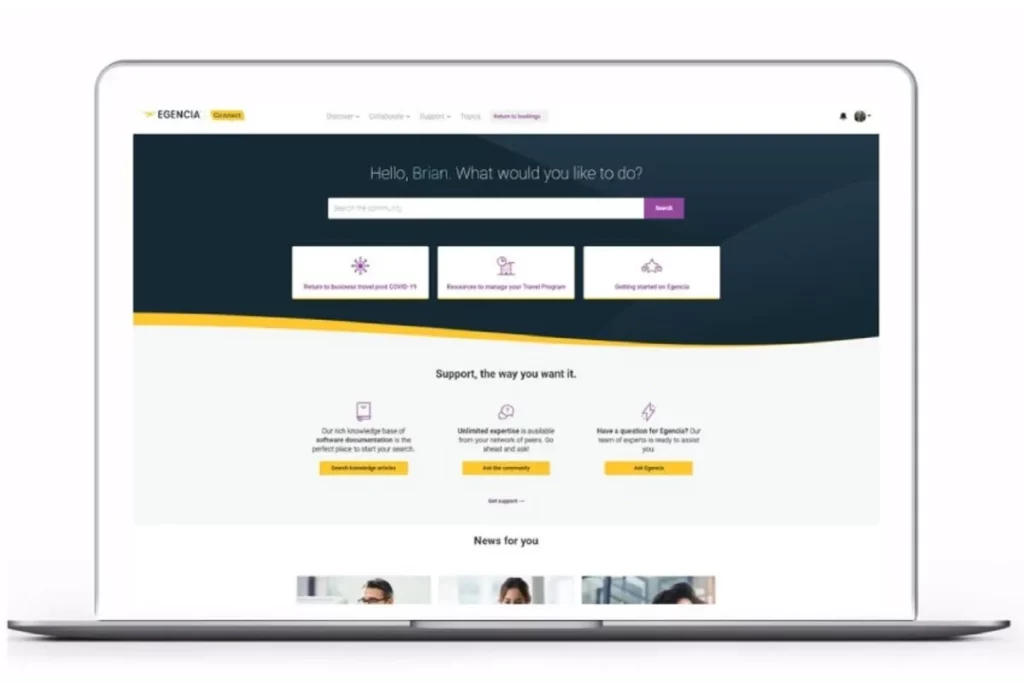
Egencia, part of the Expedia Group, focuses on providing a technology-driven travel platform with the power of consumer travel convenience backed by corporate control. Its global reach makes it attractive for international businesses.
The platform provides employees with a familiar booking experience while allowing travel managers to enforce policies. Egencia’s strength lies in its data-driven insights that companies can analyze to understand travel behaviors, negotiate with vendors, and ensure better cost management.
Egencia also emphasizes traveler safety by providing alerts and tracking tools, which are critical for duty-of-care obligations. This makes it not just a booking tool but a comprehensive travel risk management solution.
Navan: AI-Powered Corporate Travel
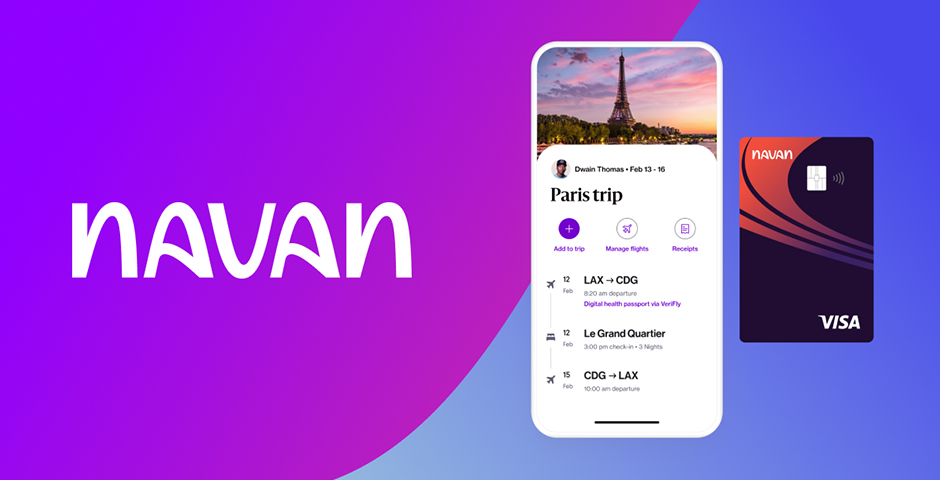
Navan, previously known as TripActions, leverages artificial intelligence and automation to transform corporate travel. Its AI-driven system recommends travel options based on employee preferences while ensuring compliance with company policies.
A standout feature is its real-time traveler support, allowing employees to chat with agents or use self-service tools when unexpected disruptions occur. For finance teams, Navan provides predictive analytics to forecast spending and identify potential savings.
By focusing on user experience and intelligence-driven decisions, Navan positions itself as a next-generation platform for corporate travel management.
Benefits of Using Corporate Travel Platforms
Corporate travel platforms go beyond simplifying bookings. Their true value lies in the broader organizational benefits they bring:
- Cost Savings
Platforms optimize bookings through negotiated rates, policy compliance, and AI-driven recommendations. This reduces unnecessary spending. - Operational Efficiency
Automating tasks like expense reporting and approval workflows frees up valuable employee time. - Policy Compliance
Managers can set strict or flexible travel policies that the system enforces automatically. This ensures consistency across the organization. - Traveler Satisfaction
Employees benefit from modern interfaces, flexible booking options, and real-time support, which improves overall satisfaction. - Duty of Care
Companies can track where employees are traveling and provide immediate support during emergencies, ensuring safety and compliance with legal obligations.
Practical Use Cases of Corporate Travel Platforms
Supporting Remote Teams and Global Operations
With hybrid and remote work models becoming common, companies often need to bring employees together for off-sites, training, or client meetings. Corporate travel platforms make it easy to organize these events while managing costs and logistics across multiple regions.
Managing Sudden Travel Disruptions
Flight cancellations, natural disasters, or political unrest can disrupt travel plans. Platforms with real-time alerts and support ensure companies can reroute employees quickly, minimizing downtime and ensuring safety.
Optimizing Vendor Negotiations
By consolidating travel data, companies gain insights into their most frequently used airlines, hotels, or rental car services. This allows procurement teams to negotiate better contracts and secure discounts.
Reducing Administrative Burden
Without automation, HR and finance teams may spend hours tracking expenses and approvals. Corporate travel platforms centralize these processes, reducing workload and enabling more strategic use of resources.
FAQs About Corporate Travel Platforms
1. What is the main purpose of a corporate travel platform?
The main purpose is to centralize and simplify travel management for businesses, ensuring cost control, compliance, and traveler satisfaction.
2. Are corporate travel platforms only for large enterprises?
No. While many platforms serve multinational corporations, there are also lightweight, scalable options like TravelPerk or Navan designed for small and medium-sized businesses.
3. How do corporate travel platforms enhance traveler safety?
They provide duty-of-care features such as real-time traveler tracking, emergency alerts, and direct communication channels to ensure employees are supported during disruptions.