Corporate Travel Management Services: Complete Guide and Benefits Explained
Corporate travel management services are specialized solutions designed to streamline the way businesses handle travel-related operations. From booking flights and accommodations to managing expenses and ensuring compliance with corporate policies, these services act as a centralized system that simplifies the complex process of business travel.
In today’s globalized business landscape, travel remains a crucial element for networking, client meetings, and company growth. However, without proper management, travel can become costly, inefficient, and time-consuming. Corporate travel management services solve this by offering businesses an organized approach that blends technology, expertise, and analytics.
Why Corporate Travel Management Matters
The importance of corporate travel management lies in efficiency and cost savings. Organizations that rely on frequent travel often struggle with inconsistent booking practices, overspending, and policy violations. A travel management system ensures that every aspect of business travel, from booking and approvals to reimbursements, is streamlined and compliant.
Furthermore, these services empower businesses with insights through reporting tools. Decision-makers gain visibility into travel spending trends, enabling smarter financial planning and negotiating better deals with airlines, hotels, and car rental providers.
Key Features of Corporate Travel Management Services
Corporate travel management services come with a wide range of features designed to simplify travel operations. Some of the most significant include:
- Centralized Booking Systems: Employees can book flights, hotels, and transport within one platform, reducing fragmentation.
- Expense Management Integration: Automatic tracking of expenses eliminates manual reporting.
- Policy Compliance: Built-in corporate travel policies ensure employees follow company guidelines.
- Real-Time Support: Travelers can receive 24/7 assistance in case of delays or emergencies.
- Analytics and Reporting: Detailed reporting highlights spending patterns and cost-saving opportunities.
These features transform corporate travel from a logistical headache into a streamlined business operation.
Real-World Examples of Corporate Travel Management Services
SAP Concur
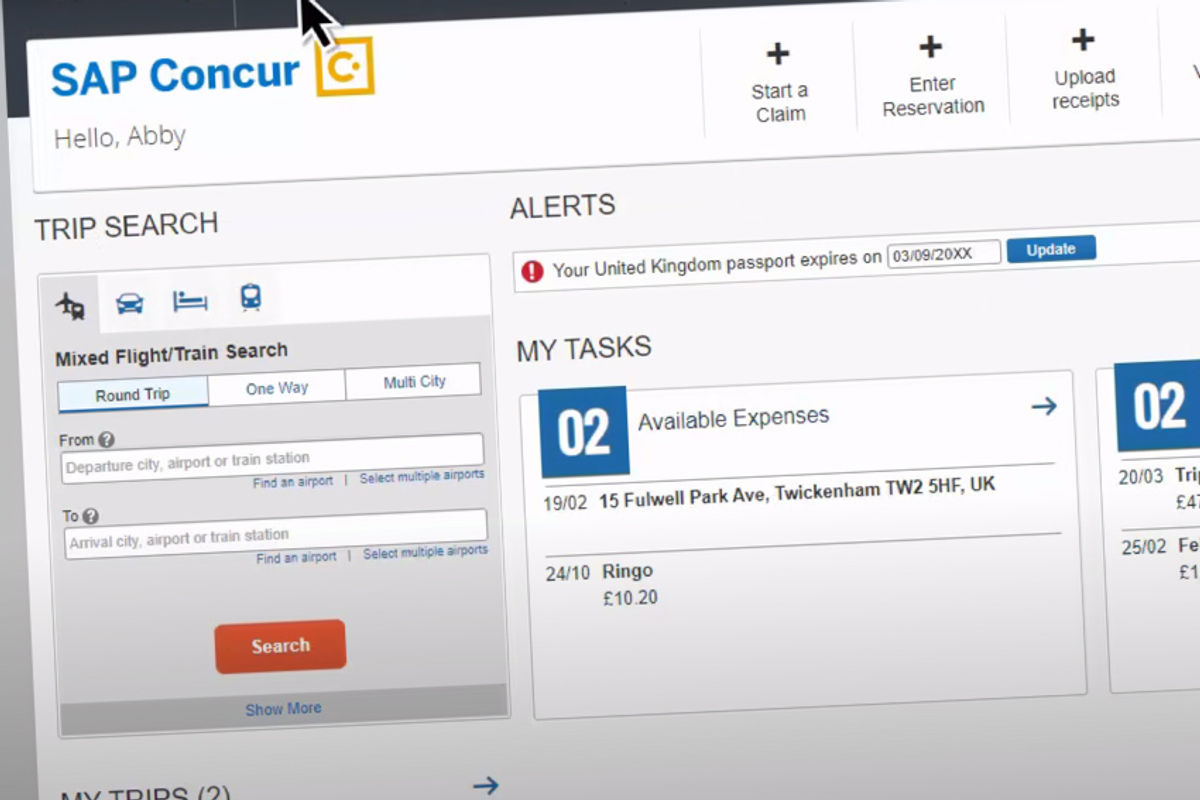
SAP Concur is one of the leading platforms for travel and expense management. It provides businesses with a unified solution that integrates booking, expense reporting, and policy compliance into one interface.
Companies using SAP Concur benefit from automated workflows that simplify the entire travel cycle. For instance, employees can book flights through the platform, and the system automatically records expenses, matches receipts, and applies company policies. This reduces the workload for finance departments while ensuring transparency.
Egencia
Egencia, a corporate travel management company owned by American Express Global Business Travel, focuses on offering a modern and user-friendly platform. It specializes in providing businesses with an online booking tool and powerful analytics.
What makes Egencia valuable is its emphasis on traveler experience. Employees can access real-time information about their trips, while managers gain insights into travel patterns and spending. This balance between user convenience and financial control makes Egencia a preferred choice for mid-sized to large enterprises.
TravelPerk

TravelPerk is a fast-growing corporate travel platform designed for flexibility and cost-effectiveness. It offers businesses the ability to manage bookings, cancellations, and expense tracking with ease.
A standout feature of TravelPerk is its flexible cancellation policy known as “FlexiPerk,” which allows companies to cancel trips and receive partial refunds. This is particularly beneficial in industries where last-minute changes are common, ensuring businesses don’t waste money on unused bookings.
Navan (formerly TripActions)
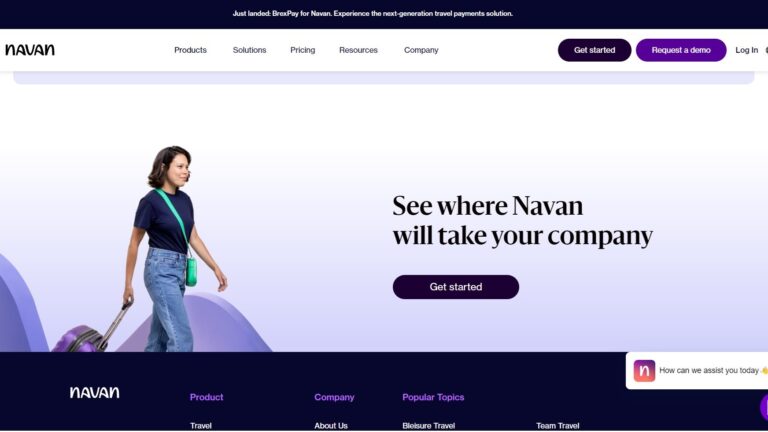
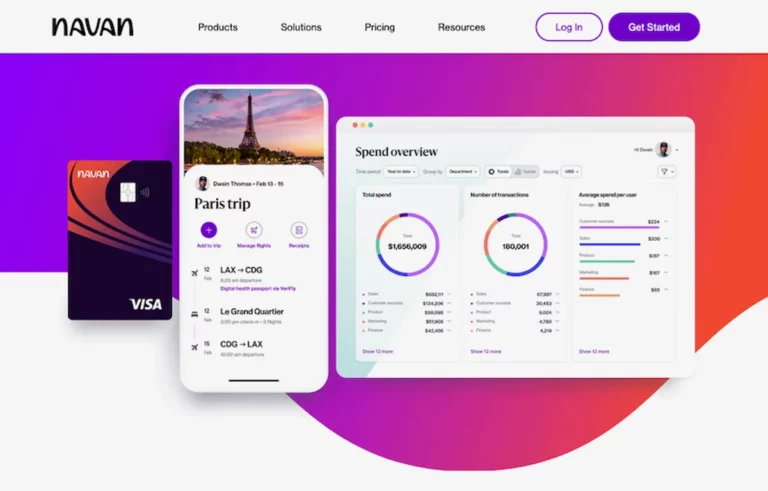
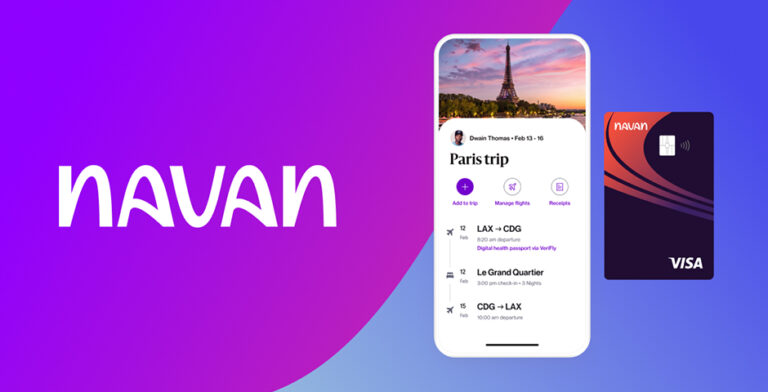
Navan provides a comprehensive travel and expense management solution that combines automation, artificial intelligence, and user-friendly design. Its mobile-first approach ensures that employees can manage bookings and expenses on the go.
Businesses using Navan appreciate the way the platform balances compliance with flexibility. The AI-driven recommendations help employees book cost-effective travel while staying within company policy, reducing the chances of overspending.
Benefits of Using Technology in Corporate Travel Management
The role of technology in corporate travel management cannot be overstated. Traditional travel booking through manual processes often leads to errors, missed opportunities, and excessive spending. Technology-driven solutions address these issues in multiple ways.
First, automation ensures accuracy. With expense reporting integrated into travel booking, employees no longer need to submit paper receipts or manually input expenses. Second, real-time data provides valuable insights. Companies can track travel trends, assess budget usage, and forecast future travel needs with precision.
Additionally, mobile accessibility enhances traveler convenience. Employees can access itineraries, request changes, and receive support through mobile apps, reducing stress and improving productivity. Technology also introduces safety features such as real-time alerts about travel disruptions, ensuring employee well-being.
Practical Use Cases of Corporate Travel Management Services
Cost Control and Budget Management

A major challenge for companies is managing rising travel costs. Corporate travel management services help businesses negotiate better rates with vendors, set travel budgets, and ensure compliance. For example, if a company has a spending cap for hotel stays, the system enforces this during booking, preventing overspending.
Policy Compliance and Risk Management
Insert image of the product format
Travel policy violations are common when employees book trips independently. Corporate travel management services enforce compliance by embedding policies into the booking process. This ensures that every ticket purchased and every hotel booked aligns with the company’s rules.
Additionally, these services improve duty of care by monitoring employee locations during travel. In case of emergencies, companies can track and assist employees quickly, minimizing risks.
Improving Employee Experience

While businesses focus on costs, employee satisfaction is equally important. Long travel processes, complex reimbursements, and last-minute changes can frustrate employees. Travel management services simplify booking, automate reimbursements, and provide real-time support, making corporate travel less stressful.
When employees are supported with user-friendly systems, they remain more productive and engaged, ultimately benefiting the organization.
Conclusion
Corporate travel management services have become essential for businesses that rely on frequent travel. They centralize booking, automate expense management, enforce compliance, and enhance both cost control and employee experience. By adopting advanced platforms such as SAP Concur, Egencia, TravelPerk, and Navan, organizations gain not only efficiency but also valuable insights into travel spending.
In an era where travel plays a key role in global business growth, investing in travel management services ensures organizations are prepared to handle the complexities of modern corporate mobility.
FAQ
1. What are corporate travel management services?
Corporate travel management services are solutions designed to help businesses manage travel bookings, expenses, policies, and reporting in a streamlined and efficient way.
2. How do corporate travel management services save money?
They save money by enforcing policy compliance, negotiating better vendor rates, automating expense tracking, and providing data insights to reduce unnecessary spending.
3. Which companies benefit most from these services?
Any company with frequent travel requirements benefits, but they are especially useful for mid-sized to large enterprises that need centralized systems to manage high volumes of bookings and expenses.