Corporate Travel Booking System: Complete Guide, Benefits, and Examples
Corporate travel is one of the most essential yet complex operations in business management. Organizations of all sizes, from startups to global enterprises, need to arrange flights, hotels, ground transportation, and related logistics for employees who travel on business. Without the right tools, this process becomes chaotic, costly, and difficult to control.
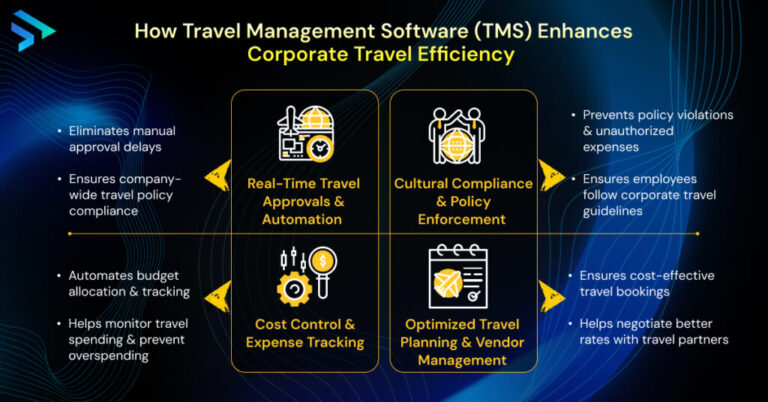
A corporate travel booking system solves this problem. It is a specialized software platform designed to simplify, automate, and centralize business travel planning. Unlike traditional consumer booking websites, these systems are tailored specifically for corporate needs, with features like expense tracking, policy compliance, approval workflows, and integration with accounting or HR systems.
By implementing a corporate travel booking system, businesses not only save money but also ensure that every trip follows company rules, budgets, and reporting standards.
How a Corporate Travel Booking System Works
At its core, a corporate travel booking system connects employees with a unified platform to book flights, hotels, rental cars, or trains. The system is configured with a company’s travel policies and approval structures so that employees can only book options that are pre-approved.
For example, if a company policy states that all employees must fly economy class unless otherwise authorized, the system will automatically prevent users from booking business class tickets. Similarly, if the maximum hotel allowance per night is $200, the system highlights only those hotels within the budget.
These platforms often integrate with Global Distribution Systems (GDS) such as Amadeus, Sabre, or Travelport, which aggregate inventory from airlines and hotels worldwide. This gives employees a wide selection of options while ensuring cost-effectiveness and compliance.
Key Benefits of Using a Corporate Travel Booking System
Streamlined Booking Process
Instead of navigating multiple websites or contacting travel agents, employees can manage all their travel needs in one platform. This reduces the time and effort spent on arranging trips.
Improved Policy Compliance
One of the major advantages is the enforcement of travel policies. Businesses can avoid overspending because the system filters out non-compliant choices.
Cost Savings and Expense Tracking
These systems often negotiate corporate rates with airlines and hotels. They also track expenses in real time, making it easier for finance teams to monitor and audit travel spending.
Enhanced Traveler Experience
Employees enjoy a smoother booking process with 24/7 access to reservations and mobile apps for managing trips on the go. This improves satisfaction and reduces stress during business travel.
Centralized Data and Reporting
Travel managers gain insights into travel patterns, costs, and frequent routes. These analytics help optimize future budgets and supplier negotiations.
Real-World Examples of Corporate Travel Booking Systems
SAP Concur
SAP Concur is one of the most recognized corporate travel booking systems worldwide. It offers end-to-end solutions for travel booking, expense management, and invoice tracking. Employees can book flights and hotels directly through Concur, while managers can approve requests within the platform.
What makes SAP Concur especially valuable is its deep integration with accounting and HR systems. This allows businesses to streamline expense reimbursements, eliminate paper receipts, and maintain a digital audit trail. The mobile app is also popular, enabling employees to manage bookings and submit expenses while traveling.
Egencia (an Expedia Group company)
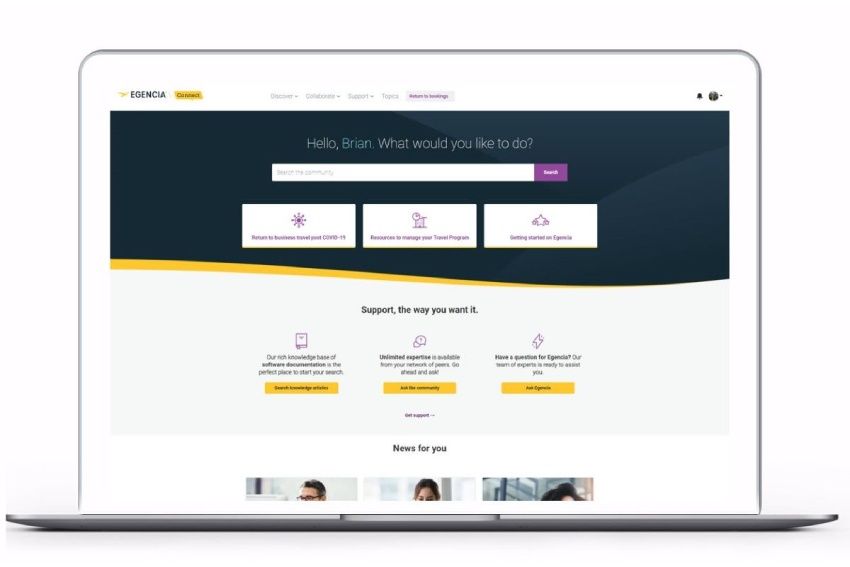
Egencia, owned by Expedia Group, is a corporate travel booking system designed for global businesses. It combines the convenience of consumer-level usability with enterprise-level control. Employees find its interface similar to consumer booking platforms, but it includes corporate policy filters and approval workflows.
Egencia’s strength lies in its data-driven insights. Travel managers can analyze spending trends and optimize vendor negotiations. It also offers strong customer support, which is critical for companies with frequent international travel.
TravelPerk

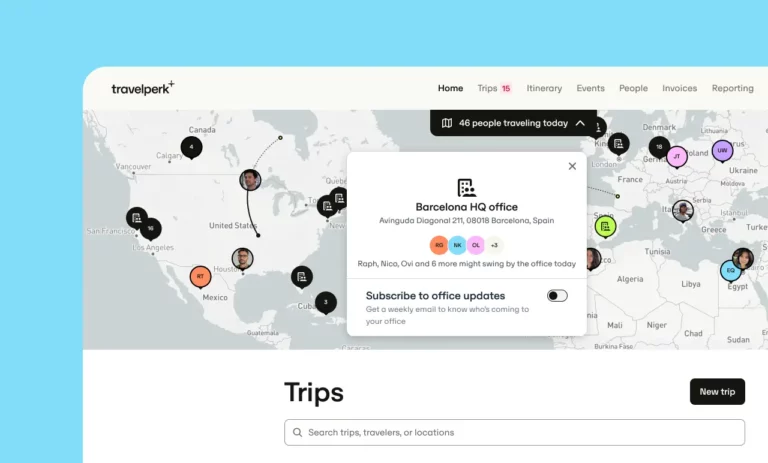
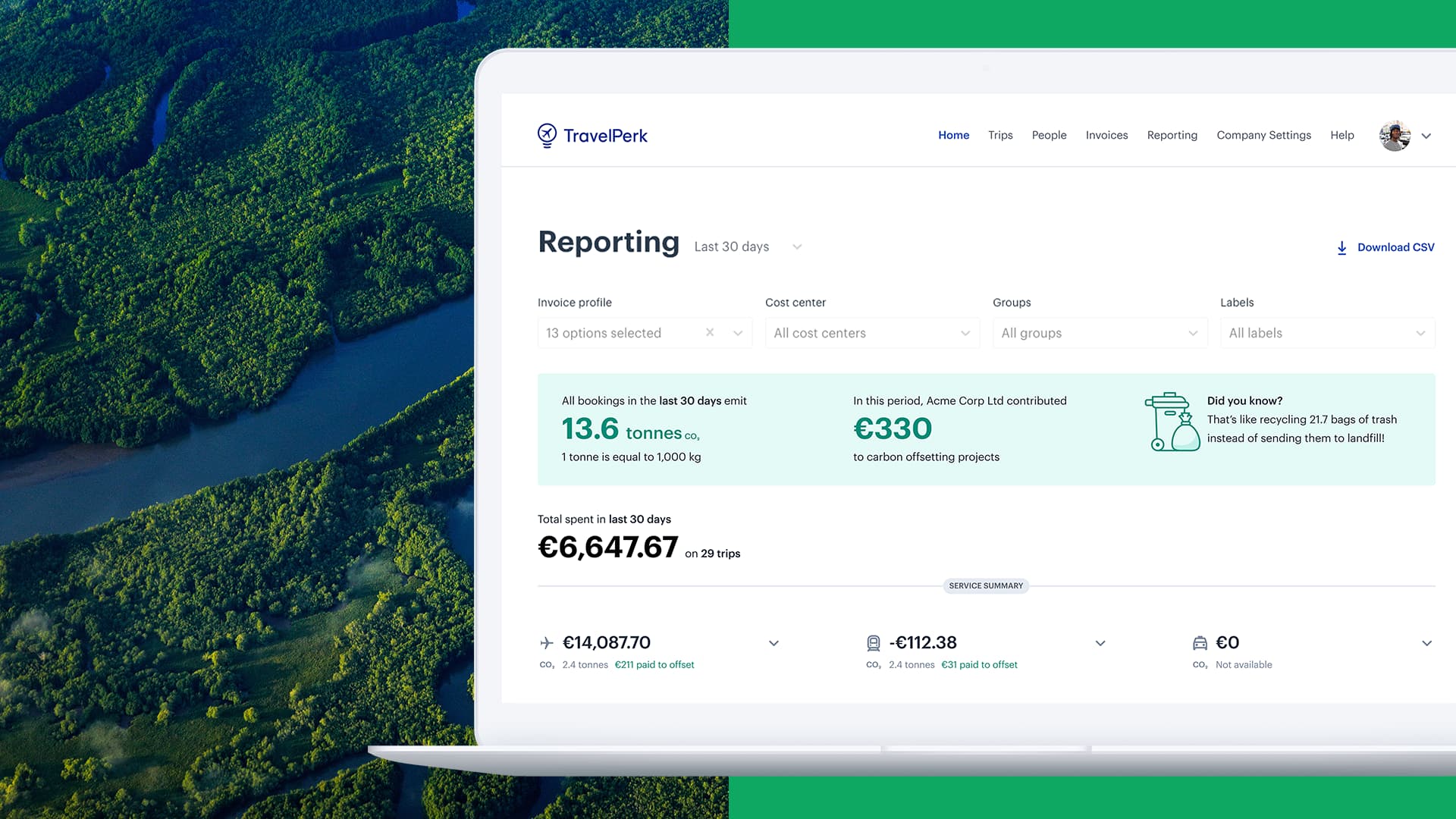
TravelPerk is a fast-growing corporate travel platform popular among small and mid-sized businesses. It stands out for its flexibility and modern interface. The system allows employees to book travel with minimal restrictions, but still provides managers with controls and visibility over spending.
One unique feature is TravelPerk’s sustainability-focused tools, such as carbon tracking and offset options. This is especially relevant for companies committed to environmental responsibility. In addition, TravelPerk offers a wide inventory of travel options and a simple cancellation policy through its “FlexiPerk” feature.
Amex GBT (American Express Global Business Travel)
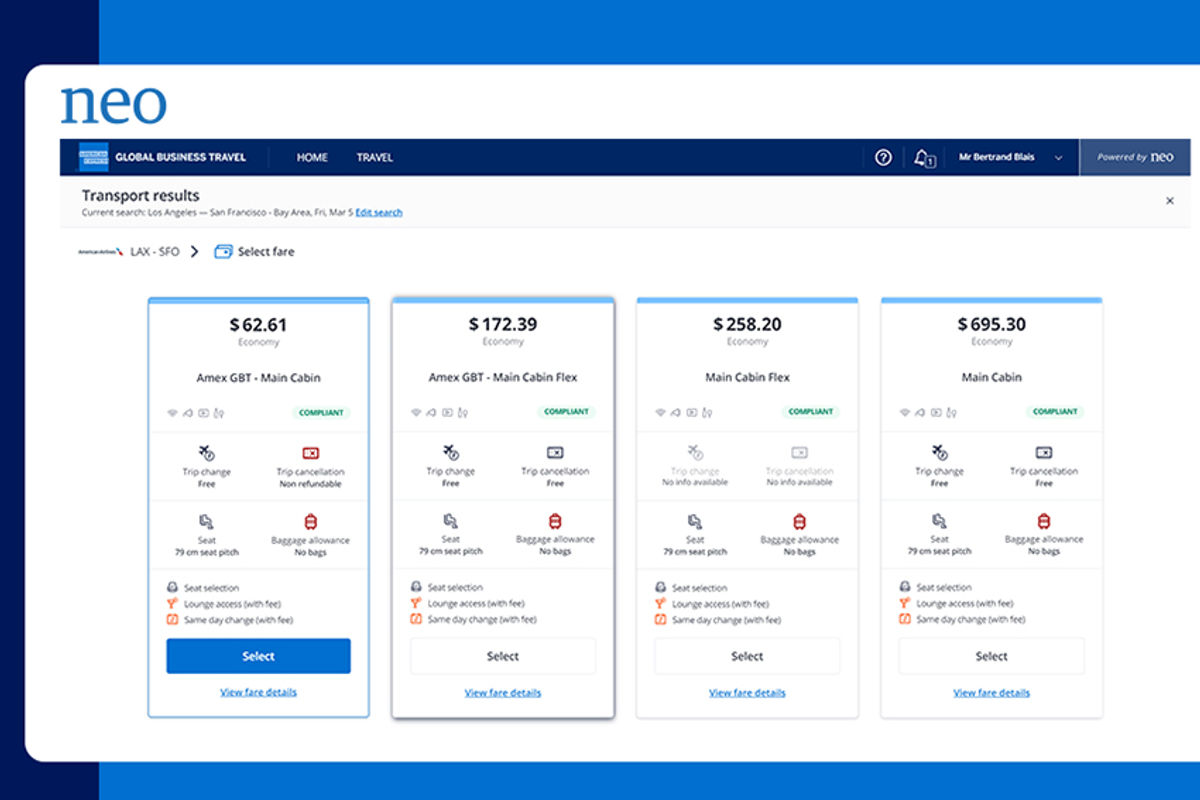
American Express Global Business Travel (Amex GBT) is one of the world’s largest corporate travel management companies. Its booking system is designed for large enterprises with complex travel needs.
Amex GBT combines technology with human support by offering not just a platform but also dedicated travel agents. Employees can book travel online or through personalized service, making it a hybrid model. This is particularly useful for multinational corporations handling frequent international trips with complex itineraries.
Practical Use Cases of Corporate Travel Booking Systems
Managing Travel for Large Teams
Imagine a company sending a sales team of 20 employees to an international trade fair. Without a corporate booking system, arranging flights and hotels would require endless coordination. With a centralized system, travel managers can book group tickets, apply company discounts, and ensure everyone stays in the same hotel within budget.
Controlling Travel Budgets
A mid-sized consulting firm might struggle with travel costs due to employees booking outside of company rules. By adopting a corporate travel booking system, the company enforces policies automatically, ensuring no one exceeds hotel allowances or books premium flights unnecessarily.
Enhancing Safety and Duty of Care
In today’s world, traveler safety is a top priority. Corporate booking systems provide real-time tracking and alerts. For example, if there is a sudden disruption like a flight cancellation or political unrest in a city, the system notifies both the traveler and the employer, ensuring quick responses.
Supporting Remote and Hybrid Teams
With many companies embracing hybrid work, employees may need to travel for quarterly meetings or project collaborations. A corporate travel booking system ensures these trips are managed efficiently, even when employees are spread across multiple cities or countries.
Frequently Asked Questions
1. What is the main purpose of a corporate travel booking system?
The main purpose is to streamline and centralize business travel arrangements while enforcing company policies. It saves costs, improves compliance, and makes the travel process more efficient for employees and managers.
2. How is a corporate travel booking system different from consumer travel websites?
Consumer travel websites are designed for individuals and focus on offering the cheapest options. Corporate systems, however, prioritize policy compliance, reporting, integration with company software, and cost control.
3. Which companies should use a corporate travel booking system?
Any company with frequent business travel can benefit. Small businesses gain efficiency and control, while large enterprises manage complex travel needs and global compliance.