Canadian World Heritage Sites: A Complete Guide to Canada’s UNESCO Treasures
Canada is home to some of the most breathtaking landscapes and historic landmarks in the world. Recognized by UNESCO, Canadian World Heritage Sites highlight both the cultural and natural heritage of the country. From majestic mountain ranges to ancient settlements, these sites tell the story of Canada’s diverse history and its commitment to protecting extraordinary places.
Understanding these heritage sites not only offers travelers a chance to explore unique destinations but also allows us to see how culture, history, and technology intersect to preserve them for future generations.
What Are Canadian World Heritage Sites?
World Heritage Sites are natural or cultural landmarks designated by UNESCO for their outstanding universal value. Canada, with its vast geography and rich history, hosts several of these globally recognized places. They range from the towering Rocky Mountains and historic forts to fossil-rich cliffs and sacred Indigenous sites.
Canadian World Heritage Sites serve multiple purposes: they safeguard ecosystems, preserve Indigenous traditions, and promote sustainable tourism. By exploring them, we gain a deeper appreciation of Canada’s unique role in world history and environmental stewardship.
The Cultural Importance of Canadian World Heritage Sites
Canada’s cultural heritage sites often reflect the nation’s Indigenous traditions, European influences, and the blending of diverse communities. These sites provide living proof of Canada’s evolving identity. Visiting them means connecting with stories of ancient peoples, colonial expansion, and industrial innovation.
Cultural heritage is not only about preserving artifacts but also about keeping traditions alive. Canadian World Heritage Sites help ensure that oral histories, rituals, and community practices continue to thrive in the modern age.
The Natural Significance of Canadian World Heritage Sites
Natural World Heritage Sites in Canada are among the most awe-inspiring places on Earth. These regions are critical for biodiversity conservation, climate research, and environmental education. By recognizing them as UNESCO sites, Canada underscores its responsibility to protect these ecosystems from exploitation and degradation.
These natural wonders also contribute to scientific discoveries, such as understanding glacial movement, fossil records, and the effects of climate change on delicate ecosystems.
Real-World Examples of Canadian World Heritage Sites
Banff and Jasper National Parks (Canadian Rocky Mountain Parks)

Banff and Jasper, part of the Canadian Rocky Mountain Parks, are perhaps the most famous natural World Heritage Sites in Canada. They attract millions of visitors annually who come to hike, ski, and explore stunning landscapes. Beyond tourism, these parks are essential for protecting rare species like the grizzly bear and maintaining the ecological balance of the Rockies.
The parks also serve as a living laboratory for scientists studying glaciers and climate change. By visiting, travelers support conservation while experiencing nature at its grandest.
L’Anse aux Meadows, Newfoundland and Labrador

L’Anse aux Meadows is the first known European settlement in North America, established by the Vikings around the year 1000. This site is living proof that transatlantic exploration began centuries before Columbus.
Archaeological discoveries at L’Anse aux Meadows, including sod houses and iron-working remains, give us a glimpse into Norse exploration and adaptation. It holds immense historical significance, linking Canada to early European exploration and global maritime history.
Old Québec, Quebec City
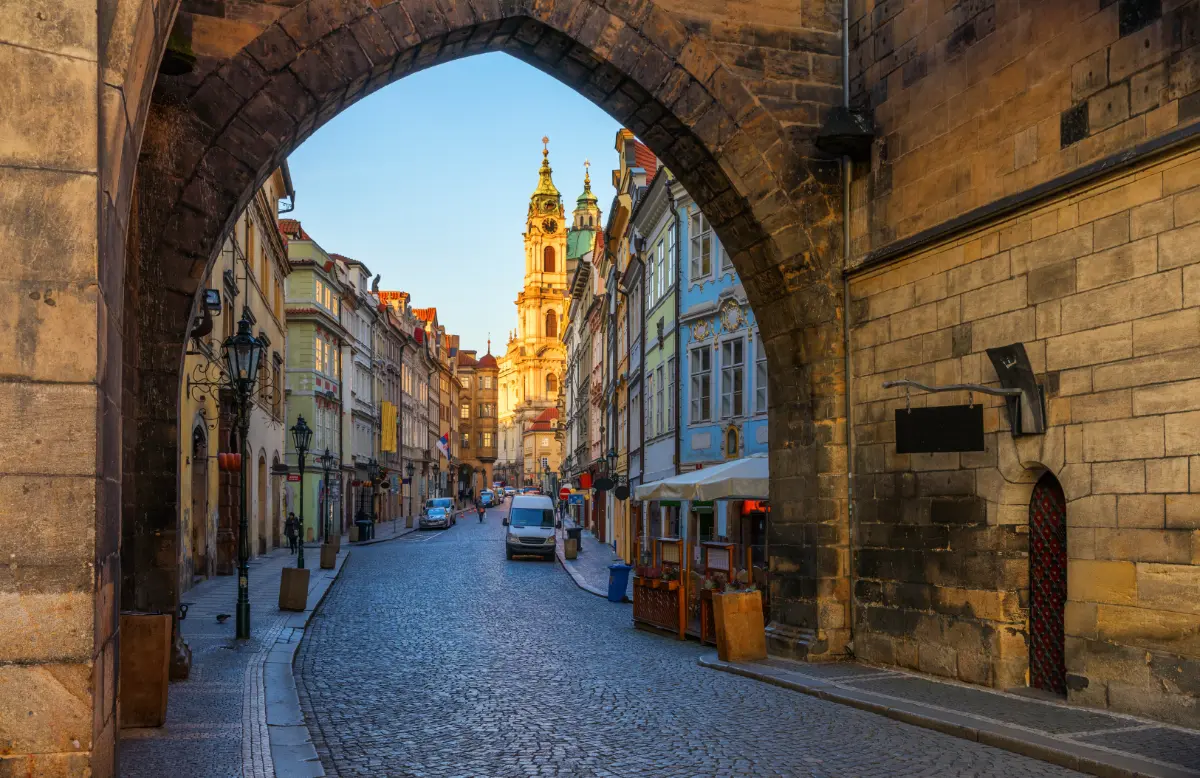
Old Québec is a cultural jewel that reflects Canada’s French colonial heritage. It is the only walled city north of Mexico and remains remarkably preserved. Walking through Old Québec feels like stepping back into the 17th century, with its historic architecture, charming squares, and lively markets.
As a UNESCO site, Old Québec represents not only architectural beauty but also cultural resilience. It symbolizes the endurance of French-Canadian traditions and their ongoing role in shaping Canada’s bilingual identity.
Head-Smashed-In Buffalo Jump, Alberta
Head-Smashed-In Buffalo Jump is a powerful reminder of Indigenous ingenuity and cultural traditions. For over 6,000 years, Indigenous peoples of the plains used this site to drive herds of buffalo over cliffs, ensuring food, clothing, and tools for their communities.
Today, the site includes an interpretive center that shares Indigenous knowledge, storytelling, and archaeology. It emphasizes how deeply connected Canada’s First Nations are to the land and how traditional practices reflect sustainability and survival.
Gros Morne National Park, Newfoundland
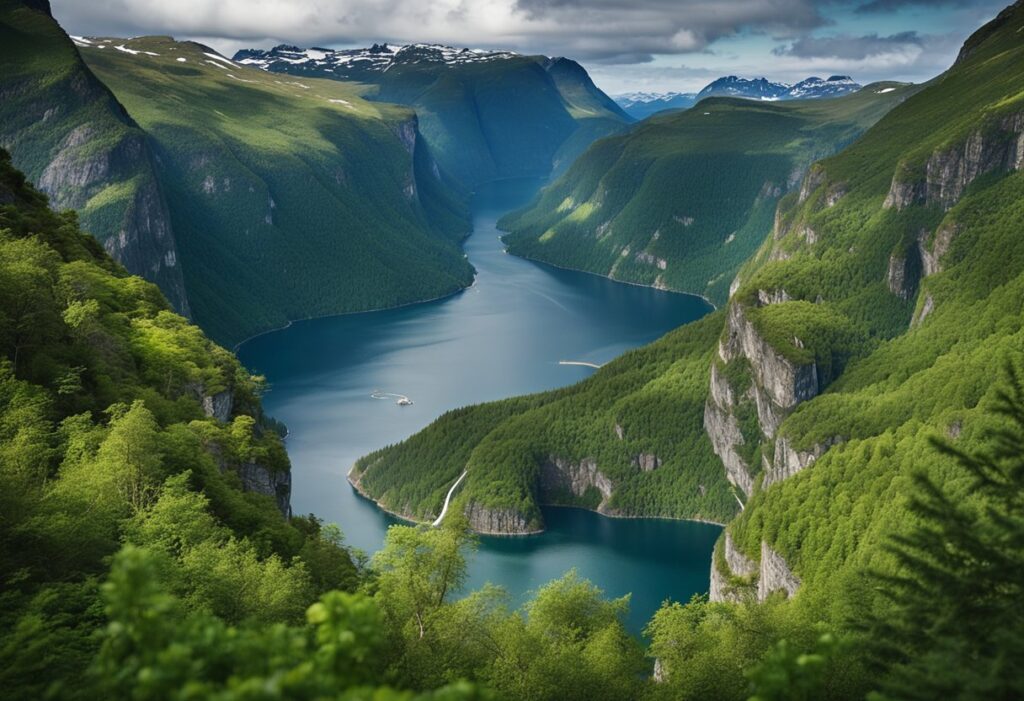
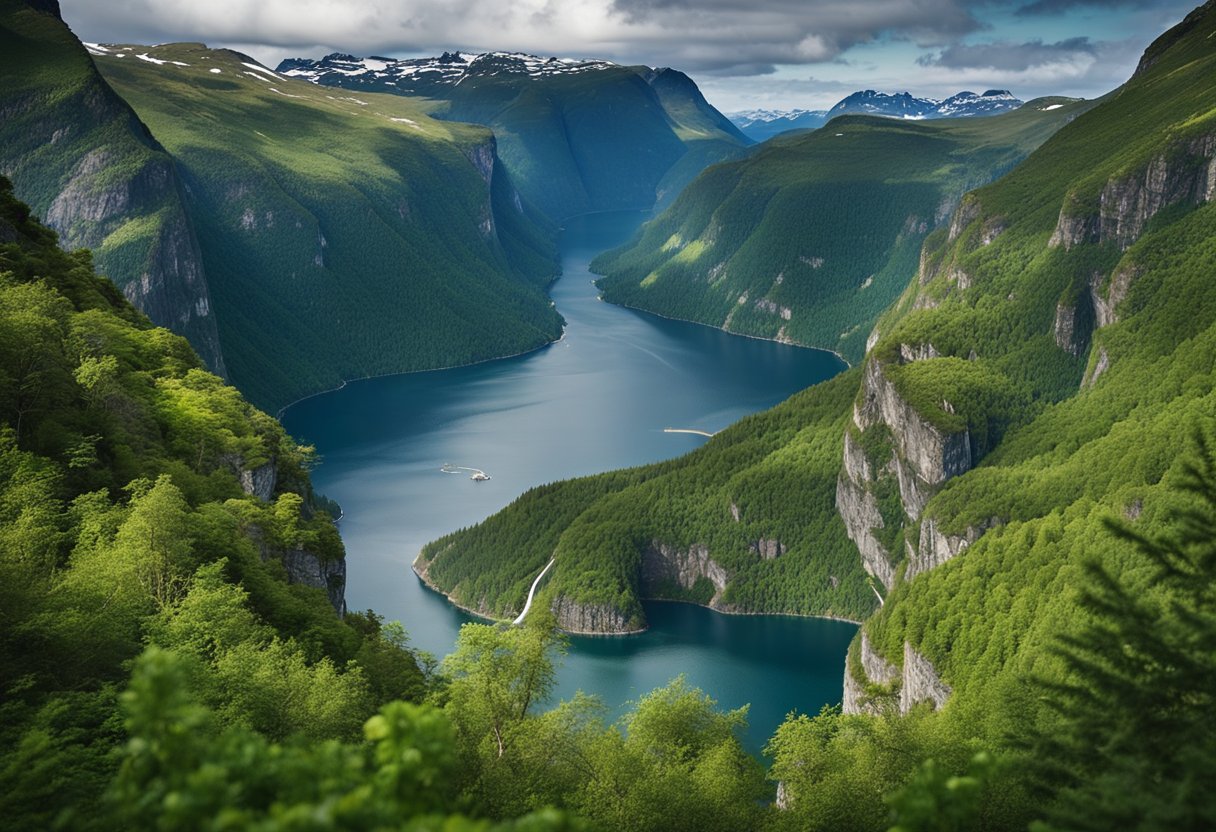
Gros Morne National Park is not just beautiful, it’s scientifically invaluable. Its exposed rock formations provide some of the best evidence of plate tectonics and continental drift. Visitors marvel at dramatic fjords carved by glaciers, waterfalls cascading from cliffs, and rugged coastlines shaped by time.
Beyond its natural beauty, Gros Morne represents a living classroom where geologists and ecologists conduct research. It embodies the link between science, conservation, and public education.
Benefits of Preserving Canadian World Heritage Sites
Canadian World Heritage Sites are more than tourist attractions; they bring lasting benefits to local communities, the environment, and global heritage.
- Cultural Preservation: Protecting Indigenous traditions and historic architecture ensures cultural diversity remains alive for future generations.
- Environmental Protection: UNESCO sites safeguard fragile ecosystems from industrial exploitation and climate threats.
- Educational Value: These sites act as outdoor classrooms where people can learn about history, geology, and ecology.
- Economic Growth: Sustainable tourism generates jobs and supports local businesses without compromising heritage protection.
- Scientific Research: Sites like Gros Morne and the Rockies advance global understanding of geology and climate.
Practical Use Cases of Canadian World Heritage Sites
Canadian World Heritage Sites solve several real-world problems by balancing preservation with modern needs.
- Addressing Climate Change: Parks like Banff and Jasper provide critical research opportunities for studying glacial retreat, helping scientists understand global warming.
- Supporting Indigenous Communities: Sites such as Head-Smashed-In Buffalo Jump empower Indigenous peoples to share their traditions and strengthen cultural identity.
- Promoting Sustainable Tourism: Old Québec and Gros Morne illustrate how tourism can thrive without sacrificing heritage. This balance serves as a global model.
- Fostering Global Awareness: L’Anse aux Meadows connects Canada to world history, showing that globalization and exploration began centuries ago.
These use cases prove that heritage conservation is not about the past alone—it is about shaping the future.
Frequently Asked Questions
1. How many World Heritage Sites are there in Canada?
Canada currently has over 20 UNESCO World Heritage Sites, including both natural wonders like the Canadian Rockies and cultural landmarks such as Old Québec.
2. Why are Canadian World Heritage Sites important?
They are important because they preserve ecosystems, Indigenous traditions, and historical landmarks of global significance. They also contribute to education, tourism, and research.
3. Can anyone visit Canadian World Heritage Sites?
Yes, most sites are open to the public. However, some areas may have restrictions to protect fragile environments or sacred Indigenous spaces. Visitors are encouraged to practice responsible tourism.