Bulguksa Temple: History, Architecture, and Cultural Significance in Korea
Bulguksa Temple is one of the most iconic and historically significant Buddhist temples in South Korea. Located in Gyeongju, the ancient capital of the Silla Kingdom, this temple is widely regarded as the spiritual heart of Korean Buddhism and a masterpiece of Buddhist architecture. Recognized as a UNESCO World Heritage Site, Bulguksa Temple draws millions of visitors each year who come to admire its artistic splendor, learn about its deep spiritual meaning, and experience a unique cultural heritage.
Built in 528 CE during the Silla Dynasty, Bulguksa Temple stands as a testimony to Korea’s Golden Age of Buddhism. The temple has endured centuries of change, destruction, and reconstruction, yet it continues to embody the cultural and spiritual essence of Korean society. For both pilgrims and travelers, Bulguksa Temple is not only a religious site but also a place of inspiration, reflection, and learning.
The Historical Significance of Bulguksa Temple
Bulguksa Temple was commissioned during the reign of King Beopheung, when Buddhism was declared the official religion of the Silla Kingdom. Later expansions under King Gyeongdeok and the patronage of Kim Daeseong in the 8th century solidified its grandeur as a national temple.
Its construction symbolized the merging of Buddhist beliefs with the political power of the Silla rulers. The temple was meant to embody the Buddhist utopia, representing the Pure Land where spiritual enlightenment could be attained. Over centuries, Bulguksa became not only a center of worship but also a hub for cultural and intellectual activities.
Despite being burned down during the Imjin War in the late 16th century, the temple was restored several times, most notably during the Joseon Dynasty and again in the 20th century. Today, it stands as a cultural monument that connects modern Korea with its ancient roots.
Architectural Marvels of Bulguksa Temple
Bulguksa Temple is celebrated for its architectural harmony and symbolic design. Its structures are not merely functional; they reflect deep Buddhist teachings and cosmology. Some of the most renowned elements include:
Dabotap and Seokgatap Pagodas
These twin pagodas are national treasures of Korea. Dabotap, with its intricate details, symbolizes the complexity of Buddhist teachings, while Seokgatap represents simplicity and clarity. The balance between the two pagodas reflects the dual nature of enlightenment.
The Stone Bridges
Cheongungyo and Baegungyo bridges lead visitors from the secular world into the sacred temple grounds. The bridges are symbolic of crossing over to enlightenment, reminding pilgrims of the journey from suffering to spiritual liberation.
The Main Halls
Daeungjeon (Hall of Great Enlightenment) houses the Sakyamuni Buddha, and craftsmen dedicated other halls like Geungnakjeon and Museoljeon to different aspects of Buddhist philosophy. Silla artisans adorned each hall with intricate carvings, paintings, and statues that showcase their artistic mastery.
Bulguksa Temple as a UNESCO World Heritage Site
In 1995, Bulguksa Temple was inscribed as a UNESCO World Heritage Site along with the nearby Seokguram Grotto. This recognition underscores its global importance as a cultural and spiritual landmark. UNESCO highlighted its architectural brilliance, historical value, and role in spreading Buddhism across East Asia.
Bulguksa Temple’s preservation is also a reflection of Korea’s dedication to safeguarding its heritage. The site is meticulously maintained, ensuring that future generations can continue to experience its timeless beauty. For visitors, the designation as a World Heritage Site adds another layer of appreciation and respect for the temple’s enduring legacy.
Real-World Examples of Bulguksa Temple’s Influence
Seokguram Grotto

The Silla Dynasty built Seokguram Grotto, a man-made cave temple near Bulguksa, and placed a massive seated Buddha statue inside to represent deep meditation and spiritual awakening.
Together with Bulguksa, the grotto demonstrates the integration of art, religion, and science in ancient Korea. The grotto was engineered with remarkable precision, allowing natural ventilation and optimal lighting to enhance the Buddha’s serene expression.
Jogyesa Temple in Seoul
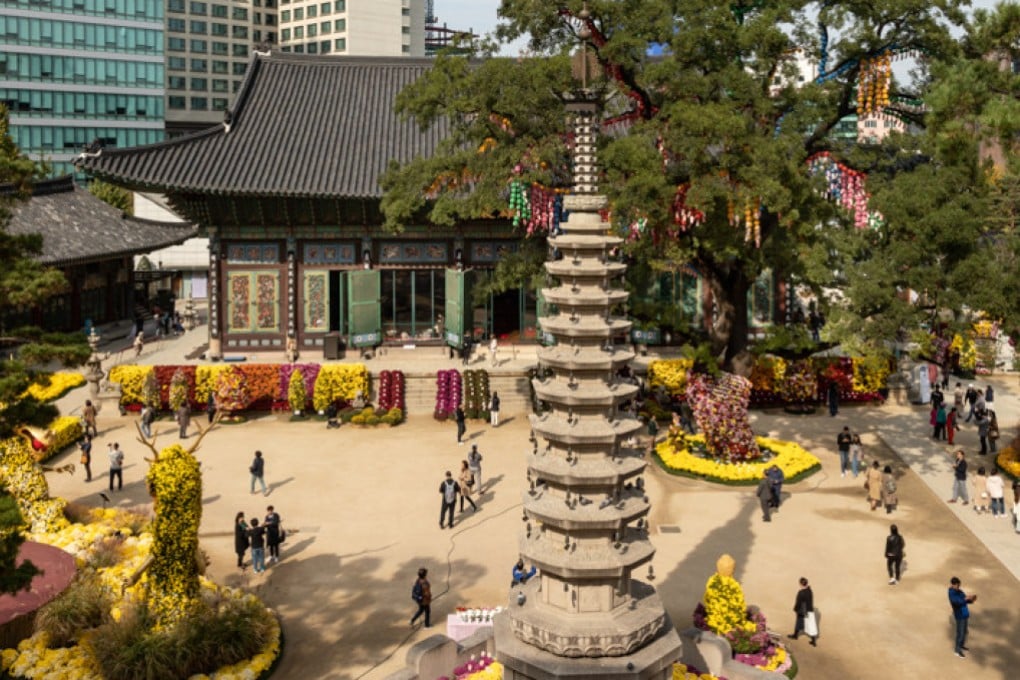
Jogyesa Temple, the headquarters of Korean Buddhism’s Jogye Order, reflects architectural and symbolic elements that originated from Bulguksa Temple. While more modern in construction, Jogyesa continues Bulguksa’s tradition of combining artistic beauty with spiritual practice. Pilgrims who cannot visit Gyeongju often find Jogyesa a spiritual extension of Bulguksa’s teachings.
Modern Cultural Events in Gyeongju

The annual Gyeongju Lantern Festival draws inspiration from Buddhist traditions preserved at Bulguksa Temple. Lanterns symbolize the light of wisdom dispelling ignorance, a core Buddhist belief. These cultural events connect Bulguksa’s ancient heritage with modern celebrations, ensuring that its message remains alive in contemporary Korean society.
Korean Buddhist Art in Museums

Many museums around the world, such as the National Museum of Korea, feature artifacts from Bulguksa Temple. Sculptures, paintings, and relics serve as educational tools, allowing global audiences to appreciate the artistry and philosophy of Silla Buddhism. These exhibits preserve the legacy of Bulguksa and demonstrate its global impact on art history.
Benefits of Preserving and Studying Bulguksa Temple
Bulguksa Temple is not just a tourist attraction; it offers practical and cultural benefits that extend beyond its spiritual significance.
First, the temple serves as a bridge between the past and present. By studying its architecture and symbolism, scholars and visitors gain insights into how Buddhism shaped Korean identity. This historical continuity strengthens national pride and cultural awareness.
Second, Bulguksa Temple promotes intercultural understanding. International visitors experience firsthand the beauty and wisdom of Korean Buddhism, fostering greater appreciation for Asian heritage. Such exchanges contribute to global cultural diplomacy.
Third, the temple supports mental well-being. Walking through its tranquil halls and gardens provides a meditative experience, helping visitors find peace in a fast-paced modern world. The integration of nature and architecture encourages mindfulness, making Bulguksa not only a historical site but also a sanctuary for the soul.
Practical Use Cases of Bulguksa Temple in a Modern Context
A Place of Education
Bulguksa Temple is frequently visited by students and scholars who study its architecture, history, and symbolism. Educational programs and guided tours provide deeper knowledge about Buddhism and Korean heritage, making it a living classroom.
A Center for Spiritual Retreats
The temple offers temple-stay programs where participants can experience Buddhist monastic life. Through meditation, chanting, and communal living, individuals gain personal insights and practical tools for stress management and spiritual growth.
A Source of Inspiration for Artists
Artists, writers, and photographers draw inspiration from Bulguksa’s intricate designs and serene landscapes. The temple’s harmony of nature and architecture fuels creativity, leading to new forms of expression in modern art and literature.
A Symbol of National Identity
For Koreans, Bulguksa represents resilience and cultural pride. Its survival through wars and reconstructions demonstrates the enduring spirit of the nation. By visiting the temple, citizens reconnect with their history and values.
Frequently Asked Questions
What is Bulguksa Temple famous for?
Bulguksa Temple is famous for its stunning Buddhist architecture, national treasures like Dabotap and Seokgatap pagodas, and its designation as a UNESCO World Heritage Site. It is also a spiritual center that reflects the height of the Silla Dynasty culture.
Can visitors participate in activities at Bulguksa Temple?
Yes, visitors can join temple-stay programs, guided tours, and cultural events. These activities offer a chance to experience Buddhist traditions, meditation practices, and Korean heritage in a hands-on way.
Why is Bulguksa Temple considered a national treasure?
Bulguksa Temple is considered a national treasure because it preserves the artistry, philosophy, and spirituality of ancient Korea. Its architectural innovations and symbolic significance make it a masterpiece of world heritage.