Bath World Heritage: History, Architecture, and Cultural Significance
The city of Bath in Somerset, England, is recognized globally as a UNESCO World Heritage Site. Its status reflects not only its Roman origins and the world-famous Roman Baths but also its outstanding Georgian architecture and cultural importance. Bath represents a rare fusion of natural hot springs, human engineering, and elegant city planning.
Declared a World Heritage Site in 1987, Bath stands as one of the finest examples of urban cultural heritage in Europe. It embodies centuries of history, architectural brilliance, and an enduring reputation as a place of healing and leisure.
The Origins of Bath: Roman and Pre-Roman Roots
Bath’s story begins long before UNESCO recognition. Archaeological evidence shows that the hot springs of Bath were used by the Celts, who dedicated the waters to the goddess Sulis. When the Romans arrived in Britain, they constructed an extensive bathing complex around the springs, blending their own goddess Minerva with Sulis, creating a sacred healing sanctuary.
The Roman Baths remain one of the best-preserved examples of Roman engineering in Britain. Visitors can still explore the Great Bath, temple remains, and ancient artifacts, which reveal the city’s early role as a center of health, spirituality, and community.
Bath’s Georgian Architecture and City Planning
In the 18th century, Bath underwent a transformation that shaped its current identity. Wealthy patrons and visionary architects like John Wood the Elder and John Wood the Younger introduced a style of urban planning that emphasized symmetry, grandeur, and harmony.
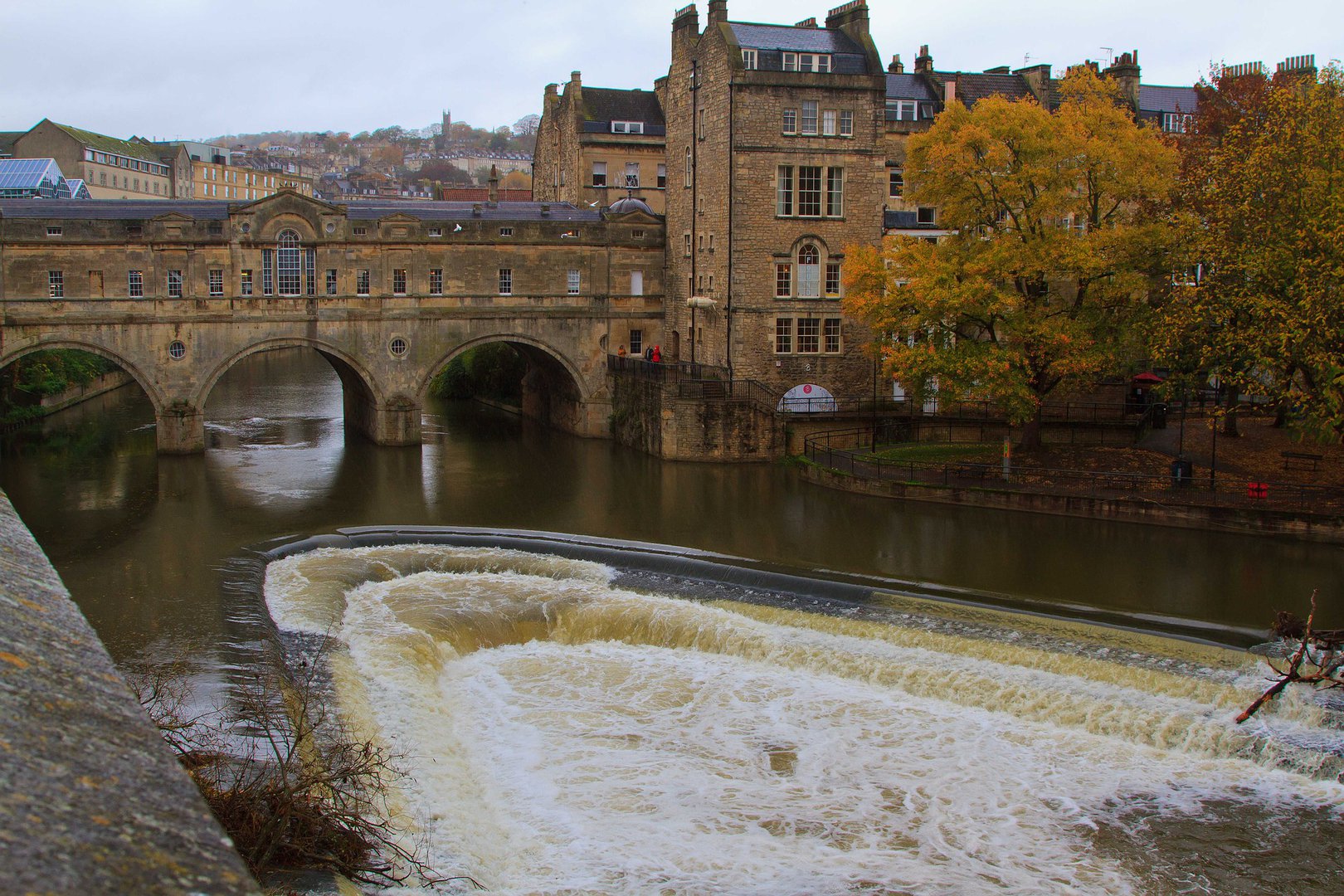
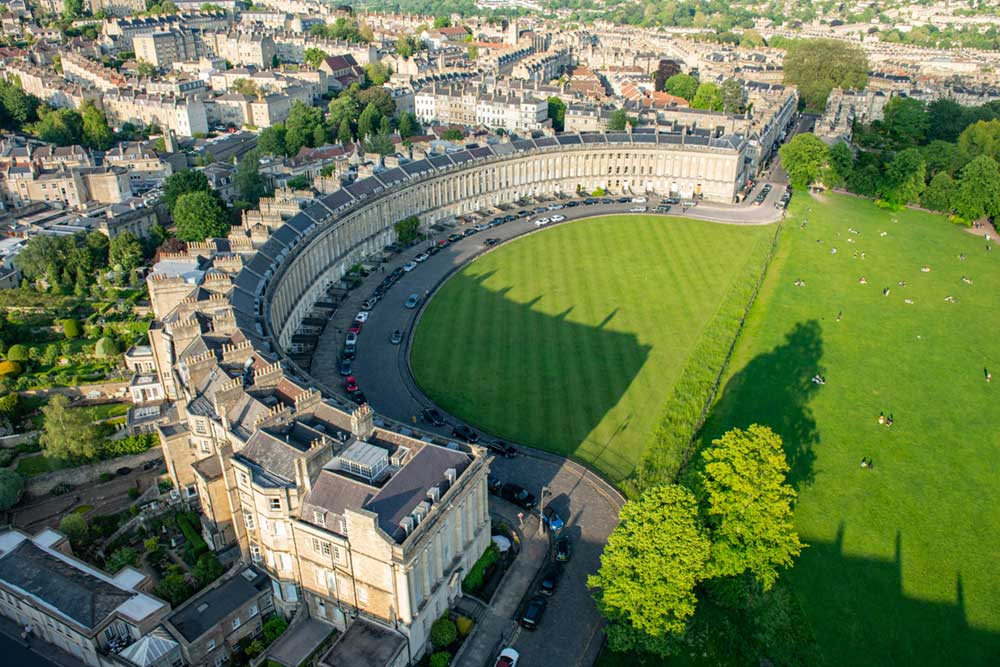
Iconic structures such as the Royal Crescent, the Circus, and Pulteney Bridge highlight the city’s Georgian legacy. These developments established Bath as a fashionable resort city, attracting nobility and literary figures such as Jane Austen. Today, this architectural harmony is one of the main reasons UNESCO awarded Bath World Heritage status.
Cultural Significance and Literary Connections
Bath’s cultural heritage extends beyond its architecture and Roman past. It has been immortalized in literature, particularly in the works of Jane Austen, who lived in the city and depicted its social life in novels like Northanger Abbey and Persuasion.
Furthermore, Bath remains a hub for arts and culture. Its theaters, museums, and annual festivals celebrate music, literature, and design. This cultural continuity underscores the city’s role not only as a historic treasure but also as a living center of creativity.
Real-World Examples of Bath’s World Heritage in Action
Roman Baths

The Roman Baths are Bath’s most renowned landmark and provide direct insight into Roman engineering and daily life. The complex demonstrates how ancient civilizations harnessed natural resources for health and leisure. Today, they serve as a major educational site, connecting modern audiences with the ancient world.
The Royal Crescent

The Royal Crescent, built in the 18th century, epitomizes Georgian architecture. This sweeping curve of townhouses not only reflects aesthetic ideals but also symbolizes social hierarchy, as it was originally home to the wealthy elite. Preservation of this structure ensures that visitors can witness the grandeur of 18th-century Britain.
Bath Abbey
Bath Abbey stands as a symbol of the city’s spiritual heritage. With its intricate fan vaulting and stained glass windows, the abbey tells the story of religious transformation across centuries. It remains an active place of worship and a cultural landmark, hosting concerts and exhibitions.
Pulteney Bridge
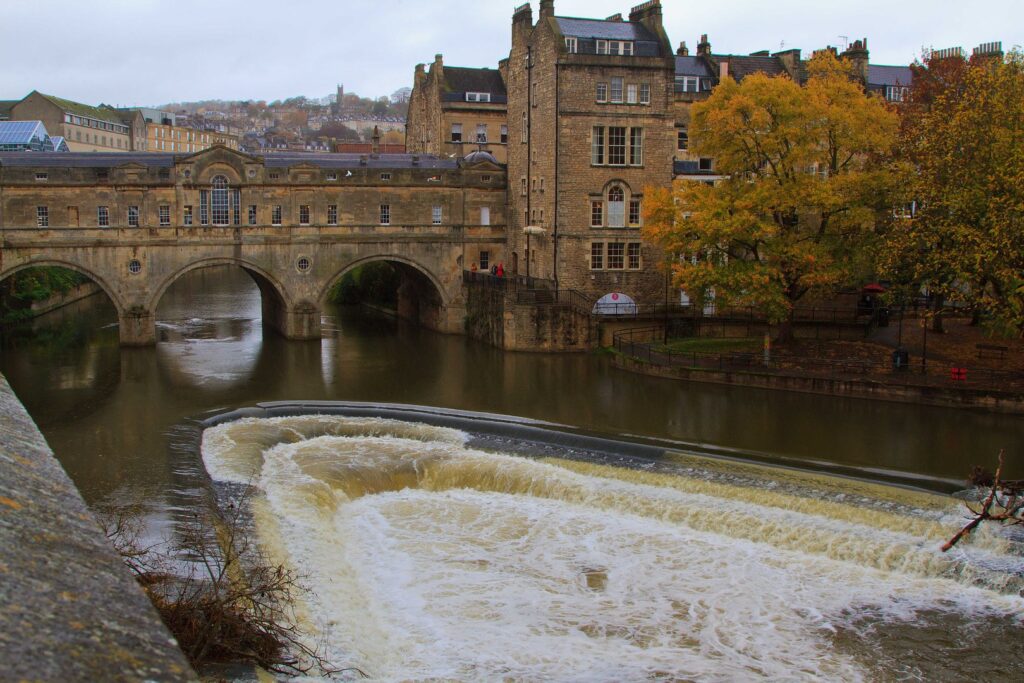
One of the few bridges in the world with shops on both sides, Pulteney Bridge is a masterpiece of design and utility. Built in 1774, it remains an example of how infrastructure can be both functional and artistic. Its continued preservation demonstrates the balance between historical integrity and modern use.
Benefits of Bath’s World Heritage Recognition
The UNESCO World Heritage designation brings multiple benefits to Bath. First, it ensures global recognition of the city’s cultural and historical value, encouraging investment in preservation. Second, it enhances tourism, attracting millions of visitors each year who contribute to the local economy.
Beyond financial gains, World Heritage recognition fosters educational opportunities. Schools, universities, and researchers can use Bath as a case study for architecture, urban planning, archaeology, and heritage management. Additionally, residents gain a deeper sense of identity and pride in their city’s legacy.
Use Cases of Bath World Heritage in Modern Life
Educational Resource
Bath serves as a living classroom for students of history, architecture, and archaeology. Guided tours, museums, and interactive exhibits allow learners to experience history first-hand, bridging the gap between theory and practice.
Tourism and Economic Growth
Tourism based on Bath’s heritage supports local businesses, from hotels and restaurants to artisanal shops. This heritage-driven economy demonstrates how cultural preservation and financial sustainability can coexist.
Inspiration for Urban Development
Bath’s approach to city planning has influenced modern urban design. By balancing functionality with beauty, Bath provides a model for how cities today can integrate heritage with growth.
Frequently Asked Questions
1. Why is Bath a World Heritage Site?
Bath was designated a UNESCO World Heritage Site in 1987 due to its Roman remains, Georgian architecture, natural hot springs, and cultural significance. It represents an exceptional example of human interaction with natural resources and urban planning.
2. Can visitors still use the hot springs in Bath?
While the original Roman Baths are preserved as a historic site, modern visitors can experience the hot springs at the Thermae Bath Spa, which provides a contemporary way to enjoy Bath’s natural waters.
3. What makes Bath unique compared to other heritage cities?
Bath is unique because it seamlessly combines multiple layers of heritage: ancient Roman engineering, medieval spirituality, Georgian architecture, and a vibrant cultural life. Few cities offer such a diverse yet harmonious blend of history and modernity.