All UNESCO Sites: Complete Guide to World Heritage Wonders
UNESCO sites are some of the most fascinating and important landmarks on Earth. They represent cultural achievements, natural wonders, and places of outstanding universal value. Understanding all UNESCO sites is not only about travel but also about appreciating global heritage, history, and conservation efforts.
In this guide, we’ll explore what UNESCO World Heritage Sites are, why they matter, highlight top examples, and provide deep insights into their relevance today.
Understanding UNESCO World Heritage Sites
The United Nations Educational, Scientific, and Cultural Organization (UNESCO) created the World Heritage list in 1972 to safeguard sites of exceptional cultural and natural importance. These sites are considered treasures for all of humanity, transcending national boundaries and belonging to everyone.
The list today includes over 1,100 sites across more than 160 countries, covering everything from ancient cities and sacred temples to unique ecosystems and geological formations. Each site is carefully evaluated based on strict criteria such as authenticity, integrity, cultural value, and environmental significance.
Being listed as a UNESCO site carries international recognition and protection, helping ensure preservation for future generations.
Categories of UNESCO Sites
UNESCO World Heritage Sites fall into three main categories, each reflecting a different aspect of human achievement or natural beauty.
Cultural Sites
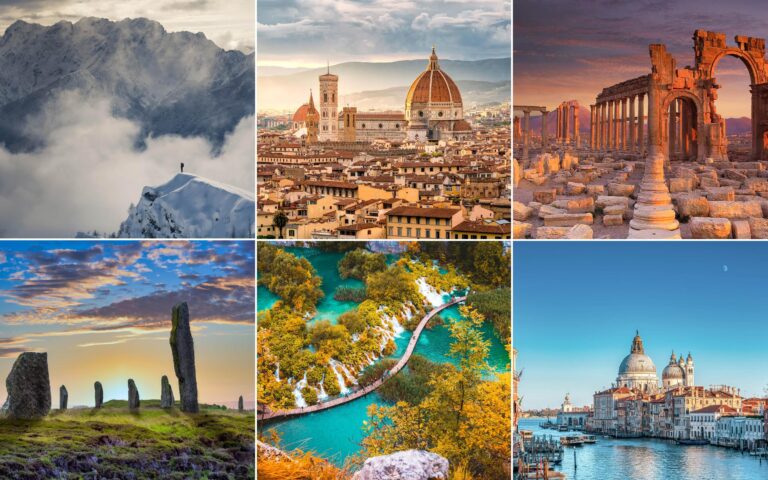
Cultural sites highlight human history, architecture, traditions, and artistic achievements. They often include historic cities, monuments, archaeological remains, and cultural landscapes. Examples include the Great Wall of China, the Pyramids of Giza, and the Historic Centre of Florence.
Cultural heritage is not just about monuments; it also reflects the identity, creativity, and continuity of civilizations. By protecting these places, UNESCO safeguards human stories and achievements that shape our collective memory.
Natural Sites
Natural sites focus on extraordinary natural phenomena, habitats, and landscapes. These areas showcase biodiversity, ecosystems, and geological processes that hold global significance. Famous natural UNESCO sites include the Great Barrier Reef in Australia and Yellowstone National Park in the United States.
They serve as benchmarks for environmental conservation, providing lessons on how ecosystems evolve and why preserving them is vital for survival.
Mixed Sites
Some UNESCO sites combine cultural and natural values. Machu Picchu in Peru, for example, blends ancient Incan civilization with breathtaking Andean landscapes. These sites highlight the deep connection between human development and natural environments.
Why UNESCO Sites Matter
UNESCO sites are far more than tourist destinations; they are living legacies of culture, science, and nature. Their importance can be broken down into several key benefits.
Cultural Identity and Education
They provide direct links to humanity’s past, offering insights into civilizations, art, architecture, and traditions. Students, researchers, and travelers gain educational value through firsthand exposure to world history.
Conservation of Nature
Natural UNESCO sites protect endangered species, rare habitats, and ecosystems. They serve as global laboratories for biodiversity preservation and climate change research.
Tourism and Local Economy
Heritage status often boosts tourism, generating economic benefits for local communities. However, UNESCO also stresses sustainable tourism practices to avoid damage to fragile sites.
International Cooperation
The protection of UNESCO sites fosters collaboration across borders. Countries work together to conserve shared heritage and learn best practices in preservation.
Real-World Examples of UNESCO Sites
To understand the value of all UNESCO sites, let’s examine a few globally recognized examples.
Machu Picchu, Peru
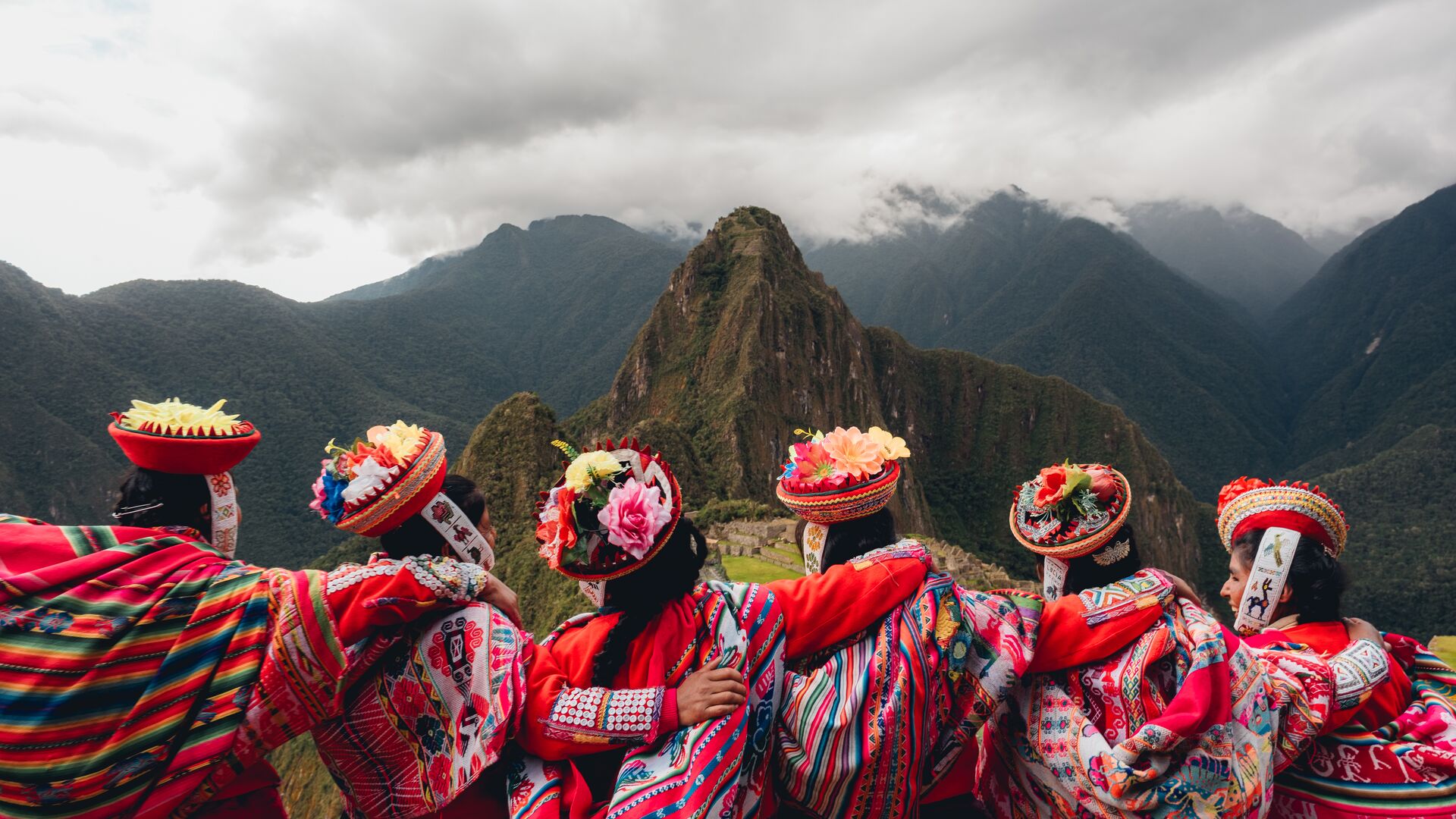
Machu Picchu is one of the most iconic UNESCO World Heritage Sites, representing a fusion of cultural and natural values. Built by the Inca Empire in the 15th century, it stands high in the Andes Mountains, blending with stunning landscapes of peaks and valleys.
The site demonstrates extraordinary architectural achievement, using stone-cutting techniques that remain a mystery to modern engineers. Beyond its cultural richness, the site is a sanctuary for unique Andean flora and fauna. Machu Picchu exemplifies how human civilization and natural ecosystems can coexist harmoniously.
Great Barrier Reef, Australia
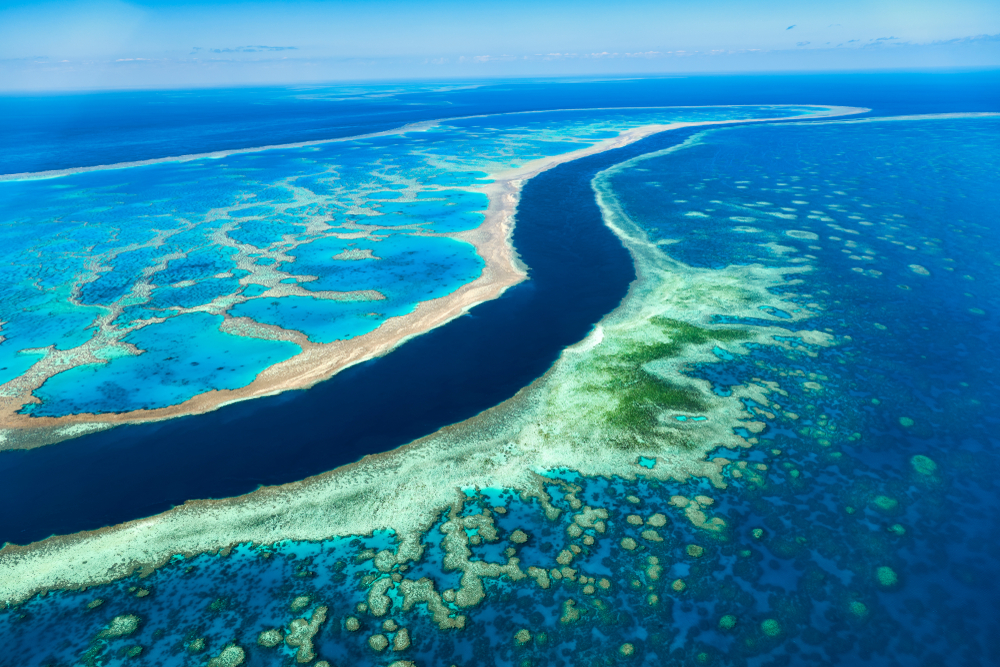
As the world’s largest coral reef system, the Great Barrier Reef is a natural UNESCO World Heritage Site of immense importance. Spanning over 2,300 kilometers, it supports thousands of marine species, including turtles, sharks, and vibrant corals.
Its ecological significance extends beyond biodiversity; it acts as a natural defense against storms and contributes to global carbon absorption. However, climate change, ocean acidification, and pollution threaten its survival, making UNESCO protection critical.
Angkor, Cambodia
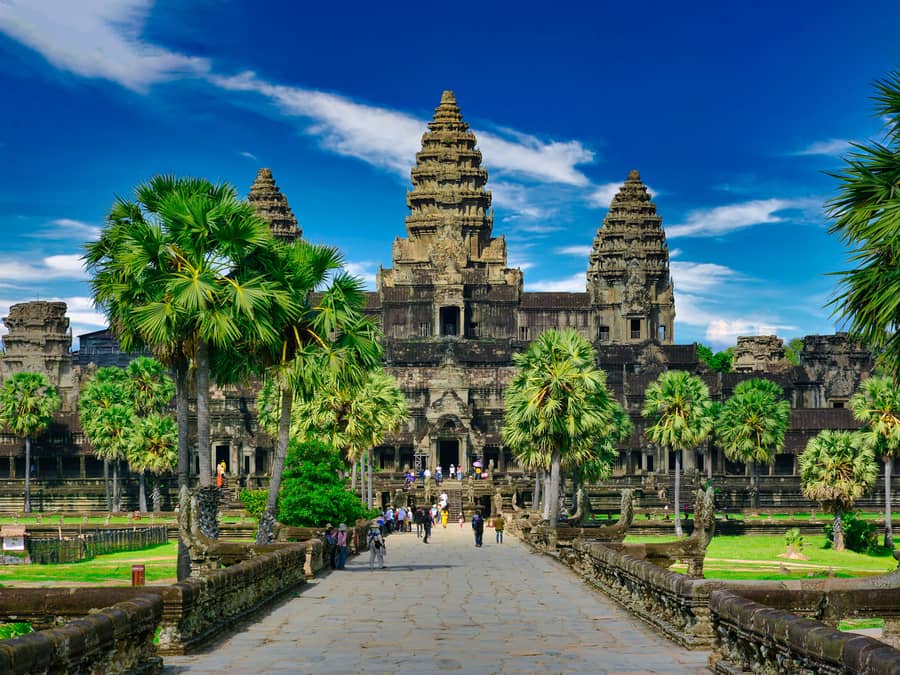
The temple complex of Angkor, featuring the famous Angkor Wat, reflects the height of the Khmer Empire’s architectural and artistic achievements. Recognized as a cultural UNESCO site, Angkor showcases intricate carvings, temple towers, and massive stone structures that highlight spiritual devotion and human creativity.
For Cambodia, Angkor is not just a historic site but also a cultural symbol and source of national pride. Its preservation ensures that future generations can learn about Southeast Asia’s ancient civilizations.
Yellowstone National Park, United States
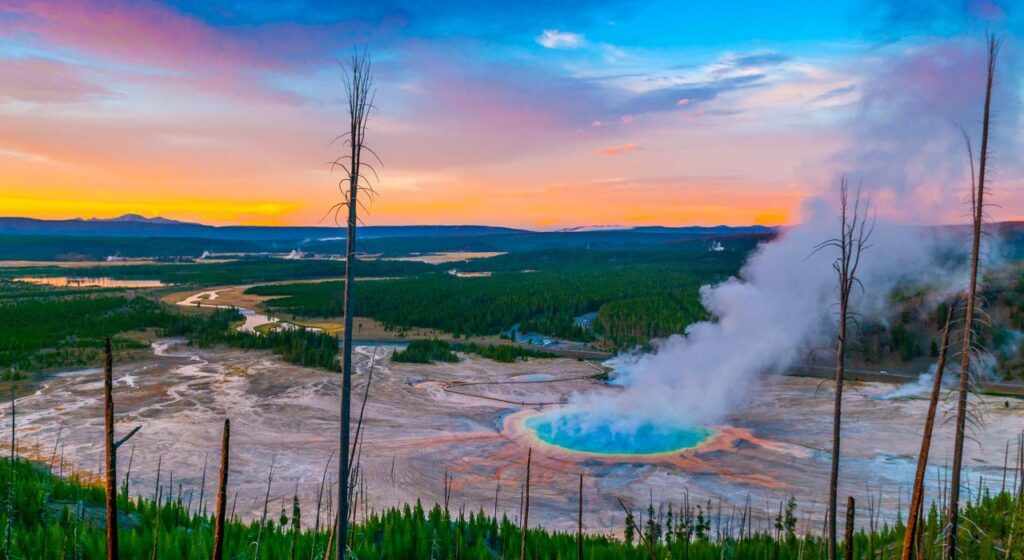
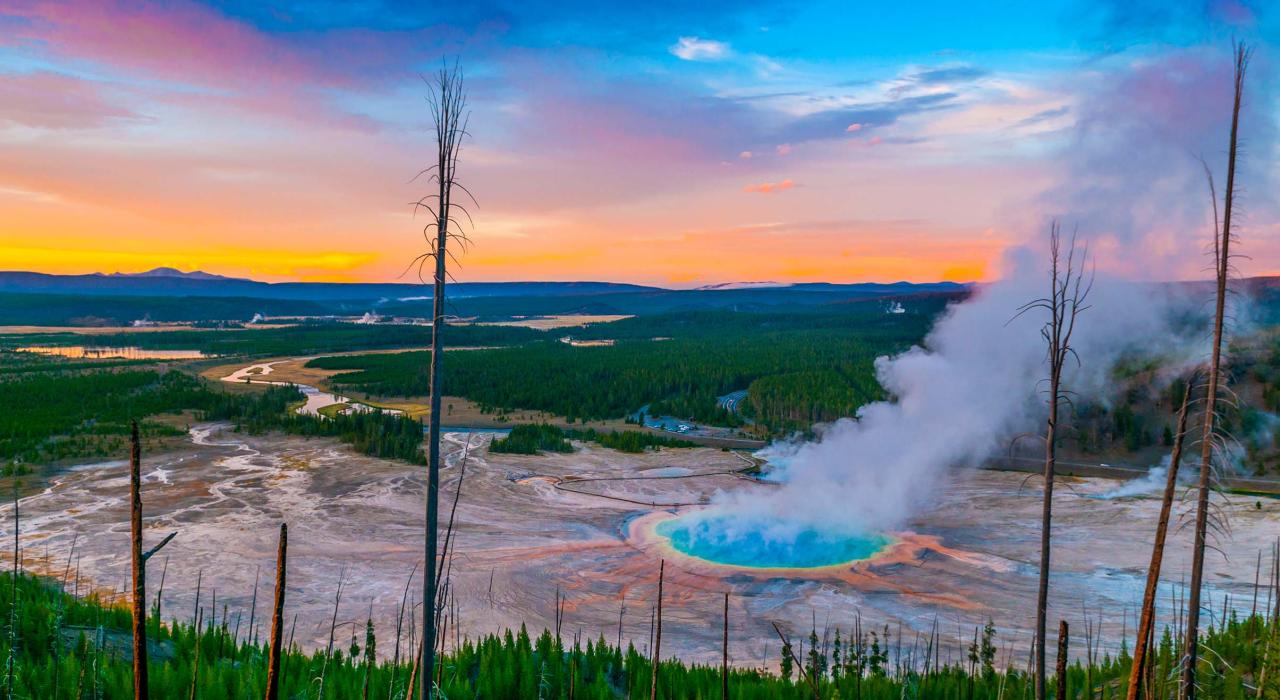
Yellowstone, the first national park in the world, was inscribed as a UNESCO World Heritage Site due to its geothermal wonders, wildlife, and natural landscapes. Geysers like Old Faithful and unique ecosystems attract millions of visitors annually.
Beyond tourism, Yellowstone is a vital center for environmental research. It protects diverse species such as grizzly bears, bison, and wolves, serving as a model for global conservation strategies.
Historic Centre of Florence, Italy
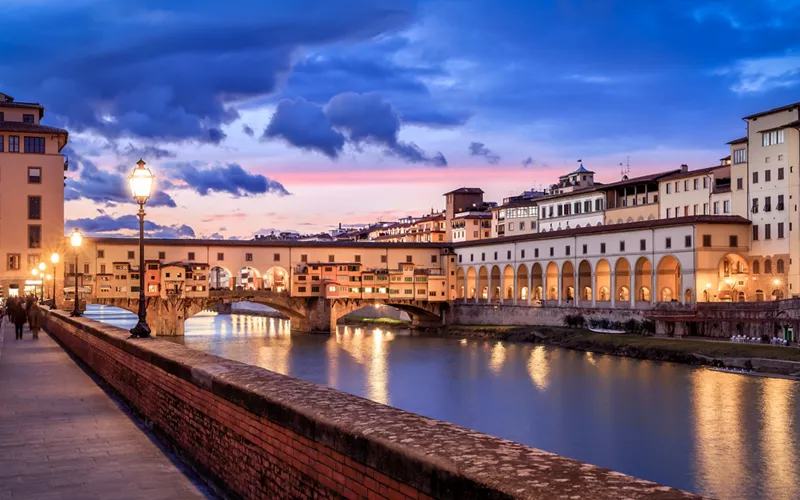
Florence is synonymous with the Renaissance, and its historic center represents cultural heritage at its finest. From the Cathedral of Santa Maria del Fiore to the Uffizi Gallery, Florence embodies artistic genius, architecture, and innovation.
As a UNESCO site, Florence demonstrates the importance of protecting cultural achievements that influenced global art, literature, and philosophy. Walking through its cobblestone streets is like stepping into history itself.
Benefits of Preserving UNESCO Sites with Technology
Modern technology plays a vital role in preserving UNESCO World Heritage Sites.
Digital mapping, 3D scanning, and satellite monitoring help document and protect sites against natural disasters, urban development, and climate change. For example, laser scanning of Angkor Wat enables precise restoration efforts while minimizing human interference.
Technology also improves accessibility. Virtual reality tours allow people worldwide to experience UNESCO sites without physical travel. This not only promotes global education but also reduces visitor pressure on fragile locations.
Additionally, data analytics and artificial intelligence provide insights into environmental changes, helping policymakers design better conservation strategies. The integration of technology ensures that all UNESCO sites are preserved efficiently and sustainably.
Use Cases: How UNESCO Sites Solve Real-World Challenges
UNESCO sites address global challenges in ways that go beyond preservation.
- Climate Change Awareness: Sites like the Great Barrier Reef highlight the urgency of addressing global warming, influencing international climate policy.
- Cultural Reconciliation: Shared heritage sites foster dialogue and peace between nations with historical conflicts.
- Local Development: Communities around heritage sites benefit from sustainable tourism, generating jobs while preserving traditions.
- Biodiversity Research: Natural sites serve as living laboratories, offering invaluable data for scientists studying ecosystems and species protection.
By safeguarding all UNESCO sites, humanity ensures that solutions to global problems remain accessible and impactful.
Frequently Asked Questions
1. How many UNESCO World Heritage Sites are there today?
As of 2025, there are more than 1,100 UNESCO World Heritage Sites worldwide, covering cultural, natural, and mixed categories across over 160 countries.
2. Can a site lose its UNESCO World Heritage status?
Yes. If a site is poorly managed, excessively damaged, or loses the qualities that earned its inscription, UNESCO can remove it from the list. The Dresden Elbe Valley in Germany is one example that lost its status.
3. Why should people care about UNESCO sites?
UNESCO sites are shared treasures of humanity. They preserve cultural identity, protect biodiversity, promote global education, and address challenges like climate change. Their conservation benefits both local communities and future generations.