All the World Heritage Sites: Complete Guide and Insights into Global Treasures
World Heritage Sites are landmarks or areas selected by UNESCO for their outstanding cultural, natural, or historical significance to humanity. These sites represent the legacy of civilizations, nature’s wonders, and shared human values. They include ancient ruins, historic towns, natural landscapes, and mixed properties that demonstrate the harmony of people and environment.
The UNESCO World Heritage List was created in 1972 to safeguard cultural and natural sites deemed to have “outstanding universal value.” Today, the list contains over 1,000 sites across more than 160 countries. These sites are not just tourist attractions but vital records of human history and ecological diversity.
The Importance of Recognizing All the World Heritage Sites
Preserving all the world heritage sites is essential for passing down the richness of human culture and natural wonders to future generations. Each site provides insights into traditions, architectural achievements, and biodiversity. From ancient temples to vast national parks, these sites tell stories of our collective past.
Beyond their symbolic value, they also foster cultural exchange, environmental conservation, and economic benefits through sustainable tourism. By studying these sites, societies gain a deeper appreciation of both cultural diversity and the planet’s ecological balance.
Categories of World Heritage Sites

World Heritage Sites are grouped into three categories:
- Cultural Sites: Monuments, cities, and landscapes that carry historical, artistic, or cultural importance, such as the Pyramids of Egypt or the Taj Mahal in India.
- Natural Sites: Protected areas that highlight biodiversity, geology, and natural beauty, such as the Galápagos Islands or Yellowstone National Park.
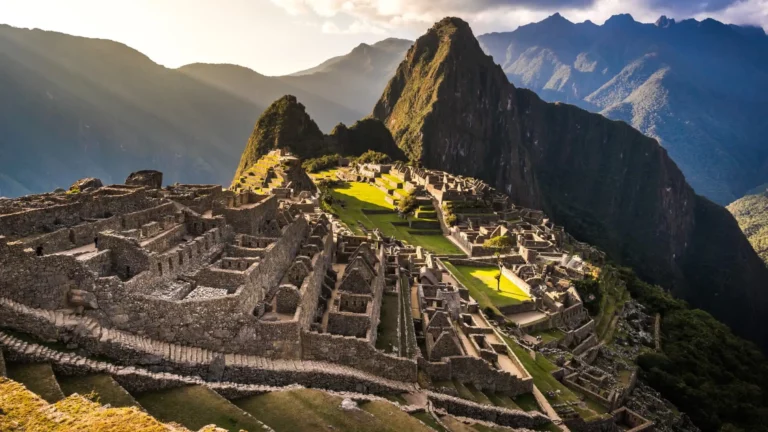
- Mixed Sites: Places that combine cultural and natural significance, like Machu Picchu in Peru.
Each category ensures that humanity’s diverse expressions and ecosystems are safeguarded against neglect or destruction.
Real-World Examples of UNESCO World Heritage Sites
The Great Wall of China (Cultural Heritage)

The Great Wall of China stretches over 21,000 kilometers and is one of the most iconic structures in human history. Built between the 7th century BC and the 17th century, it served as a defense against invasions and also symbolized China’s strength and unity.
As a UNESCO World Heritage Site since 1987, the Great Wall represents centuries of engineering and cultural achievement. Beyond its historical role, it is a living testimony to the cultural identity of the Chinese people and attracts millions of visitors annually.
Machu Picchu, Peru (Mixed Heritage)
Machu Picchu is a 15th-century Inca citadel located high in the Andes Mountains. It embodies both cultural and natural heritage as it showcases Incan architectural brilliance while being set in an extraordinary natural environment.
Discovered in 1911, it is now one of the most visited archaeological sites in the world. Its preservation highlights the challenges of balancing tourism with conservation. Machu Picchu’s recognition as a World Heritage Site in 1983 ensures ongoing protection for both its ruins and the surrounding ecosystem.
The Galápagos Islands, Ecuador (Natural Heritage)
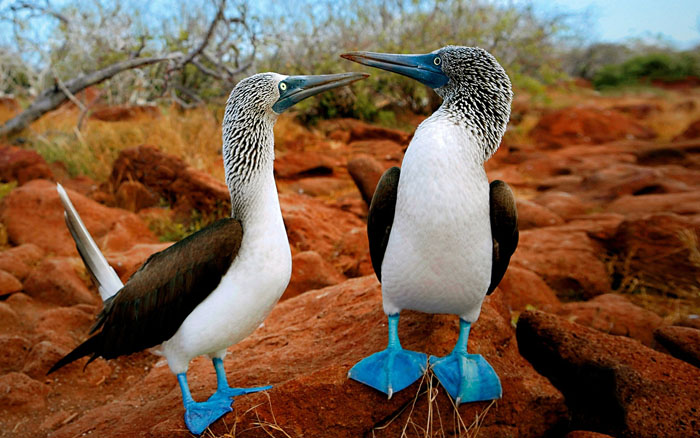
The Galápagos Islands are world-famous for their unique biodiversity and their role in shaping Charles Darwin’s theory of evolution. Located in the Pacific Ocean, they harbor species found nowhere else on earth.
Recognized as a World Heritage Site in 1978, the islands are an example of how natural wonders can inform scientific discovery. Strict conservation policies are in place to protect their fragile ecosystems from over-tourism and invasive species.
Petra, Jordan (Cultural Heritage)
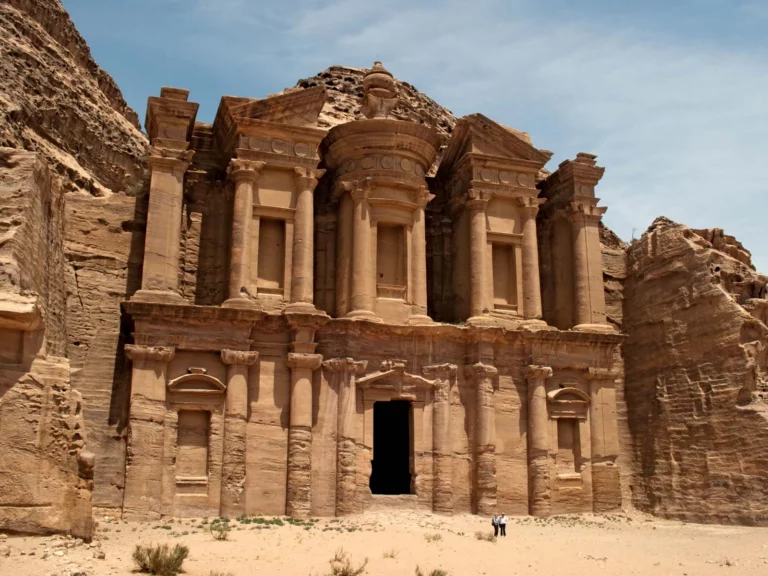
Petra, often called the “Rose City,” is an ancient Nabatean city carved into red sandstone cliffs. Known for its monumental architecture, like Al-Khazneh (The Treasury), it was a major trading hub over 2,000 years ago.
Designated a World Heritage Site in 1985, Petra reflects the ingenuity of ancient civilizations in adapting to harsh desert environments. It remains a symbol of cultural fusion, blending Greco-Roman, Egyptian, and Mesopotamian influences.
Serengeti National Park, Tanzania (Natural Heritage)

The Serengeti National Park is renowned for its annual migration of over 1.5 million wildebeest and hundreds of thousands of zebras. Covering vast savannahs, the park showcases the interconnectedness of ecosystems.
Listed as a World Heritage Site in 1981, the Serengeti represents the importance of conserving natural habitats for global biodiversity. It also supports local communities through sustainable tourism initiatives.
How Technology Helps Preserve All the World Heritage Sites
Technology plays a crucial role in safeguarding world heritage sites. Digital mapping, satellite imagery, and 3D modeling are used to monitor site conditions and assess risks from climate change, natural disasters, or human interference.
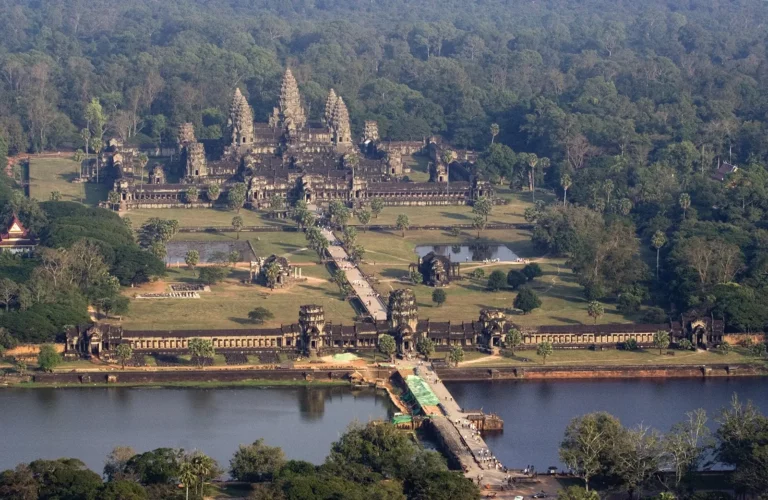
For instance, laser scanning of structures like Angkor Wat allows experts to create precise digital replicas that aid in restoration. Drones help monitor deforestation in protected natural sites, while virtual reality platforms make these sites accessible to people worldwide without physical strain on the locations.
Technology also enables collaborative global databases that share research, ensuring that preservation strategies are continuously improved and adapted to new challenges.
Benefits of Preserving All the World Heritage Sites
Preserving heritage sites benefits both humanity and the environment. Culturally, they maintain traditions, foster identity, and encourage mutual understanding among nations. They serve as “living classrooms” where people can study architecture, archaeology, and anthropology.
Environmentally, natural sites contribute to biodiversity conservation and climate regulation. Economically, heritage sites drive sustainable tourism, providing jobs and development opportunities for local communities. Socially, they strengthen a sense of shared responsibility across borders.
Use Cases of World Heritage Sites in Real Life
World Heritage Sites solve practical challenges in unique ways:
- Education and Research: Universities conduct studies on ancient engineering techniques, biodiversity, and cultural anthropology at these sites.
- Cultural Diplomacy: Countries use heritage sites to foster international goodwill and cooperation.
- Tourism Management: Sites like the Galápagos or Machu Picchu test sustainable tourism models that can be replicated elsewhere.
- Disaster Preparedness: Lessons from protecting sites against earthquakes, floods, or erosion inform broader disaster resilience strategies.
These use cases show why all the world heritage sites are vital for shaping future societies and promoting sustainability.
Frequently Asked Questions
What qualifies a location to become a World Heritage Site?
A site must have outstanding universal value, meeting at least one of UNESCO’s ten criteria, which range from representing human creative genius to showcasing exceptional natural phenomena.
How many World Heritage Sites exist today?
As of now, there are more than 1,150 sites across 167 countries, and the list continues to grow as new sites are nominated and evaluated annually.
What threats do World Heritage Sites face?
Major threats include climate change, urbanization, deforestation, mass tourism, armed conflict, and natural disasters. UNESCO works with governments and communities to address these risks through conservation strategies.